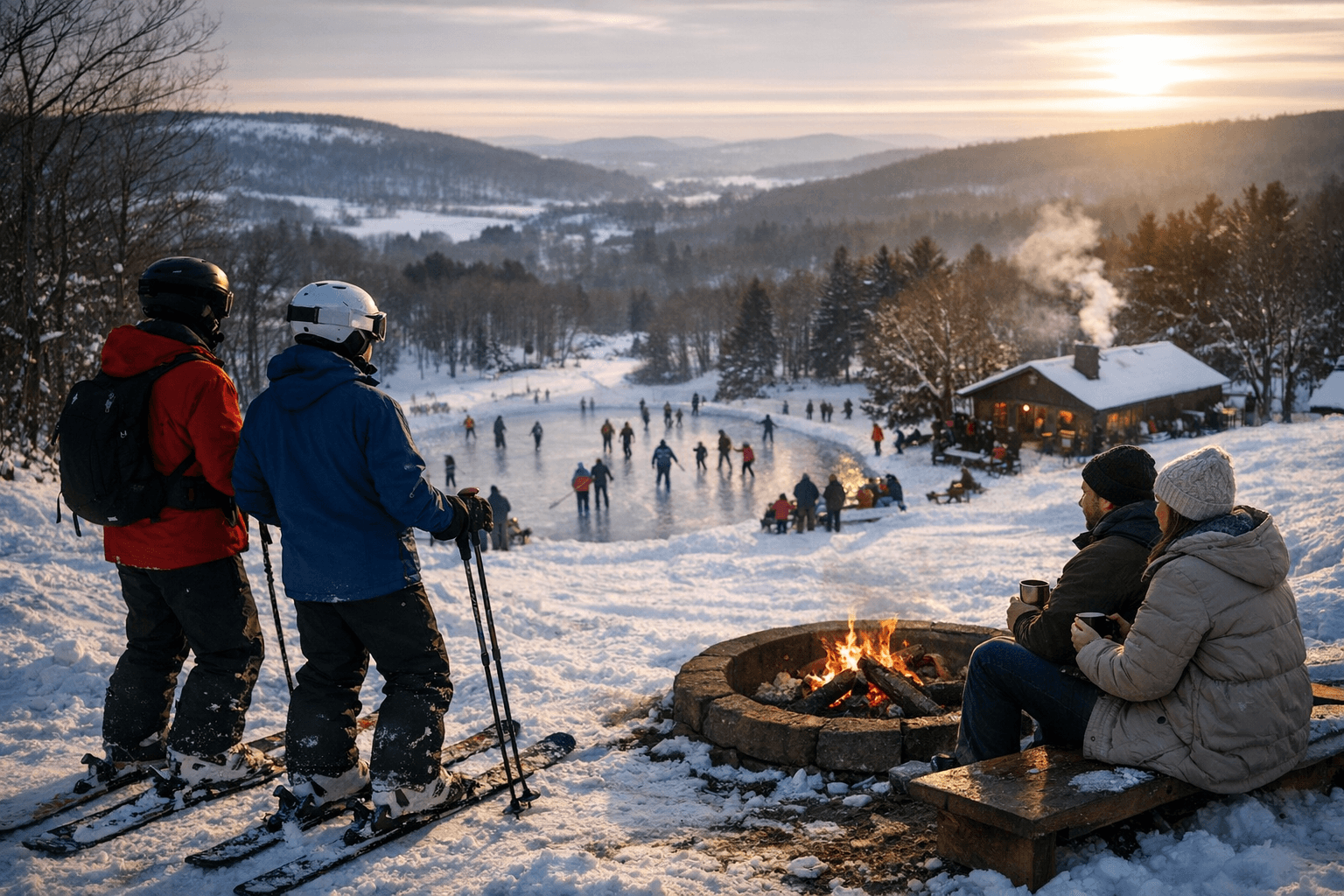
Guide to Orange County winter trails, parks, and active transport
Find local winter walks, snowshoe routes, and year‑round hikes across Orange County, plus planning tips, accessibility info, and where to check trail conditions.

1. Harriman and Bear Mountain State Parks Harriman and Bear Mountain, just south of Orange County, offer extensive trail networks and scenic overlooks that work well for day trips and family outings.
Many trailheads are accessible for hikers of varying abilities, with well‑marked routes, picnic areas and viewpoints that reward modest effort. In winter, cleared paths and lower‑elevation loop trails are often safer for short walks while steeper routes can require traction devices or snowshoes; plan your route based on current conditions.
2. Schunnemunk State Park and nearby ridgelines Schunnemunk State Park and its neighboring ridgelines provide panoramic views and more challenging hiking options for experienced walkers and ridge runners.
The terrain includes long climbs and exposed rock, so in snow or ice you should expect slower progress and the need for winter gear like microspikes or snowshoes. These ridgelines are important community assets for recreation and mental health, offering a place to get strenuous exercise close to home.
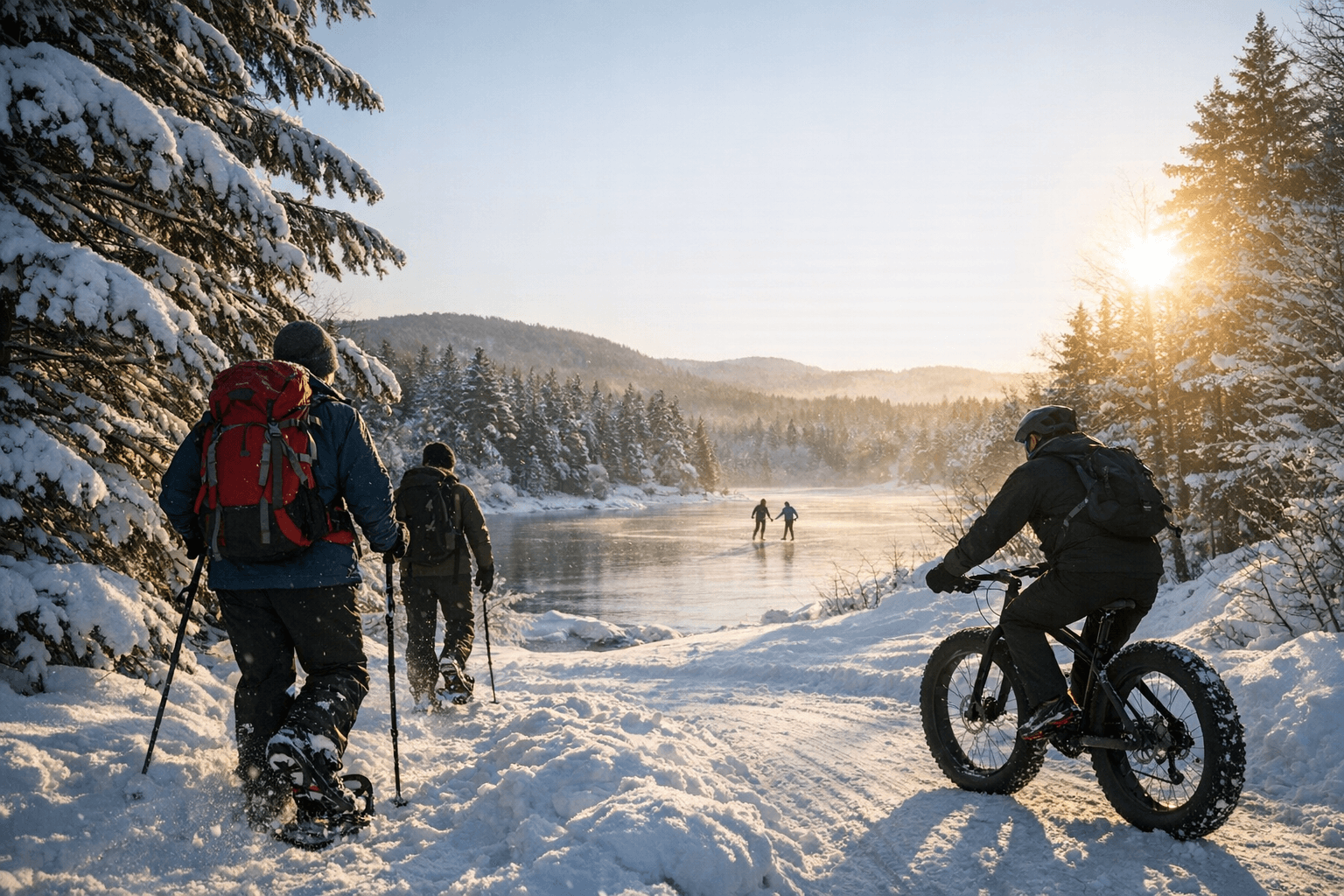
3. Orange Heritage Trailway The Orange Heritage Trailway is a multi‑use, paved corridor that links communities across the county and is designed for walking, biking and rolling access.
As a converted rail corridor, it serves active‑transport needs by connecting neighborhoods, business districts and parks, making short trips by foot or bike a realistic option for many residents. Promoted for health equity and local access, the trailway reduces transportation barriers and supports routine physical activity for people who can’t easily reach green space by car.
4. County development of multi‑use trail connections along former rail corridors Orange County is developing multi‑use trail connections that repurpose former rail corridors to expand active‑transport options beyond the Heritage Trailway.
These projects aim to create continuous, safer routes for commuting, recreation and school trips, which can reduce car dependency and improve air quality. From a public‑health perspective, investment in these corridors has downstream benefits: more people using active transport translates to increased daily physical activity and potential reductions in chronic disease burden.
5. Municipal parks and local trail systems in Goshen, Newburgh, Middletown, Port Jervis and Monroe Municipal parks in Goshen, Newburgh, Middletown, Port Jervis and Monroe offer easier loops, playgrounds and winter‑season programming tailored to families and casual walkers.
These sites are often closest to residents and provide critical first‑step access to outdoor activity, especially for households without private transportation. Check municipal park pages for scheduled programs—many towns offer guided winter walks or family events that lower the barrier to getting outside.
6. Real‑time trail conditions, parking maps and seasonal events (municipal and county resources) Before heading out, check local municipal or county park pages and the county tourism portal for up‑to‑date trail advisories, parking maps, and seasonal events.
Real‑time information can include closures, avalanche or ice advisories, parking limits, and any permitted‑use rules that affect dogs, bikes or winter equipment. PickOCNY (pickocny.com) is a centralized resource the county promotes for current trail advisories, maps, accessibility details and seasonal programming—bookmark it before you go.
7. Planning, safety and equipment for winter walks and snowshoeing
Plan your outing with weather, daylight and group ability in mind; winter hikes take longer and require layering, waterproof footwear and a means to add traction (microspikes, crampons) or snow travel (snowshoes) as conditions demand. Carry water, snacks, a headlamp, and a small first‑aid kit; cellphone reception can be spotty on ridgelines, so tell someone your route and expected return. • Check parking rules and permitted uses for the specific trailhead. • Start with shorter loops if you’re new to cold‑weather hiking and join guided walks when available.
8. Public health, equity and community impact Access to trails and parks is more than recreation; it’s a social determinant of health that shapes physical activity, mental well‑being and social cohesion.
Expanding multi‑use trail connections and promoting the Orange Heritage Trailway for health equity can reduce travel barriers for low‑income residents and families without cars, and can broaden access to preventive health benefits. From a policy standpoint, sustained funding for maintenance, safety signage, ADA compliance and transit links to trailheads will determine whether these outdoor assets serve everyone in the county equitably.
9. How local residents can get involved and advocate You can support trail equity and maintenance by joining volunteer stewardship days, reporting trail issues to municipal parks departments, and participating in public meetings about trail planning.
Advocating for funding that prioritizes safe active‑transport links between neighborhoods, schools and commercial corridors helps shift policy toward community health outcomes. Small actions—helping clear a park entrance, donating to a trail fund, or bringing neighbors to a guided walk—have cumulative benefits for public health and local resilience.
Our two cents? Treat Orange County’s trails like a neighborhood clinic for your whole body: routine visits matter. Check PickOCNY and municipal pages before you go, start with local loops if you’re new to winter hiking, and advocate for safe, accessible trail connections so everyone in our community can get outside.
Know something we missed? Have a correction or additional information?
Submit a Tip