Guilford drivers warned on six costly truck-crash mistakes
A Jan. 13 advisory lists common post-truck-crash errors and how to avoid them. Quick evidence preservation and measured communication can cut legal risk and long-term costs for Guilford drivers.

On Jan. 13 an advisory highlighted six common mistakes drivers and fleet operators make after truck crashes—errors that can turn a single roadside incident into prolonged legal and financial pain for Guilford County residents and businesses. Preserving digital evidence, acting quickly on testing, and limiting early statements were among the top cautions aimed at reducing liability and claim costs.
The advisory singled out failure to collect dashcam and electronic logging device data as a leading problem. Dashcams and ELDs record driving behavior, speeds, and road conditions; losing that data through delay or overwriting can remove the most objective evidence in a case. Promptly securing devices and copies of recordings protects drivers and carriers from disputed accounts later in the process.
Another key warning was delaying drug and alcohol testing. The advisory noted that testing done promptly preserves evidence and prevents challenges about late or contaminated samples. At the same time, drivers and carriers were urged to limit early interactions with injured parties and insurers. Casual statements or improvised explanations given at the scene can be misinterpreted and used against parties later, so concise, factual incident reports are preferable to on-the-spot narratives.
The guidance also identified inadequate incident documentation and mishandling of physical evidence as recurring mistakes, and it flagged poor driver training as a driver of higher liability. Employers who lack documented, routine training programs face steeper claim costs and greater exposure when accidents occur. The advisory's practical takeaway: collect data, connect with legal counsel quickly, and be measured in communications after a crash.
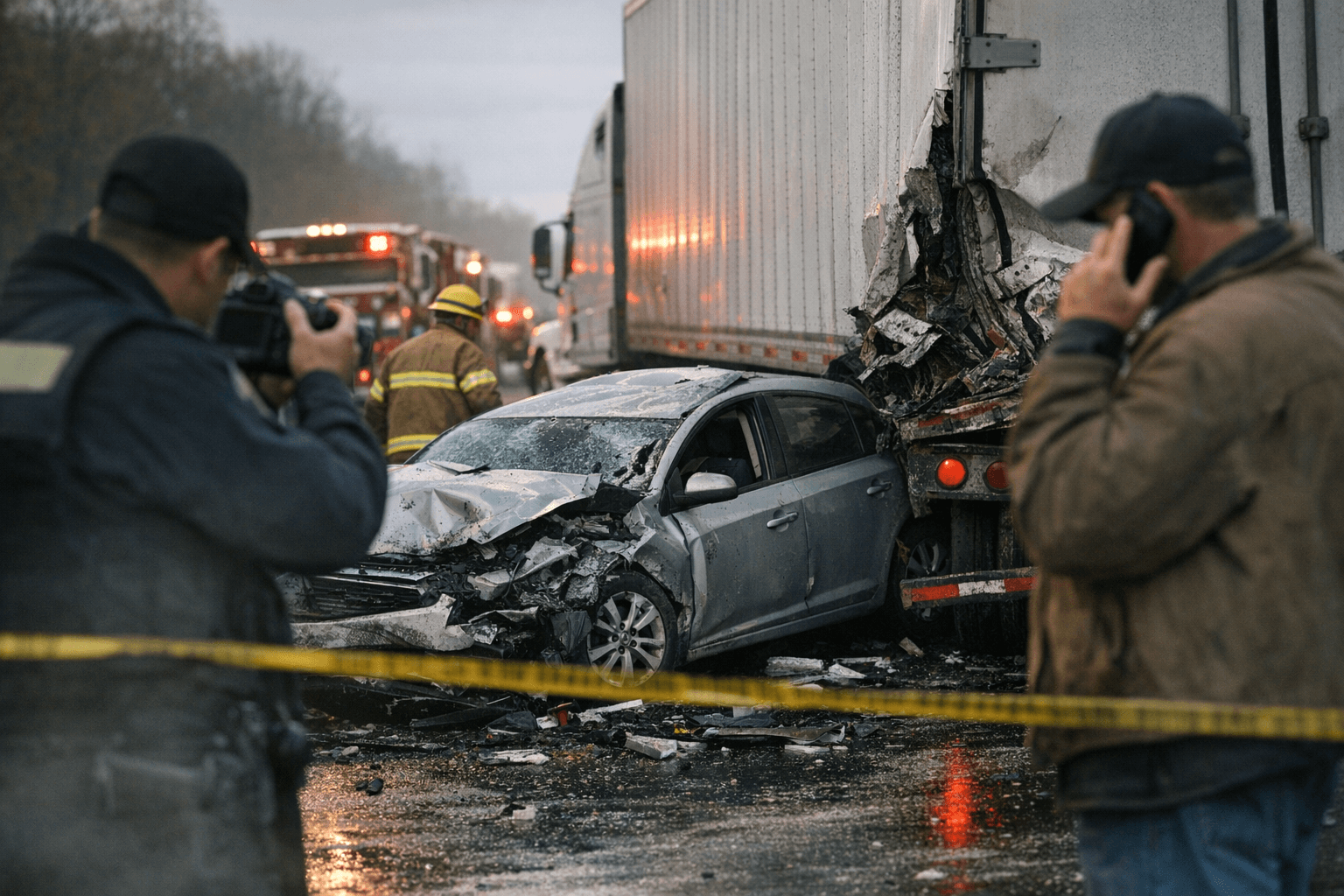
For Guilford County that matters in concrete ways. Interstate 40 and Interstate 85 corridors, along with local freight routes around Greensboro and High Point, carry heavy commercial traffic; an unclear or contested crash can disrupt deliveries, tie up lanes, and lead to higher insurance premiums for local carriers. For small businesses that rely on timely freight, longer claims and unresolved liability can mean inventory delays and added operating costs. For individual drivers, mishandled evidence can mean higher out-of-pocket costs and tougher legal outcomes.
From a policy and market perspective, the emphasis on digital evidence and training reflects broader trends in trucking regulation and insurance underwriting. Insurers and regulators increasingly expect documented compliance on hours, training, and post-crash procedures; fleets that adopt robust evidence-preservation practices are likely to face fewer disputes and lower long-term claim costs.
The takeaway? Treat the first minutes after a truck crash as critical: secure dashcam and ELD files, arrange prompt testing when required, document the scene carefully, and talk to legal counsel before offering explanations. Our two cents? A calm, documented response at the roadside can save Guilford drivers and businesses from a much bigger headache down the road.
Sources:
Know something we missed? Have a correction or additional information?
Submit a Tip