Sweepstakes casinos grow in Triad, testing North Carolina rules
Sweepstakes-style online casinos have grown in the Triad, operating under sweepstakes law rather than gambling statutes. Residents should know how they work and how to limit risks.
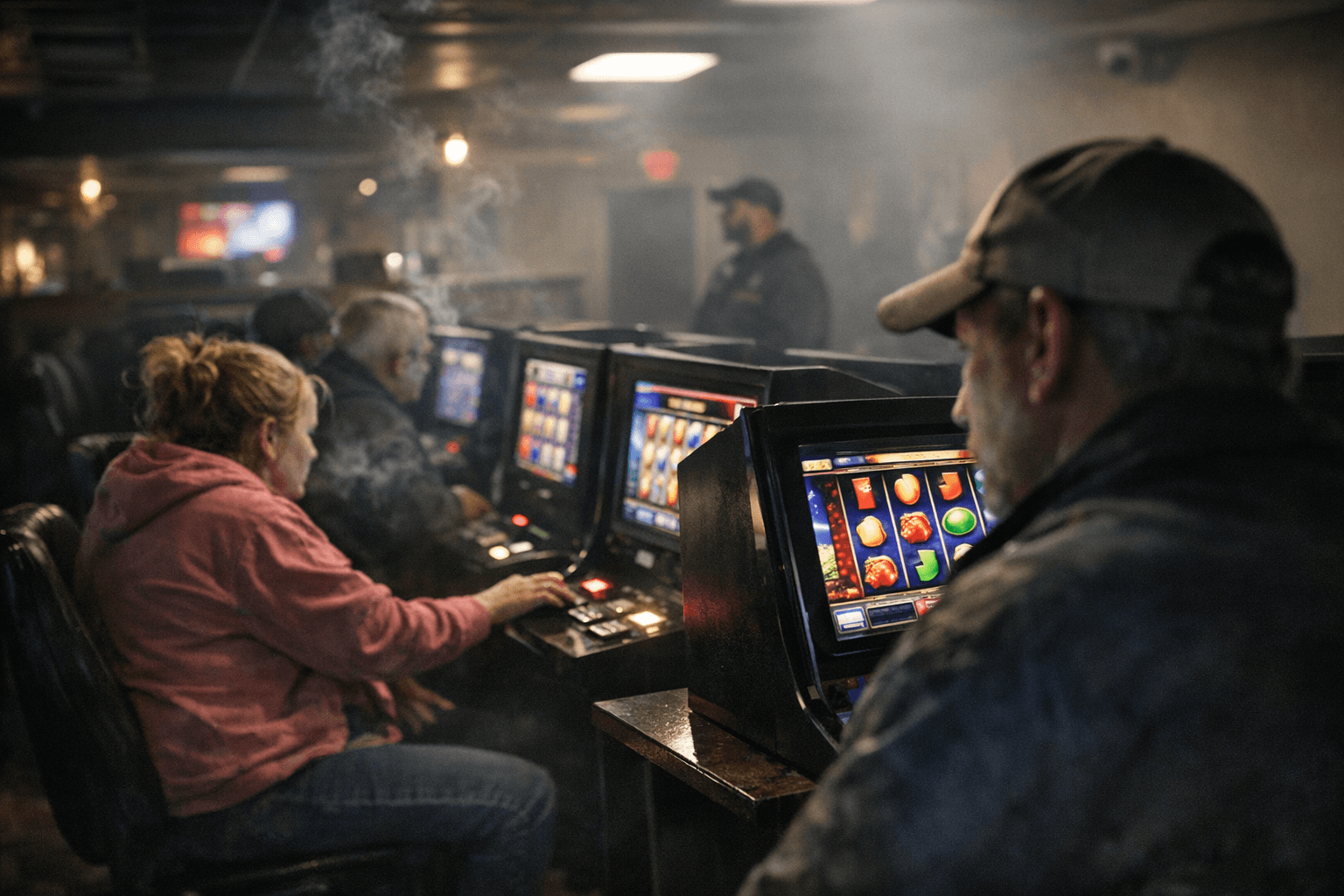
Sweepstakes-style online casinos have quietly become popular among Triad residents, offering slot and table-game experiences that mimic casino floors while avoiding North Carolina’s strict gambling regulations. The platforms operate under sweepstakes law instead of state gambling statutes, a legal distinction that allows them to offer games without the licenses required of traditional online casinos.
North Carolina still permits only the state lottery and tribal casinos such as Harrah’s Cherokee for sanctioned gambling; sports betting and commercial casinos outside tribal lands remain illegal. Sweepstakes casinos sidestep that framework by using two virtual currencies. Gold Coins are sold for entertainment and have no cash value. Sweeps Coins are distributed through mail-in requests, daily bonuses, or social media promotions and can sometimes be redeemed for prizes or cash depending on platform rules. Purchasing Gold Coin packages often includes bonus Sweeps Coins; those packages typically range from a few dollars to $100 or more.
The product looks familiar. Libraries of slot machines span dozens to thousands of titles with themes from mythology to branded entertainment, and many platforms offer table games such as blackjack, roulette, baccarat, and poker variants. Some sites add live dealer options, streaming real dealers to players’ screens to replicate the casino floor. For Triad players, the experience can feel like a visit to Harrah’s Cherokee or an onboard cruise casino without leaving town.
Local adoption has been driven largely by word of mouth. Conversations at cookouts in Summerfield, links shared among coworkers in downtown Winston-Salem, and social networks have steered many residents toward these sites more than traditional advertising. Independent trackers such as Sweepsy evaluate platforms on game selection, payout reliability, customer service responsiveness, and trustworthiness to help consumers compare options.
Economically, the model changes the consumer-decision calculus. Most platforms permit entirely free play through daily login bonuses and giveaways, allowing indefinite entertainment with no outlay. But optional purchases are built into the experience; those spending decisions can add up quickly and resemble buying arcade tokens more than placing regulated bets. That distinction matters legally but less so for individuals who spend significant sums for the chance at cash prizes.
Consumer protections vary across platforms. Reputable operators include session time limits, purchase caps, and self-exclusion tools. The North Carolina Problem Gambling Program offers a helpline and statewide support services for anyone concerned about their relationship with gaming.
Policy watchers say sweepstakes casinos are likely to remain accessible unless the legislature specifically targets them. Debates over sports betting and commercial casinos continue at the state level, and any regulatory changes could shift where and how residents spend entertainment dollars.
Our two cents? Treat sweepstakes platforms like any paid entertainment: set time and spending limits, use built-in controls, check platform reviews for payout and service records, and call the NC Problem Gambling Program if play becomes a worry. Being cautious keeps the fun from becoming a costly habit.
Sources:
Know something we missed? Have a correction or additional information?
Submit a Tip