Guterres Calls for Restraint as U.S. Venezuela Tensions Rise
United Nations Secretary General António Guterres renewed a public appeal on Dec. 17 for immediate de escalation and restraint between the United States and the Bolivarian Republic of Venezuela. The U.N. has underscored the need for counter narcotics measures to comply with international law and offered its good offices to help prevent miscalculation and avert a wider regional crisis.

United Nations Secretary General António Guterres on Dec. 17 publicly renewed calls for restraint and immediate de escalation as tensions between the United States and the Bolivarian Republic of Venezuela have intensified. His appeal comes after months of private interventions recorded by the United Nations Department of Political and Peacebuilding Affairs which show sustained efforts by the U.N. Secretariat to defuse a dispute whose details remain partially opaque.
The DPPA timeline shows that Guterres, through his spokesperson, began urging both parties on Aug. 21 to de escalate and to exercise restraint. The statement notes a direct meeting on Aug. 29 when the Permanent Representative of the Bolivarian Republic of Venezuela met with the secretary general to convey concerns about what the DPPA text refers to as the deployment, a term left unspecified in public United Nations materials. Venezuela’s foreign minister reiterated similar concerns in a meeting with the secretary general in September. The DPPA statement emphasizes that the United Nations remains available to support constructive dialogue toward a peaceful resolution.
Beyond calls for calm, United Nations officials have framed their interventions in legal terms. The DPPA has stressed that measures taken to combat drug trafficking must be carried out in accordance with international law, explicitly including the United Nations Charter. That legal framing elevates the dispute from a bilateral disagreement to an issue with multilateral law implications, touching on state sovereignty, the law of the sea, and the use of force.
The public restatement by the secretary general risks drawing renewed international attention to a confrontation that has already strained relations across the Americas. For Caracas, the invocation of deployments near its territorial space conjures deep political sensitivities tied to sovereignty and national pride. For Washington, operations described as counter narcotics efforts are presented as a security necessity in a hemisphere where illicit trafficking fuels corruption and violence. Those differing priorities create the potential for miscalculation at sea or in the diplomatic arena unless clear communication and legal restraint prevail.
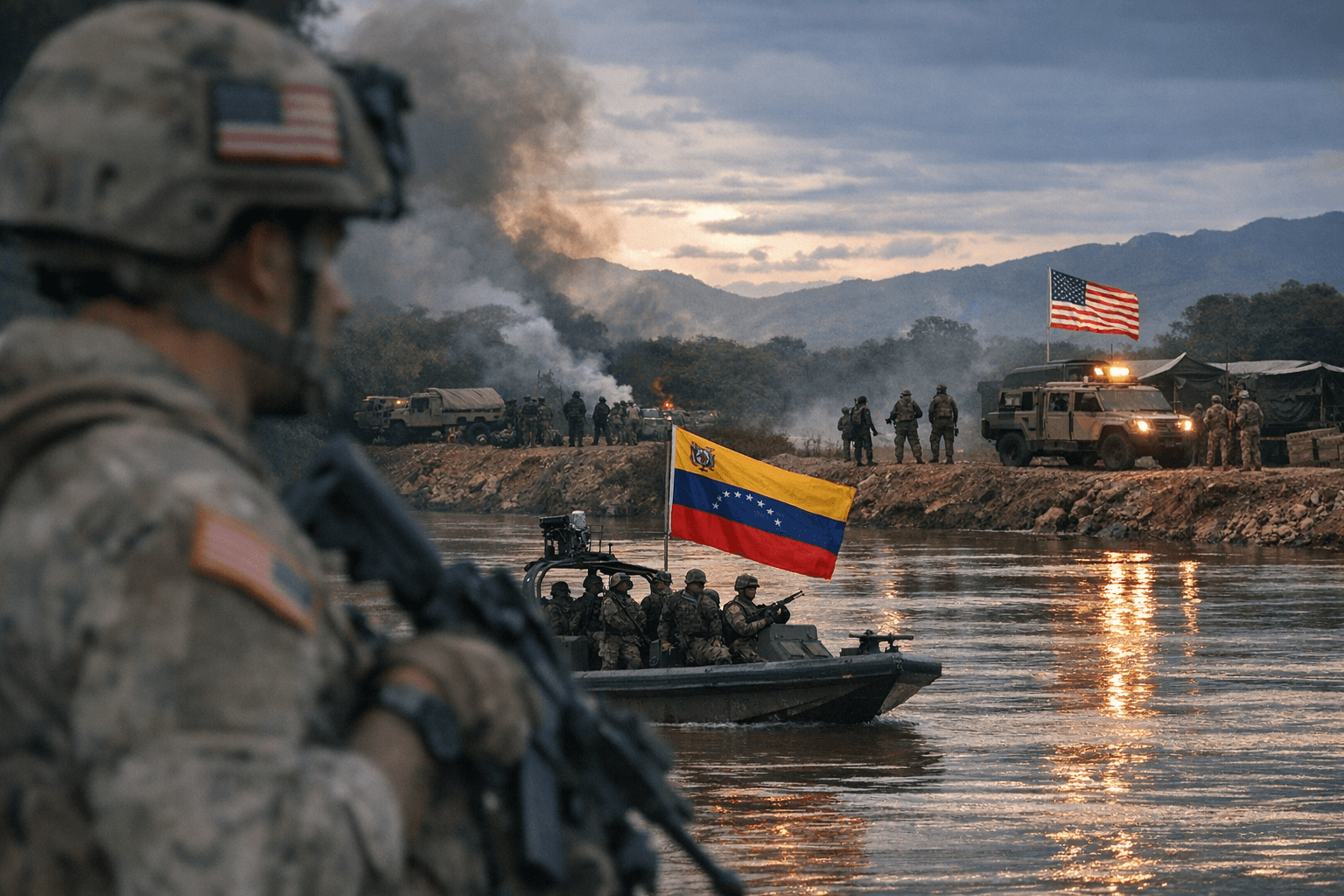
The lack of public detail about the deployment complicates diplomatic management. Transparency about operational intents, geographic scope, and legal authority is a basic confidence building measure that can reduce the risk of unintended incidents. The United Nations offer to assist dialogue provides a neutral channel for such clarifications, but success will depend on both capitals accepting a mediated process and avoiding escalatory rhetoric.
Regional capitals will be watching how Washington and Caracas respond to the secretary general’s appeal. Governments across Latin America and the Caribbean have varying degrees of sympathy for either side based on historical, ideological and security calculations. Any escalation could reverberate through trade routes, migration flows and existing multilateral mechanisms.
Guterres’s repeated entreaties underscore a simple diplomatic truth. When state actions touch on contested sovereignty and international law, the consequences can extend beyond the immediate actors. The path out of the current tension will require clear legal grounding, transparent communication, and sustained diplomacy to prevent a bilateral dispute from becoming a broader regional crisis.
Know something we missed? Have a correction or additional information?
Submit a Tip

