Guterres Condemns Drone Strike That Killed Six United Nations Peacekeepers
The United Nations secretary general condemned a drone strike on a U.N. logistics base in Kadugli that killed six Bangladeshi peacekeepers and wounded eight, calling the attack horrific and unjustifiable. The incident intensifies international concern about the safety of U.N. personnel in Sudan and raises questions about accountability under international law.
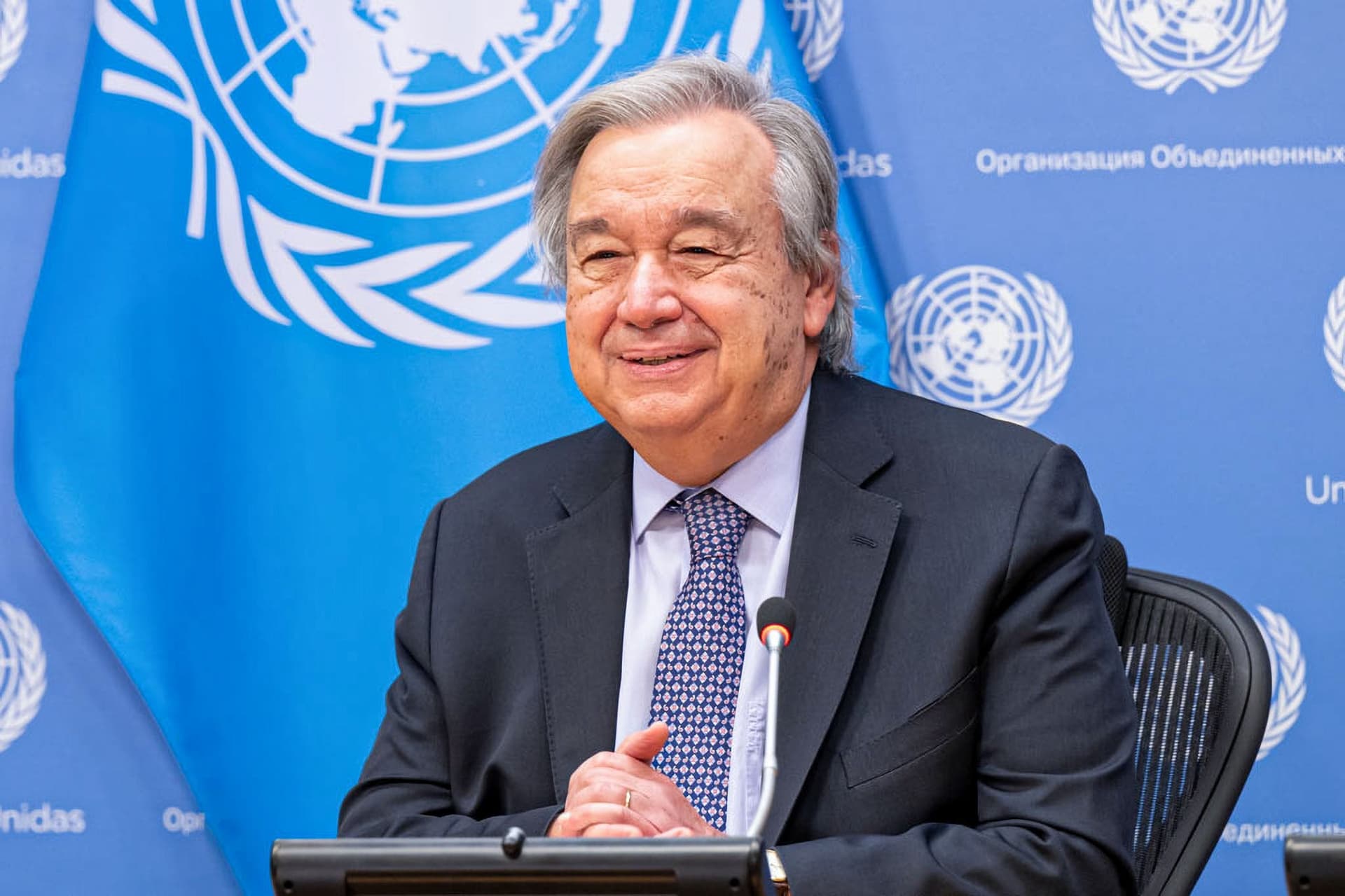
On Saturday December 13, 2025, a drone strike struck a United Nations peacekeeping logistics base in Kadugli, the capital of South Kordofan, killing six Bangladeshi peacekeepers and wounding eight others, the U.N. secretary general said in a statement. The dead and wounded were serving with the United Nations Interim Security Force for Abyei, known as UNISFA.
United Nations Secretary General António Guterres described the assault as “horrific” and “unjustifiable.” He added that he “strongly condemn[ed] the horrific drone attacks that targeted the United Nations peacekeeping logistics base in Kadugli, Sudan,” and warned that “attacks targeting United Nations peacekeepers may constitute war crimes under international law,” saying those responsible would need to be held to account.
The Sudanese army publicly blamed the strike on the Rapid Support Forces, the powerful paramilitary group that has been fighting the army for more than two years. There was no immediate comment from the Rapid Support Forces as of initial reporting. The attribution has not been independently verified by United Nations investigators, and the chaotic security environment in and around Kadugli complicates forensic and on the ground inquiries.
The attack marks one of the deadliest single incidents against U.N. personnel in Sudan since the eruption of large scale fighting between the army and the Rapid Support Forces. U.N. peacekeepers operate in Abyei and nearby areas as part of efforts to stabilize contested border zones and protect civilians, but the expanding use of remotely piloted systems in the conflict has increased risks to fixed U.N. installations and to convoys.
Beyond the immediate human toll for Bangladesh and the U.N., the strike carries broader diplomatic and legal implications. If an investigation confirms that the base was deliberately targeted, international law frameworks governing the protection of peacekeepers could trigger criminal accountability. The U.N. secretary general’s statement framed such attacks squarely within that legal context, signaling imminent pressure on parties to the conflict and on external backers to provide evidence or explanations.
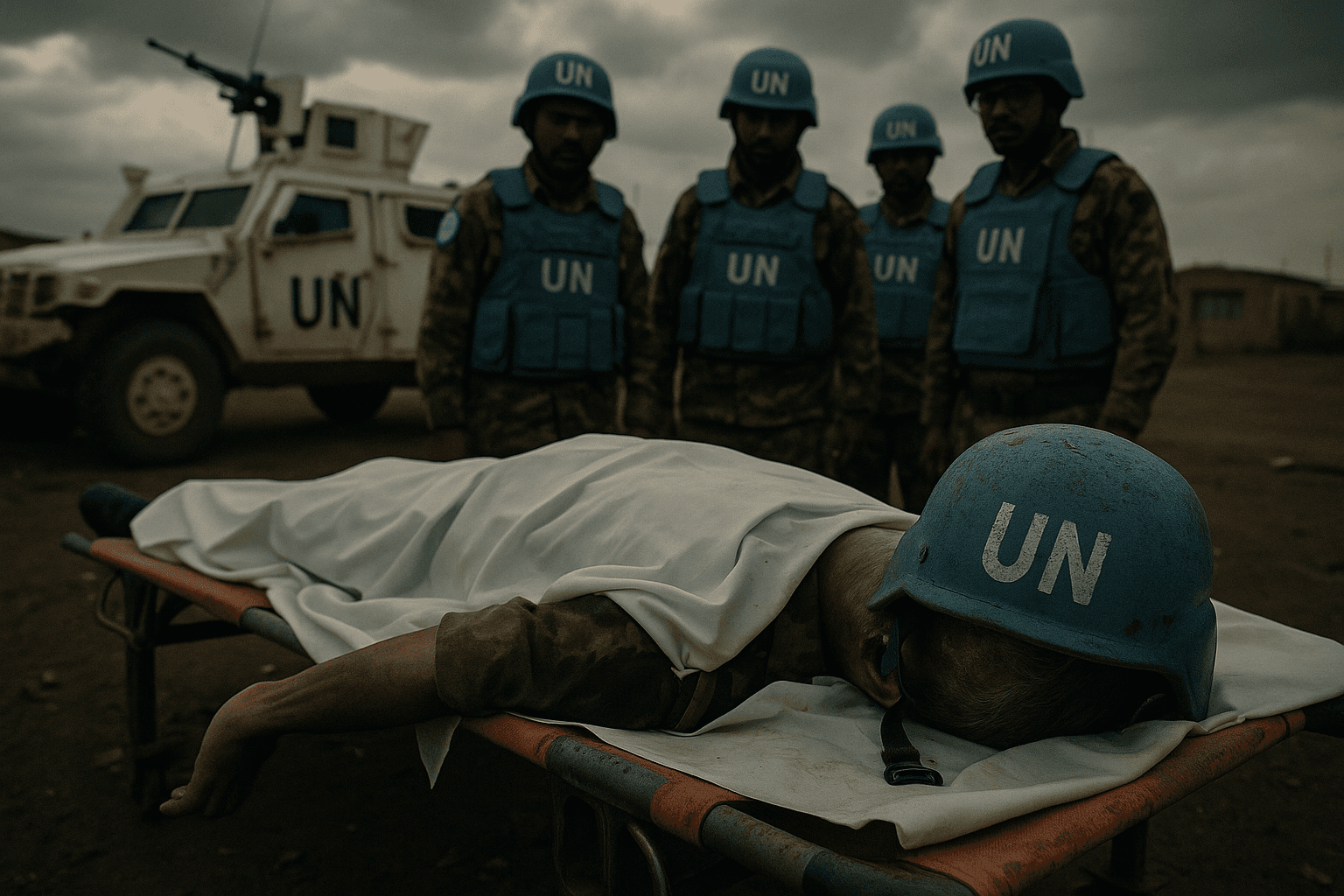
The death of six Bangladeshi service members will reverberate in Dhaka, where public sensitivity to casualties in overseas missions runs high. Bangladesh is one of the largest contributors of troops to United Nations peace operations, and any deterioration in force protection will affect troop morale and the calculus of troop contributing countries.
Humanitarian actors and diplomats warned that the strike could further restrict access for relief agencies in South Kordofan, already constrained by insecurity and administrative hurdles. Kadugli is a key aid hub for the region, and disruption to U.N. logistics could have immediate knock on effects for civilians dependent on food, medical and shelter assistance.
U.N. officials are expected to seek a formal investigation and to press for accountability while reviewing base protections and operational procedures. The attack underscores the perilous intersection of modern battlefield technologies and traditional peacekeeping mandates, complicating efforts to maintain neutrality and to protect civilians in a conflict that shows little sign of abating.
Know something we missed? Have a correction or additional information?
Submit a Tip

