Hernando County Considers Major Code Changes, Seeks Direction
County planning staff presented a suite of proposed amendments to the Hernando County Code of Ordinances at a December 12 land use meeting, as part of a larger review that could lead to a comprehensive rewrite. The proposals would affect permitting timelines, accessory structures, backyard fowl rules, conditional use procedures, and rural development standards, and they could reshape enforcement priorities and everyday life for residents.

Hernando County commissioners and planning staff spent the December 12 land use meeting reviewing a menu of proposed corrections and amendments to the County Code of Ordinances. The package is part of a broader code review that county officials said may culminate in a comprehensive rewrite. No final ordinances were adopted, instead commissioners used the session to vet ideas and give staff direction on next steps.
Staff highlighted several high impact changes. Planned Development Project master plans would remain vested but would be subject to nullification if inactive after five years rather than two years under current practice. Small accessory sheds under 120 square feet would no longer require a zoning permit, a change aimed at aligning county rules with Florida building code and reducing routine permitting work. Officials proposed allowing administrative approval in limited Conditional Use Permit scenarios, including temporary second residences granted for medical hardship and temporary security residences during construction.
Proposals affecting rural and residential life included raising the allowed number of backyard chickens from four to eight and adding ducks to the list of permissible domestic fowl, accompanied by new coop size, permitting, and noise considerations. The draft would remove certain special exception uses from agricultural residential districts, including some home occupation, bed and breakfast, and animal specialty uses, and would clarify tiny home guidelines and sidewalk requirements for rural zones. Staff also recommended revising landscape buffer categories and standards.
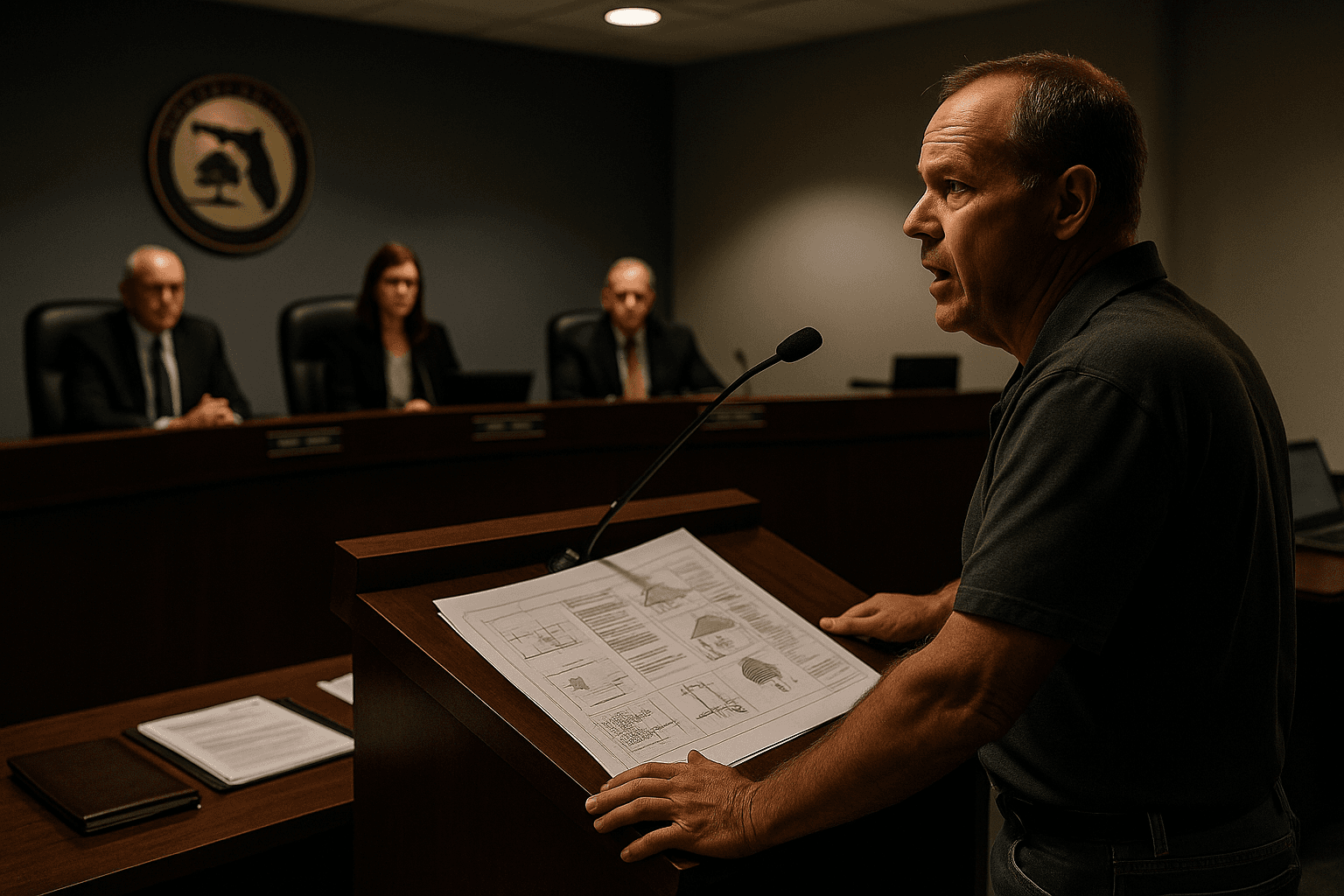
Commissioners debated the trade offs between code simplification and community impacts. Staff framed many items as steps to reduce enforcement workload and streamline compliance, while commissioners raised concerns about noise, neighborhood compatibility, and the capacity of code enforcement to monitor new allowances. Developers and property owners could see faster processing and clearer standards if changes proceed, while neighbors and rural residents may face altered expectations around animals, temporary residences, and buffers.
The county will move these concepts into drafting and public review, where further hearings and revisions are expected. Residents and stakeholders will have future opportunities to comment as the board considers any ordinance language that would formally change local zoning and permitting practice.
Sources:
Know something we missed? Have a correction or additional information?
Submit a Tip