Historic Union Pacific Rail Trail Boosts Access, Health, and Local Economy
The Historic Union Pacific Rail Trail State Park is a roughly 28-mile multiuse corridor that follows an abandoned railroad alignment from Park City to Echo Reservoir, passing through Silver Creek Canyon and the towns of Wanship and Coalville. Managed by the state and partner organizations, the trail offers low-cost outdoor recreation that connects Summit County communities, supports physical and mental health, and has implications for public safety, equity, and local planning.
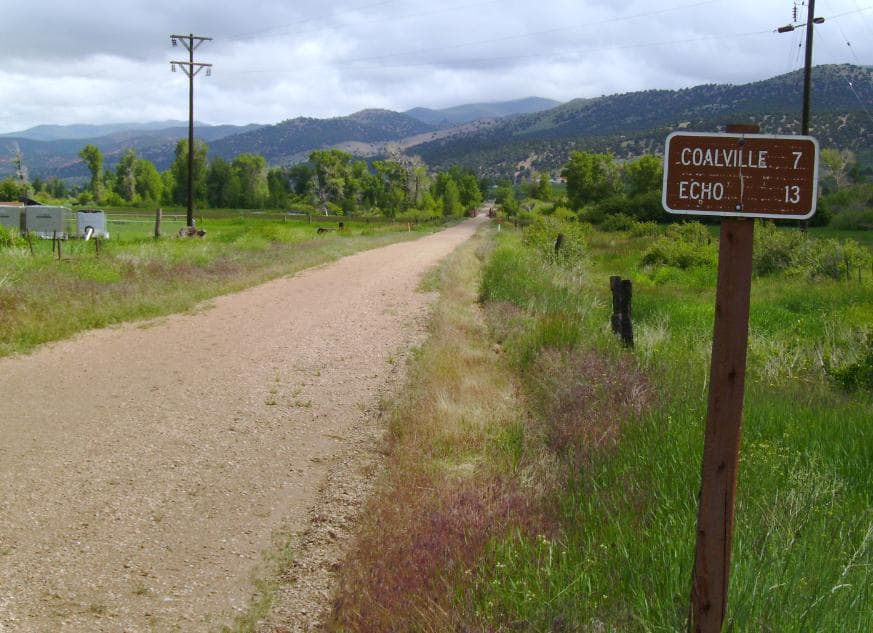
The Historic Union Pacific Rail Trail State Park runs about 28 miles along an abandoned railroad alignment between Park City and Echo Reservoir, linking towns and scenic landscapes across Summit County. The route threads through Silver Creek Canyon and passes the communities of Wanship and Coalville, serving as a multiuse corridor for hiking, biking, horseback riding and winter activities in segments. Managed as a state park in coordination with partner organizations, the trail provides accessible, low-cost outdoor recreation for residents and visitors.
For Summit County, the trail is more than a recreational amenity. By creating safe space for regular physical activity, it helps reduce barriers to exercise that can drive chronic disease and contribute to stress and isolation. The corridor’s connection of small towns and residential areas with natural areas and commercial centers supports mental health, social cohesion and local business activity, while offering alternatives to car trips that can improve air quality and reduce traffic-related injuries if paired with broader transportation planning.
Public health and safety agencies benefit when such corridors are planned and maintained with equity in mind. The trail’s multiuse nature requires coordinated policies on surface maintenance, signage, winter grooming and emergency access so that users of different ages, abilities and modes can share the space safely. In winter, segments remain available for cold-season recreation, but seasonal closure policies and snow management affect who can use the trail and when. Ensuring accessible entry points, clear maps and connections to transit and sidewalks will determine whether the trail truly serves lower-income residents, people with mobility limitations and families without cars.
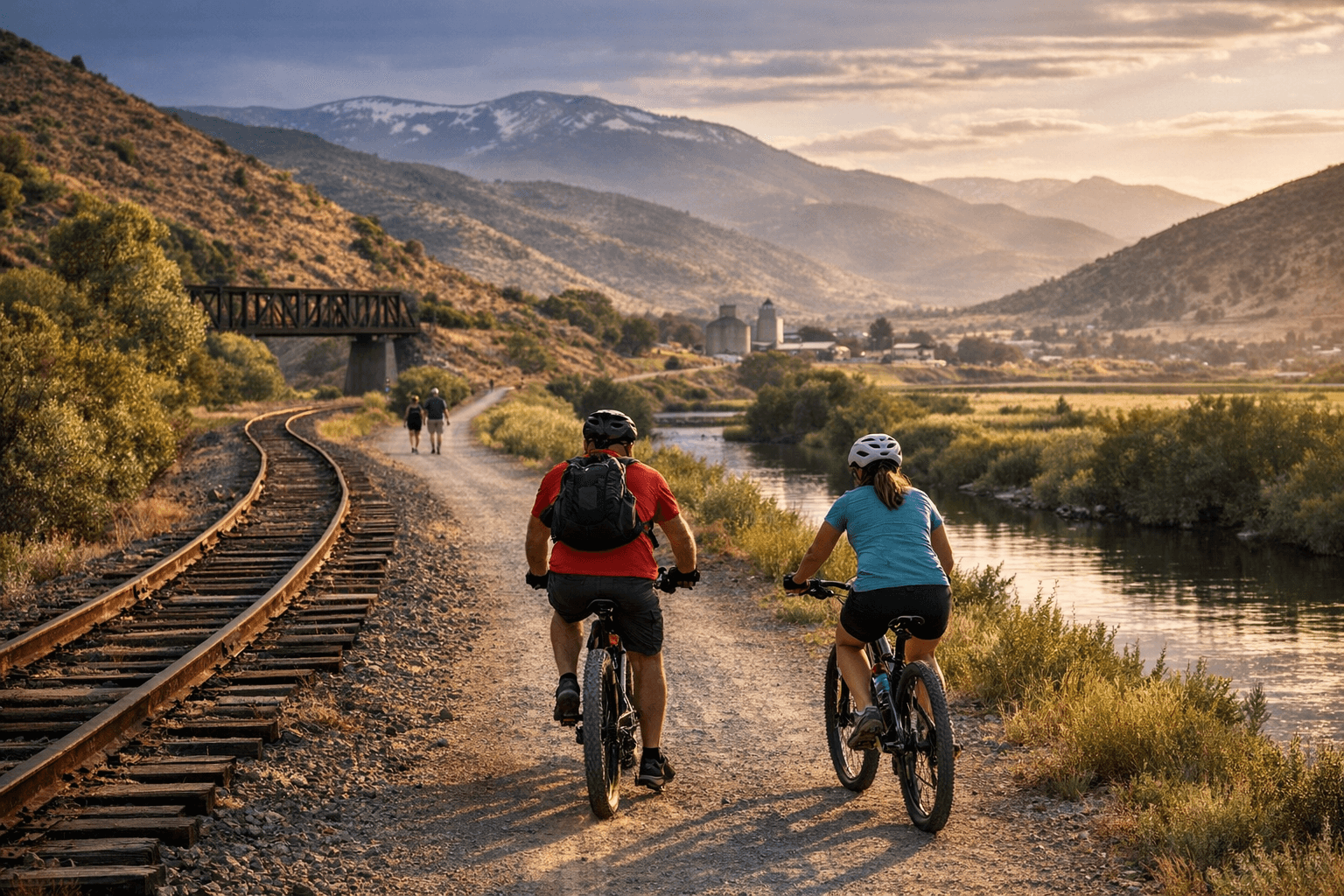
Management by the state and partner organizations brings strengths in stewardship but also highlights systemic funding and governance questions. Sustainable maintenance, equitable programming and emergency response coordination depend on predictable resources and inclusive decision making. Without intentional outreach and investments, the trail can inadvertently favor visitors with cars and limit benefits for nearby neighborhoods that would gain most from daily access to outdoor space.
Looking ahead, the rail trail represents a valuable public health asset for Summit County if county leaders, park managers and community groups sustain collaboration to address safety, accessibility and funding gaps. Expanding connections to neighborhoods, improving winter and ADA access, and integrating the corridor into emergency planning can deepen the trail’s role in promoting physical activity, mental wellbeing and local economic resilience across all parts of the county.
Sources:
Know something we missed? Have a correction or additional information?
Submit a Tip