House Approves $901 Billion Defense Authorization, Ukraine Aid Included
The U.S. House passed a bipartisan compromise National Defense Authorization Act on December 10, 2025, authorizing roughly $901 billion in defense policy and programs. The measure advances a 4 percent pay raise for service members, housing improvements, and two years of annual military aid to Ukraine, while still requiring separate appropriations to fund the programs.
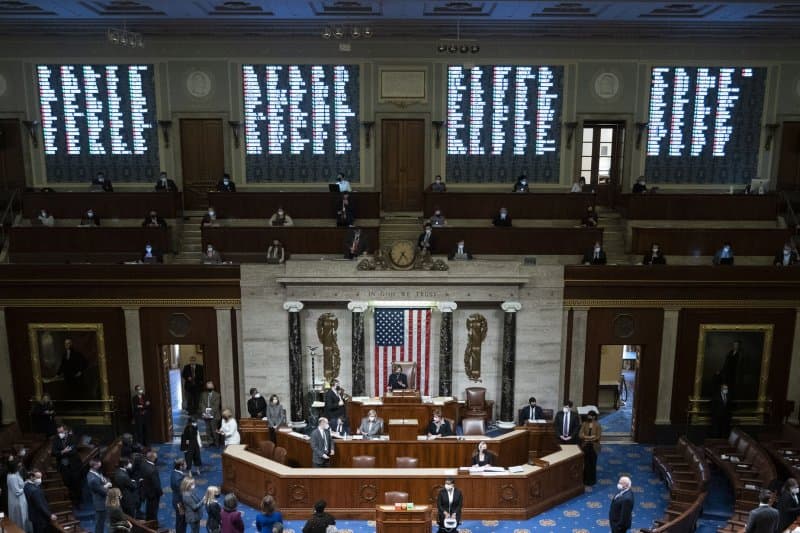
The House of Representatives passed the fiscal year 2026 National Defense Authorization Act on December 10 by a vote of 312 to 112, sending a bipartisan compromise to the Senate and continuing a decades long streak of annual defense policy enactments. The measure authorizes approximately $901 billion in defense programs and policy changes, and includes a 4 percent pay increase for active duty, reserve and National Guard personnel, expanded funding for base housing improvements, and authorization for $400 million in annual military assistance to Ukraine for the next two years.
The NDAA sets policy and program priorities for the Department of Defense but does not itself appropriate funds. Funding will require separate action by the House and Senate appropriations committees, creating a second phase of negotiations that could determine the scale and timing of actual spending. That division of authority gives appropriators leverage to alter or delay elements of the authorization, and ensures congressional budget dynamics will play a central role in whether the bill’s provisions are implemented on schedule.
Lawmakers framed the package as a balance between sustaining modernization and readiness and responding to political pressures in Congress. The bill preserves major procurement programs and personnel priorities that the Pentagon has identified as critical to force structure and readiness. At the same time it includes provisions that remove or restrict some diversity, equity and inclusion programs within the department, reflecting ongoing scrutiny of military personnel policy in a polarized political environment.
The authorization for Ukraine is limited to $400 million per year over two years, and like other elements of the bill remains subject to appropriations approval. That authorization signals continued congressional support for limited military assistance while imposing a finite temporal window for the aid. The provision will shape U.S. policy options toward Kyiv in 2026 and 2027 and underscores congressional influence over security assistance outside of executive branch authorities.
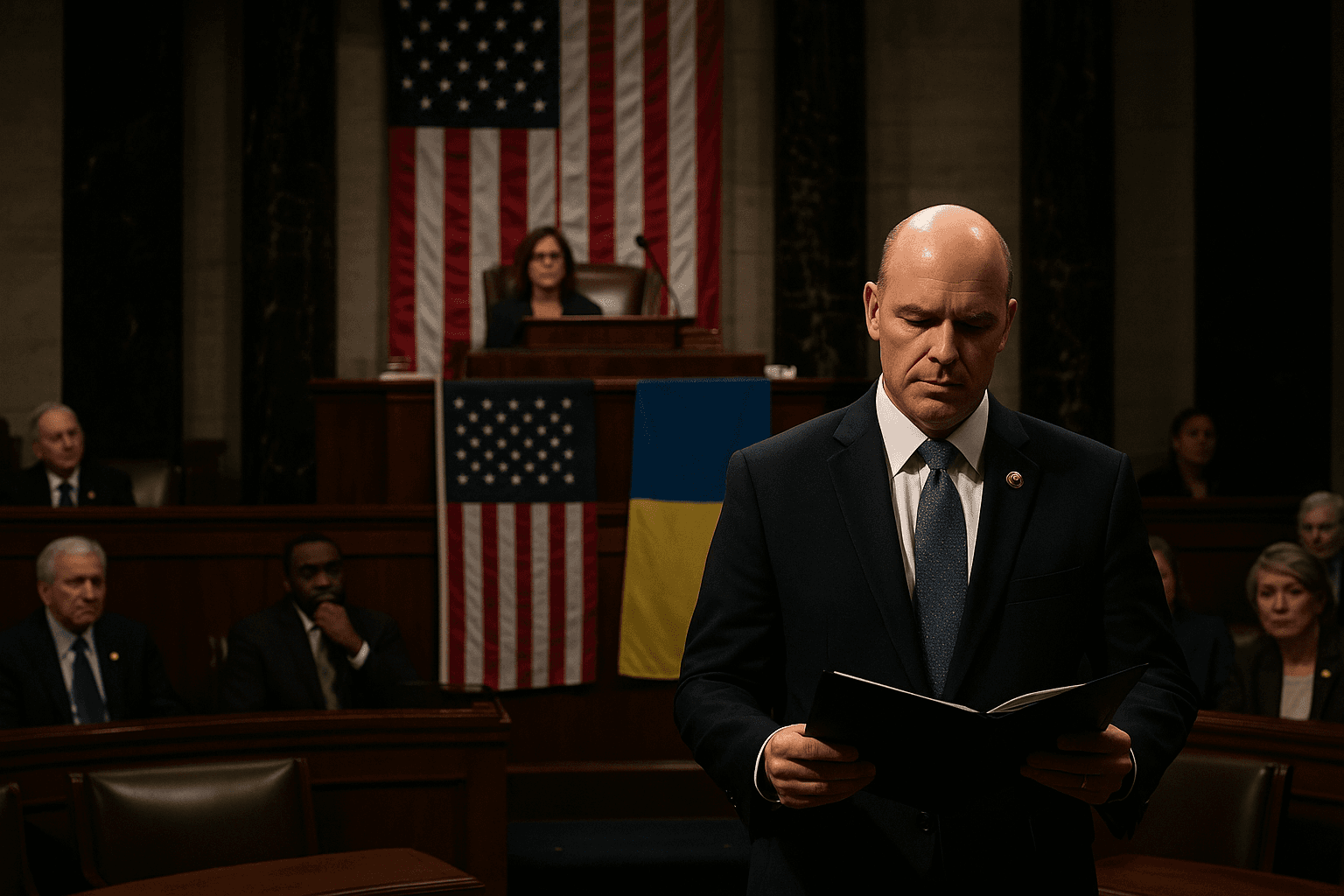
Institutionally, passage in the House underscores the continued utility of the NDAA as a venue for bipartisan agreement even as other areas of governance become more polarized. The 312 vote total demonstrates cross party coalition building, but the 112 opposing votes reflect persistent divides over specific priorities and policy language. The Senate will now consider the measure or draft its own bill, a process that typically involves its Armed Services Committee and could produce differences that require a conference or negotiated settlement.
For service members and communities dependent on defense spending, the most immediate impacts are the pay raise and housing improvements, which respond to long standing recruiter and retention challenges. For taxpayers and voters, the bill renews debate about the balance between authorization and appropriation, the oversight of personnel policies, and the congressional role in shaping both procurement and foreign assistance. As the legislation moves to the Senate and to appropriations action, lawmakers and citizens will have opportunities to scrutinize spending choices and hold elected officials accountable for how authorization translates into actual policy and outlays.
Sources:
Know something we missed? Have a correction or additional information?
Submit a Tip

