House Democrats Convene Jan. 6 Forum to Examine Electoral Threats
On the fifth anniversary of the Jan. 6, 2021 attack, House Democrats held an informal forum on Jan. 6, 2026 to assess continuing risks to election integrity and public safety tied to efforts to undermine elections. This article explains the forum’s purpose, participants, central lines of inquiry— including presidential clemency and efforts to rewrite history—related legal developments, and the political and civic implications heading into upcoming elections.
1. Purpose and Timing House Democratic Leader Rep.
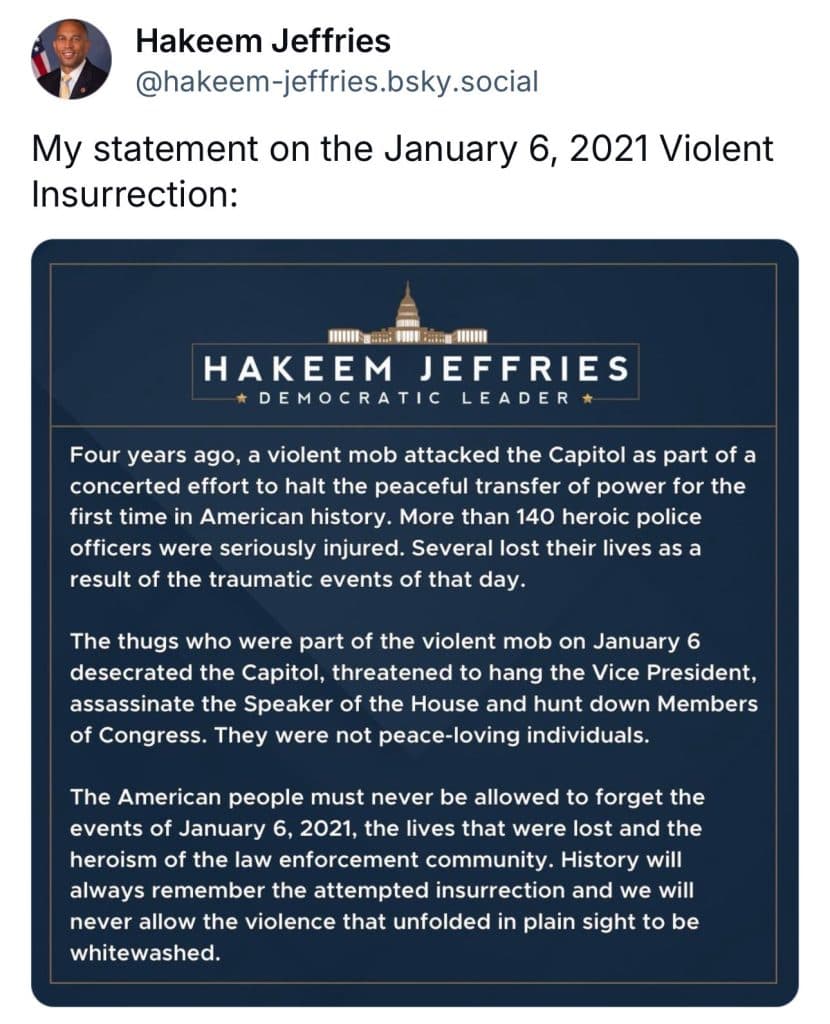
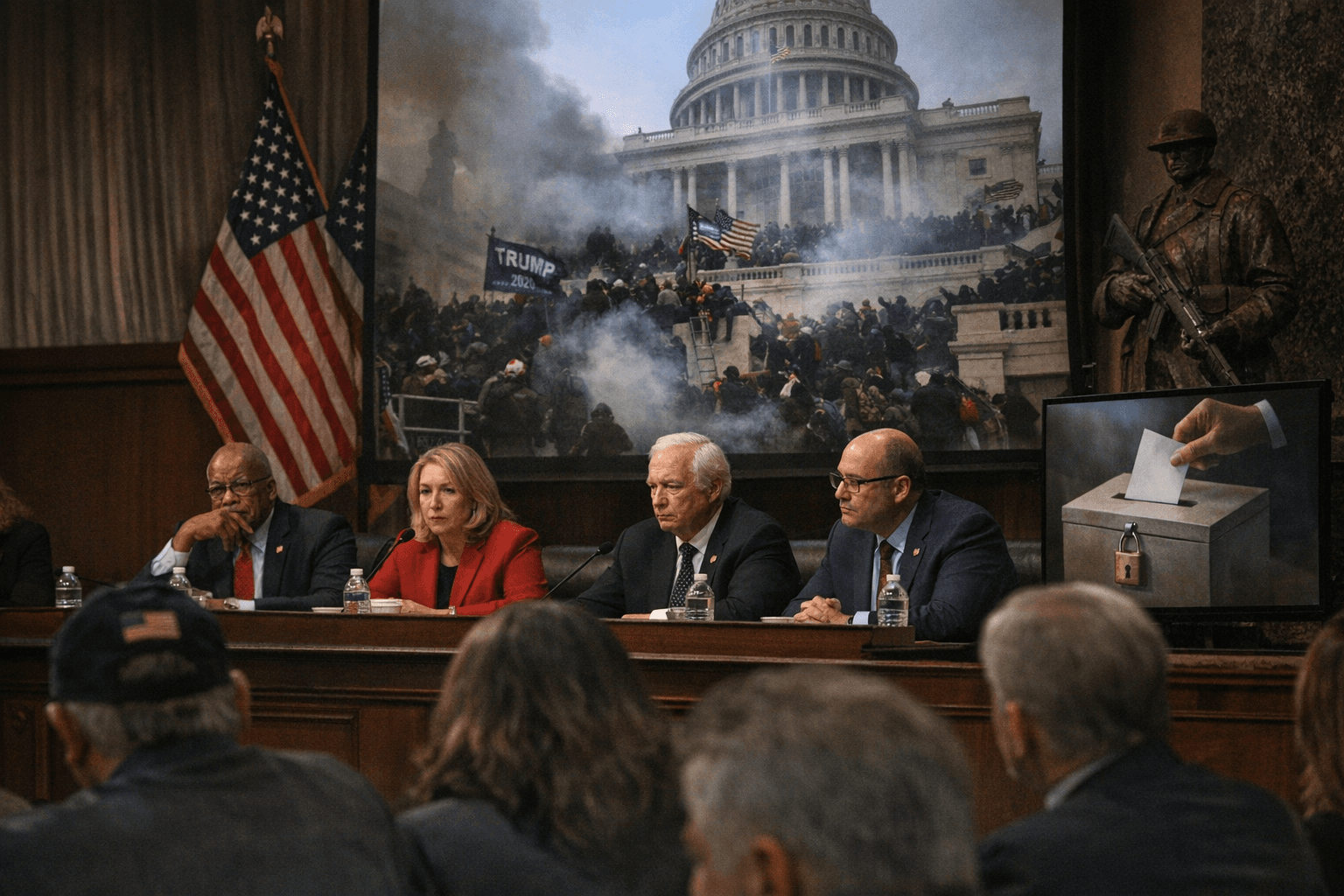
Hakeem Jeffries (D-N.Y.) called the informal hearing for Jan. 6, 2026 to spotlight what Democrats describe as “ongoing threats to free and fair elections.” The session was framed explicitly as a response to current political dynamics: Democrats said the forum would emphasize former President Donald Trump’s broad clemency for rioters who sought to reverse the 2020 election and identify ways those actions and related narratives pose present dangers to electoral integrity and public safety. Held on the fifth anniversary of the attack on the U.S. Capitol, the timing was chosen both to commemorate the events of 2021 and to reinsert them into public and political debate ahead of pivotal midterm contests.
2. Participation and Political Context Organizers anticipated little to no Republican participation, making the session an unofficial, Democratic-led forum rather than a bipartisan chamber hearing.
House Democratic leaders portrayed the convening as pushback against what they characterize as far-right efforts inside Congress to “rewrite history and whitewash the events of Jan. 6.” The lack of expected Republican engagement underscores the polarized institutional environment in which memorialization, oversight, and public education about Jan. 6 are unfolding, and it situates the forum within broader partisan battles over narrative control and accountability.
3. Jan.
6 Committee Voices Reassembled Members of the former Jan. 6 select committee were reconvened to speak at the Democratic forum and to lend institutional memory and investigatory detail. Rep. Jamie Raskin (D-Md.), a committee member, stressed the educative imperative: “There are new generations of people who are just growing up now who don't understand how close we came to losing our democracy on Jan. 6, 2021.” The committee’s nearly 1,000-page report was referenced as the substantive basis for many claims about the run-up to the attack, and former committee members provided context on findings, methods, and the continuing relevance of those conclusions to present threats.
4. Central Issues and Lines of Inquiry The forum focused on present-day threats tied to efforts to undermine elections, with particular attention to the political, legal, and public-safety implications of attempts to recast Jan.
6. Democrats highlighted presidential clemency granted to rioters who sought to reverse the 2020 results—some of whom have since been rearrested on other charges—as a concrete policy action with implications for deterrence, accountability, and the rule of law. Organizers also signaled scrutiny of broader administrative decisions and rhetoric from the current administration that Democrats argue contribute to an environment hostile to free and fair elections, making the forum both an investigative exercise and a strategic effort to shape public understanding.
5. Related Legal Matter: Plaque Litigation The convening occurred against the backdrop of related legal developments, including a Justice Department filing in a case about a plaque recognizing law enforcement who served during Jan.
6. Justice Department attorneys wrote that it is “implausible” to suggest installation of the plaque “would stop the alleged death threats they claim to have been receiving.” The filing and related statements—including arguments by U.S. Attorney Jeanine Pirro that Congress “already has publicly recognized the service of law enforcement personnel” by approving the plaque—illustrate legal tensions over memorialization, institutional recognition, evidence of threats to officers, and how courts and agencies weigh symbolic acts against asserted security harms.
6. Political Stakes and Civic Implications Democrats described the forum as both a commemoration and a mobilizing tool: organizers said it was intended to remind voters of the stakes of Jan.
6, educate younger generations, and frame electoral narratives ahead of midterms in which Democrats aim to win control of the House. An attendee at the forum captured a personal element of the event when she said, “They really saved my life, and they saved the democracy and they deserve to be thanked for it,” highlighting how individual accounts are used to connect institutional findings to civic sentiment. The broader institutional and policy implications include renewed focus on clemency policy, legislative and oversight responses to threats against the democratic process, and efforts to expand civic education to counter narratives that downplay the magnitude of Jan. 6.
Conclusion (implicit) The informal Jan. 6 forum on January 6, 2026 reassembled investigative expertise, personal testimony, and legal context to argue that risks to elections and public safety tied to actions and narratives stemming from 2020 remain active policy concerns. For policymakers, advocates, and voters, the event is likely to sharpen debate over accountability, influence messaging strategies ahead of the midterms, and shape discussions about institutional reforms, civic education, and the role of presidential clemency in preserving versus undermining democratic norms.
Know something we missed? Have a correction or additional information?
Submit a Tip