Trump Greenlights Sweeping Russia Sanctions Bill - Senate May Vote Soon
President Donald Trump has given tentative approval to a long-stalled bipartisan sanctions package targeting Russia and third-party buyers of its energy, Senator Lindsey Graham said, clearing a path for a possible Senate vote as soon as next week. The measure would expand U.S. authority to impose tariffs and secondary sanctions on countries doing business with Moscow, raising immediate questions about procedural hurdles, presidential control and diplomatic fallout with major trading partners.

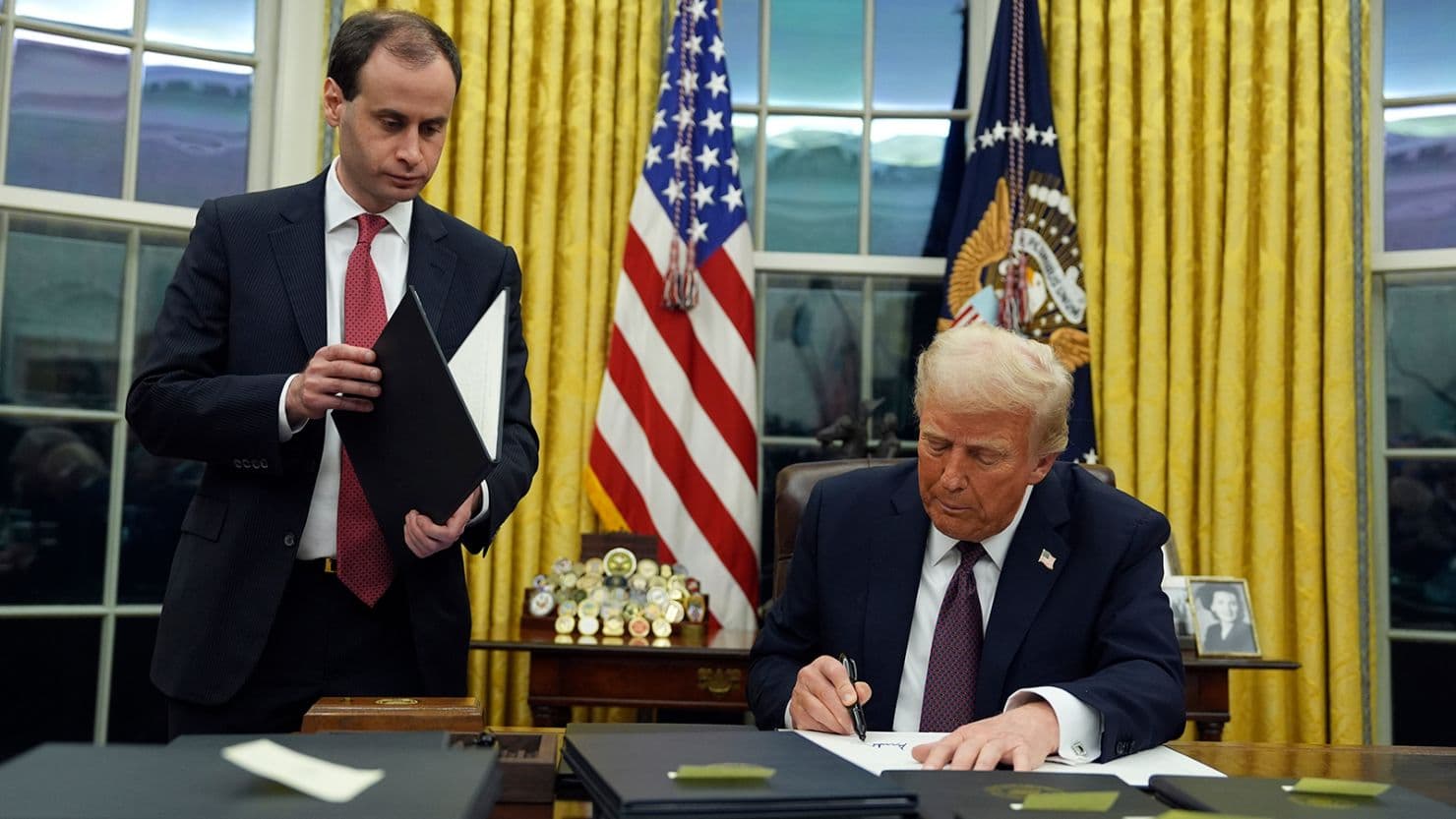
On Jan. 7, Senator Lindsey Graham said President Donald Trump had “greenlit” a bipartisan sanctions bill aimed at cutting off revenue streams that finance Russia’s war effort, and that the Senate could vote “as soon as next week.” Graham described a White House meeting that produced the decision as “very productive” and said he was looking forward to a “strong bipartisan vote.”
The legislation, chiefly authored by Graham and Senator Richard Blumenthal and identified as the Sanctioning Russia Act of 2025, has dozens of co-sponsors in the Senate and a companion measure in the House drafted by Representative Brian Fitzpatrick. Backers portray the package as a decisive tool to economically pressure Moscow by targeting not only Russian exports but also third-party countries that continue to buy discounted oil, gas, uranium and other commodities.
Under the bill’s provisions, the administration would gain authority to impose tariffs and secondary sanctions on countries that purchase Russian energy and strategic materials, with language described by supporters as permitting tariffs of up to 500 percent on purchases of discounted energy and uranium. Graham framed the measure as a means for the president to “punish those countries who buy cheap Russian oil fueling Putin’s war machine,” specifically citing China, India and Brazil as potential targets of enforcement.
Despite Graham’s announcement, the path to final passage remains uncertain. Congressional leaders in both chambers had previously held off on bringing the measure to a floor vote in part because the president had expressed a preference for pursuing tariffs on imports from India. Senate procedure poses a high bar: the bill would likely face a filibuster and requires 60 votes to proceed. Some analysts and lawmakers say the bill “stands no chance of passage in the Senate” if it cannot secure that threshold. Capitol Hill leadership was still stopping short of guaranteeing a vote next week, underscoring logistical and political obstacles.
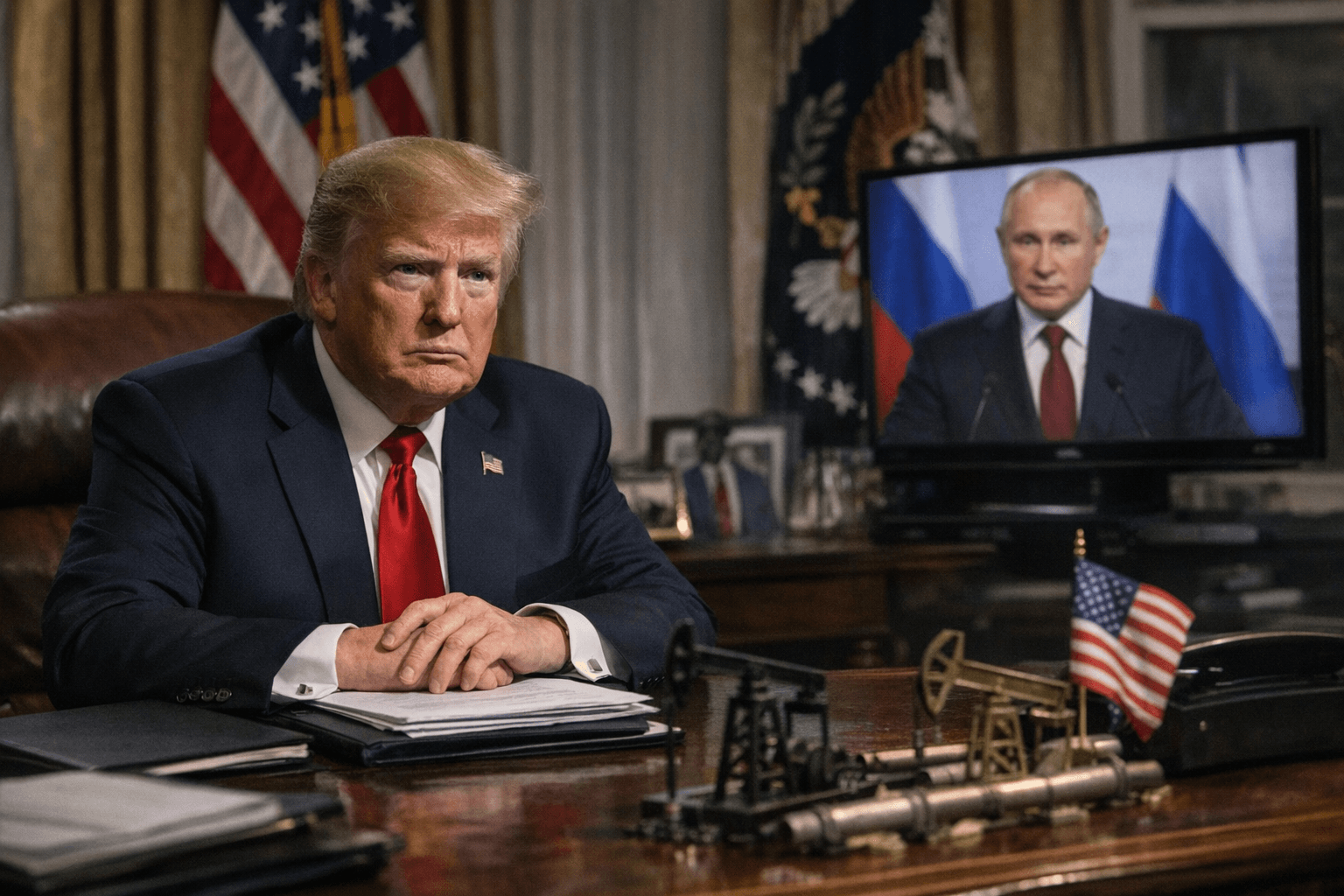
The White House has pushed for revisions and retained a desire for flexibility in any final package. Administration officials have signaled they would insist on statutory language preserving presidential control over sanctions decisions, and a White House official did not elaborate on whether such changes had been secured when Graham announced the green light.
If enacted, the measure would expand the toolkit available to successive administrations seeking to choke off funding for Russian military operations. But it would also create complex enforcement and diplomatic questions: secondary sanctions and steep tariffs aimed at major emerging-market partners could prompt retaliatory measures, complicate U.S. relations with trading partners and raise legal and implementation challenges for exporters and financial institutions.
Lawmakers will now contend with competing priorities, procedural requirements and geopolitical consequences as they decide whether to marshal the votes needed to move a sweeping sanctions package from concept to law. The coming days will reveal whether Graham’s timetable is realistic and whether the White House and Congress can reconcile authority, enforcement and foreign-policy considerations in a single legislative text.
Know something we missed? Have a correction or additional information?
Submit a Tip