Trump Withdraws United States from About 66 U.N. and International Bodies
President Donald Trump issued a proclamation and White House memo directing U.S. withdrawal from roughly 66 international and U.N. entities, framing the action as a reallocation of taxpayer dollars away from organizations the administration says conflict with national priorities. The decision reshapes American engagement on climate, health, oceans and security and raises immediate questions about legal timelines, diplomatic fallout and congressional oversight.
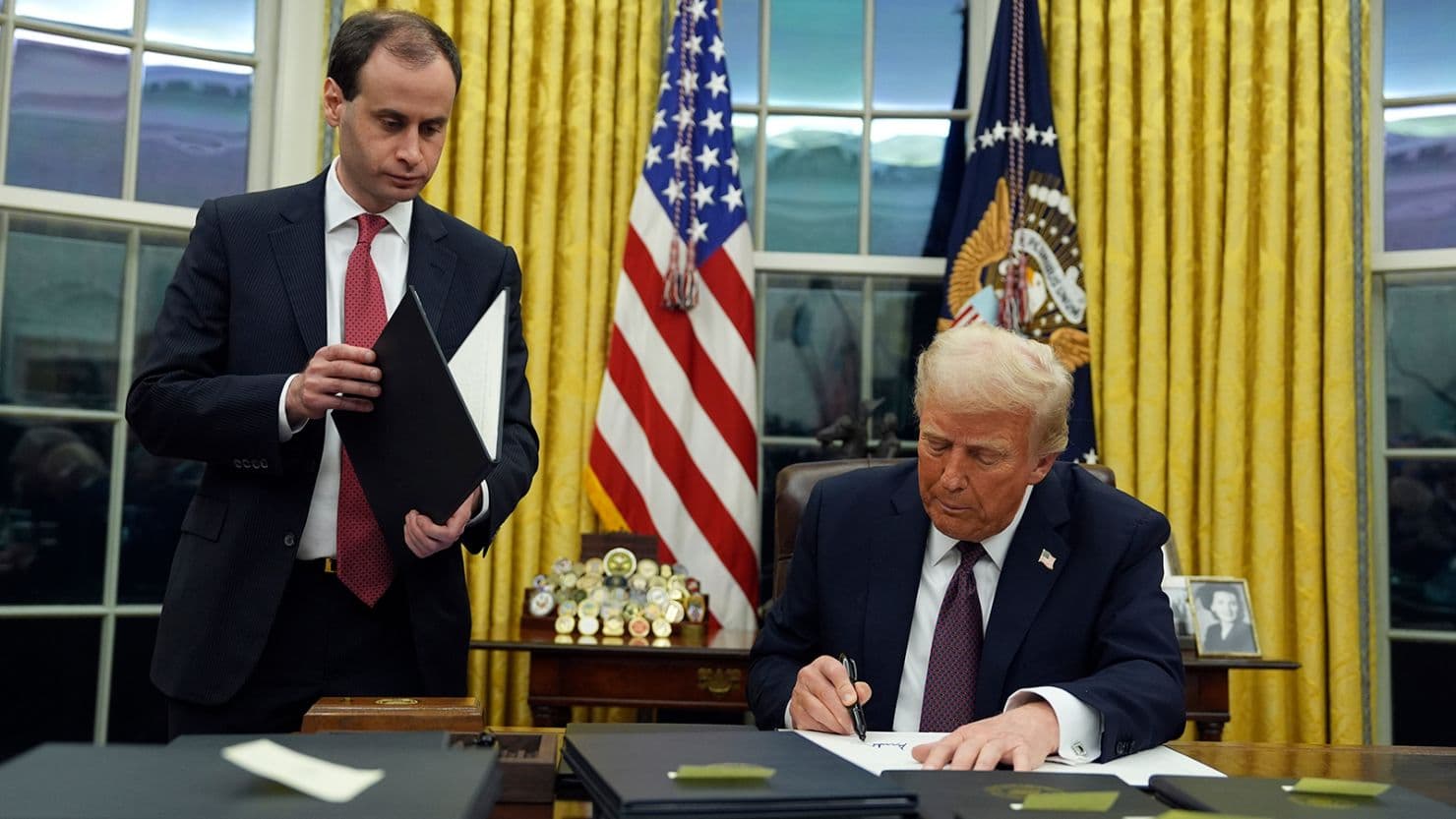
President Donald Trump signed a proclamation on Jan. 7, 2026, and the White House issued a companion memo instructing executive departments to begin pulling the United States out of scores of international organizations and U.N. bodies. The administration framed the action as an effort to end U.S. funding and participation in institutions it says “operate contrary to U.S. national interests,” directing agencies “to take immediate steps to effectuate the withdrawal … as soon as possible.”
The measure encompasses what the administration describes as roughly 35 non‑U.N. organizations and 31 U.N. entities, a sweeping retrenchment that spans climate, population, oceans, counterterrorism, piracy, renewable energy coordination and women’s empowerment programs. Among the specific targets identified in the memo and subsequent accounts are the United Nations Framework Convention on Climate Change (UNFCCC), the Intergovernmental Panel on Climate Change (IPCC) and the U.N. population agency. The White House has not yet published a consolidated official list of every body named in the directive.
The administration framed the moves as fiscal and policy realignment, asserting the withdrawals will end involvement in “entities that advance globalist agendas over U.S. priorities, or that address important issues inefficiently or ineffectively such that U.S. taxpayer dollars are best allocated in other ways to support the relevant missions.” How the administration plans to reallocate saved funds or quantify savings has not been disclosed, and officials have not provided a firm timeline for when membership terminations or treaty withdrawals would take effect.
Legal and operational mechanics differ across the affected instruments. Withdrawal from some treaties and U.N. bodies can require formal notice periods and procedural steps that span months or years; independent organizations have separate charters and funding agreements that complicate immediate disengagement. The new directive orders agencies to move quickly, but agencies face complex administrative work to sever formal ties while maintaining obligations tied to funds, contracts and personnel.
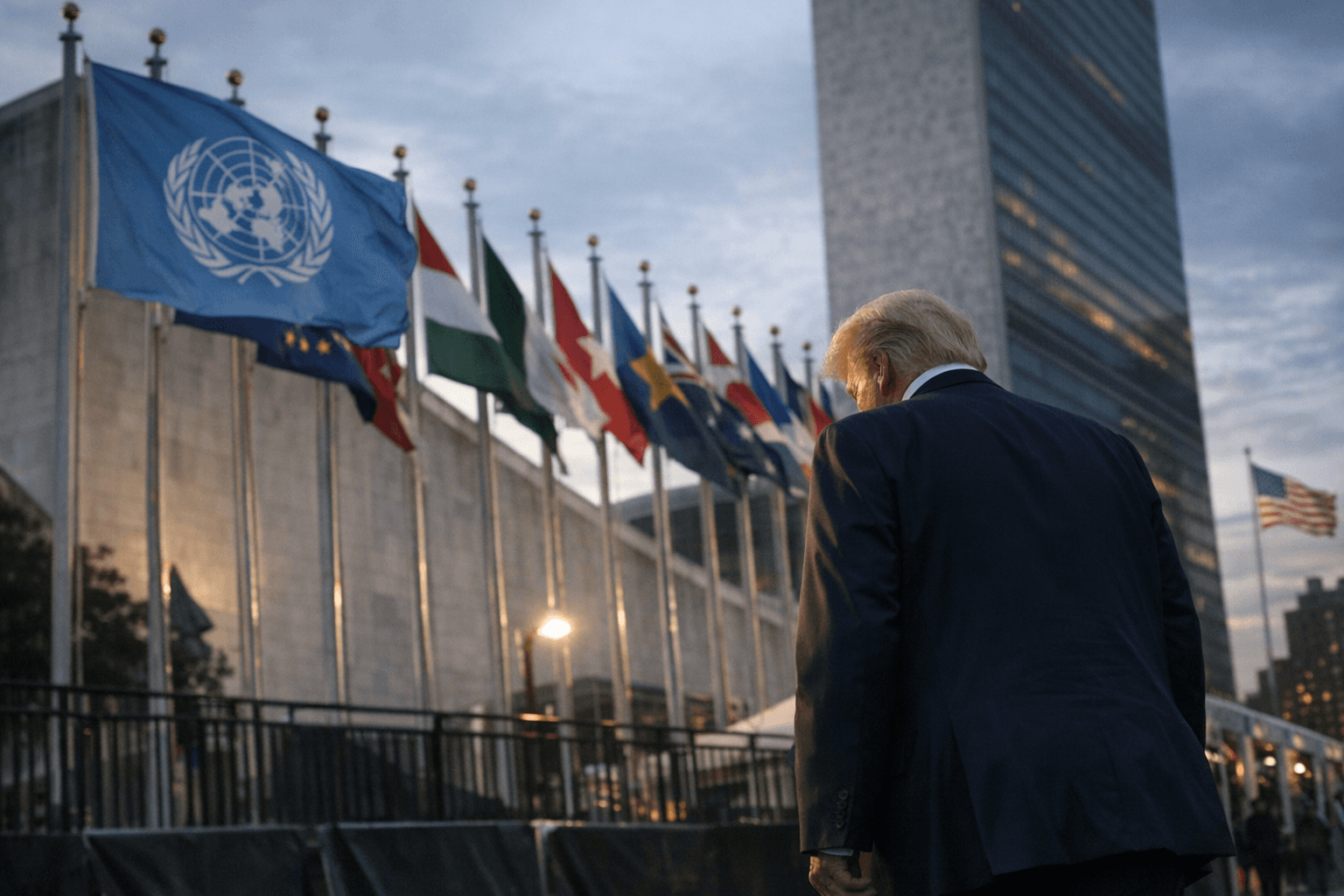
The action is the latest in a pattern of stepped‑up unilateral moves since the president began his second term, following prior U.S. exits or funding pauses involving the World Health Organization, the Paris climate accord, UNESCO and several U.N. programs. Taken together, the new withdrawals mark a broader retreat from multilateral engagement that will diminish Washington’s formal voice in international rule‑making forums and technical bodies that shape global standards and information flows.
Policy specialists warn that the practical effects could be significant: loss of U.S. influence on climate science and negotiations if the UNFCCC and IPCC are abandoned, weakened coordination on maritime security and counterpiracy, and disruption of international health and humanitarian networks. The choices also pose domestic political tests for lawmakers who may press for hearings, budget riders or legal challenges to slow or reverse specific exits.
The White House directive leaves immediate questions unanswered: a complete published list, the legal timelines for each withdrawal, the fiscal math of any savings and how U.S. partners and multilateral institutions will respond. For Congress, civil society and voters, the coming weeks will determine whether the administration’s broad directive translates into concrete, enforceable withdrawals or triggers legislative and judicial scrutiny over the scope and consequences of the moves.
Know something we missed? Have a correction or additional information?
Submit a Tip