Trump Invites Colombia’s Gustavo Petro to White House After Confrontation
After a week of blistering rhetoric, President Donald J. Trump invited Colombian President Gustavo Petro to the White House following an hour-long phone call that both sides described as cordial. The outreach comes amid unproven U.S. accusations of Petro's involvement in cocaine trafficking, recent sanctions and visa restrictions, and widespread unrest in Colombia that has raised regional diplomatic and security fears.
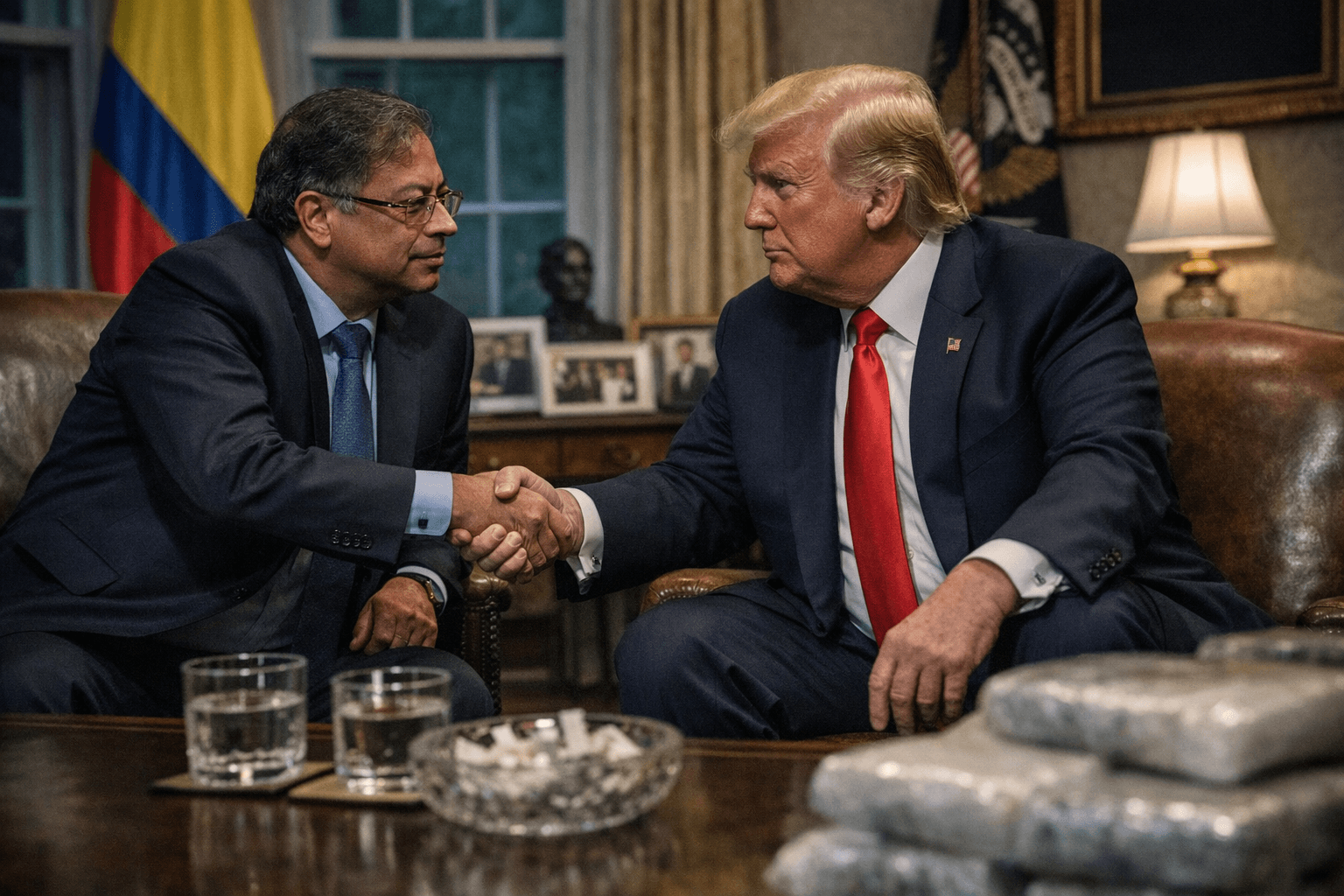
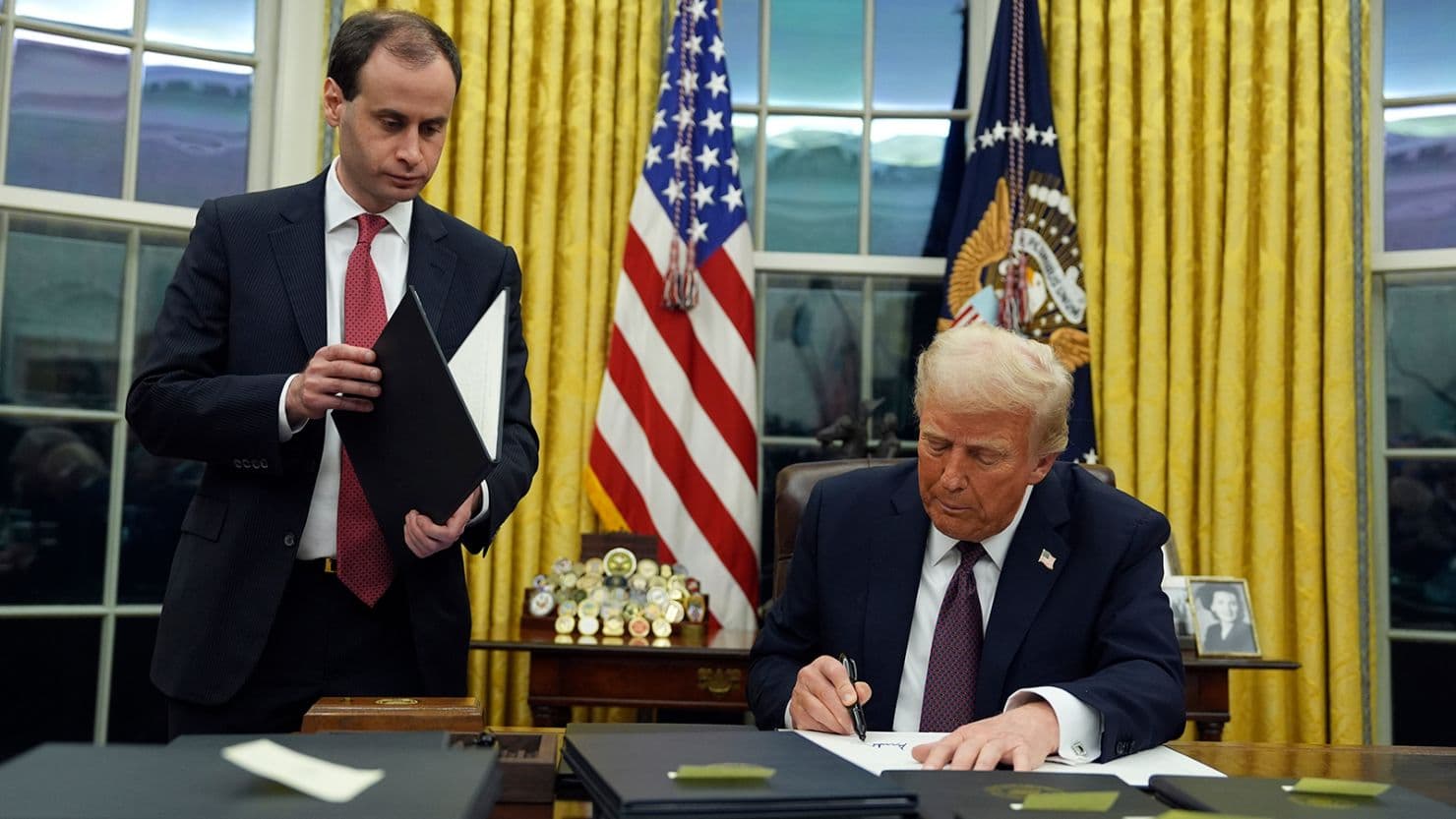
President Donald J. Trump on Jan. 7 invited Colombia’s President Gustavo Petro to Washington after a phone conversation the two governments characterized as cordial, ending a brief but intense diplomatic escalation that had alarmed leaders across Latin America. In a post on his social platform, the U.S. president said, “It was a Great Honour to speak with the President of Colombia, Gustavo Petro, who called to explain the situation of drugs and other disagreements that we have had. I appreciated his call and tone and look forward to meeting him in the near future.” He added that “arrangements are being made” for a meeting, but provided no date.
The invitation followed a string of confrontational exchanges that began on Jan. 3 when Mr. Trump publicly warned Mr. Petro to “watch his ass.” In the days that followed, Mr. Trump accused Mr. Petro of facilitating cocaine production and trafficking, allegations for which U.S. officials have not released detailed supporting evidence. Washington had previously taken punitive measures against the Colombian president, revoking his U.S. visa in September and imposing sanctions in October, and later applied financial sanctions that targeted Mr. Petro and members of his family.
The rhetoric raised immediate concerns about escalation. When asked whether a military intervention similar to the one used against Venezuela might be considered for Colombia, Mr. Trump said, “It sounds good to me.” Mr. Petro responded to the threats by urging supporters to mobilize, telling followers he was prepared to “take up arms” if necessary. Massive demonstrations erupted across Colombian cities after the exchange, reflecting deep domestic polarization and fears that the row could destabilize the Andean nation.
Colombian officials warned of broader regional consequences. Mauricio Jaramillo, Colombia’s deputy foreign minister, warned the U.S. strike on Venezuela could ripple into a “catastrophe” for the whole of Latin America, a reminder of how quickly bilateral disputes can become regional crises when they touch on sovereignty, drug trafficking and ideological divides. Petro’s status as Colombia’s first leftist president has already provoked strong reactions at home and abroad and made the country a focal point for competing geopolitical agendas.
The phone call and planned White House meeting present an early test of whether diplomacy can defuse tensions generated by incendiary language and punitive measures. Both governments have so far left key questions unanswered: U.S. authorities have not made public the evidence underlying trafficking allegations, and it is unclear whether Washington has concrete military plans regarding Colombia beyond the public rhetoric. No date for a White House visit has been announced, and Colombian officials say they will monitor the situation closely as protests continue.
Analysts say the coming days will be critical. A meeting in Washington could offer an opportunity to reset relations and establish a framework for cooperation on drug interdiction and security. Conversely, if either side treats the summit as a public relations victory rather than a basis for verifiable commitments, the exchange risks hardening domestic positions and widening fractures across the region.
Sources:
Know something we missed? Have a correction or additional information?
Submit a Tip