Senate to Vote on Measure Curtailing Trump Military Action in Venezuela
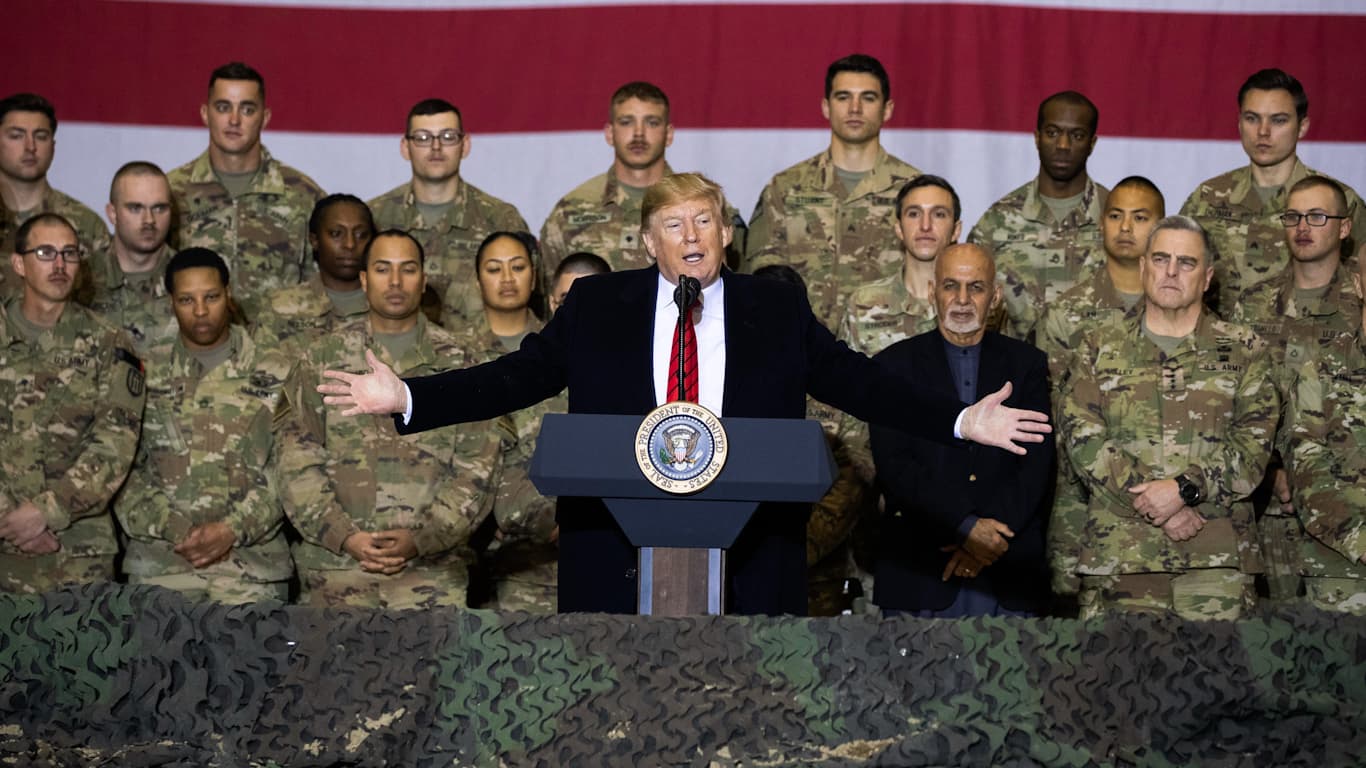
The U.S. Senate is set to vote Thursday on a war‑powers resolution aimed at preventing President Donald Trump from undertaking further military operations in Venezuela without explicit congressional approval. The outcome could hinge on a handful of Republican senators and will test the balance of war powers amid an unprecedented U.S. operation that seized President Nicolás Maduro.

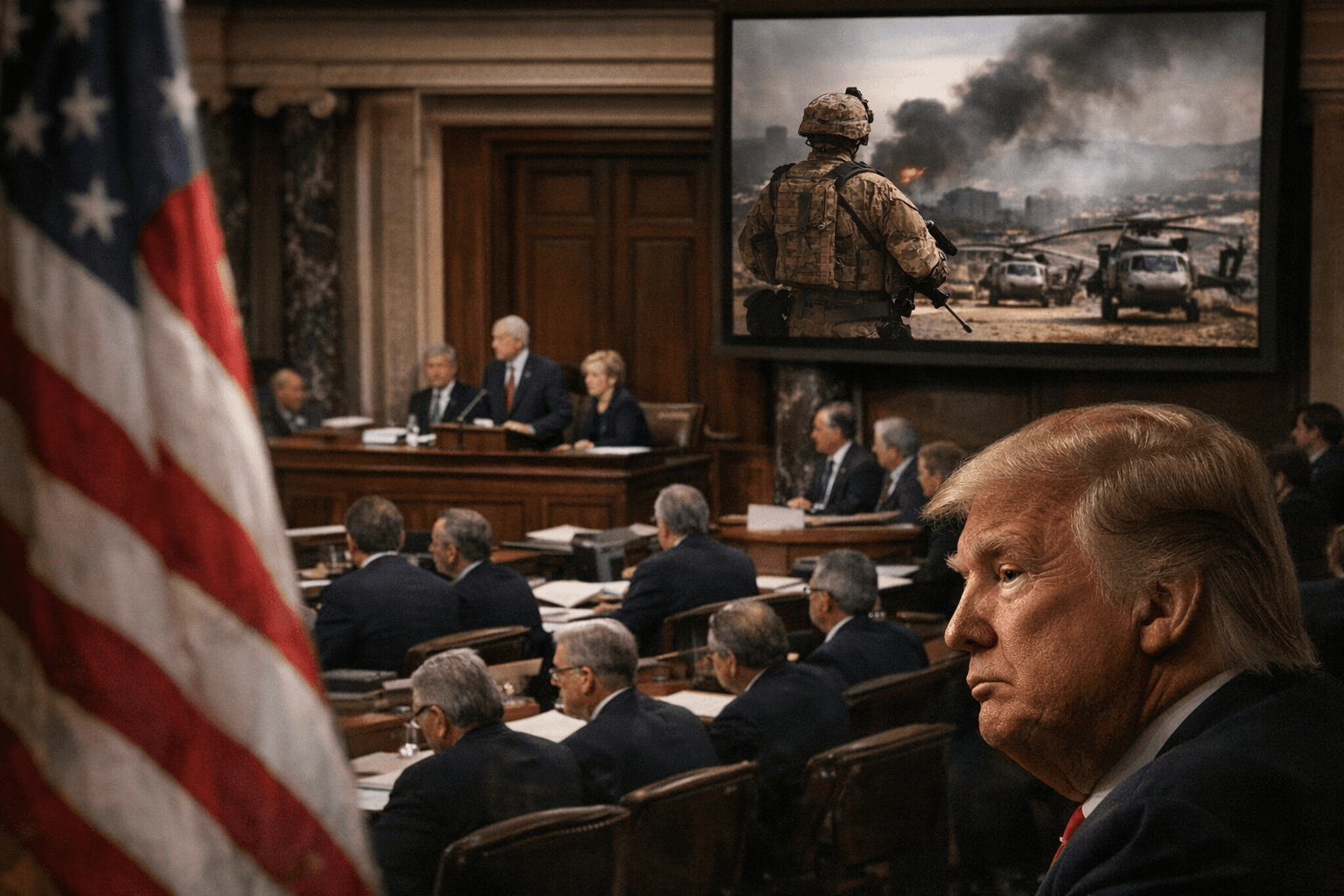
The Senate prepares Thursday morning for a floor vote on a war‑powers resolution that would require President Donald Trump to obtain congressional authorization before conducting further military action in Venezuela and would compel the removal of U.S. forces from any hostilities in or against Venezuela not approved by Congress. The forced vote, advanced by Sen. Tim Kaine, comes after a surprise U.S. nighttime raid that seized Venezuelan President Nicolás Maduro and his wife, Cilia Flores, and amid an expanded U.S. campaign of strikes and maritime operations in the region.
Kaine’s measure, first introduced in early December, would demand that any U.S. forces engaged in unauthorized hostilities in Venezuela be withdrawn and would bar additional strikes or comparable military operations absent a formal authorization from Congress. Under Senate rules, the resolution requires only a simple majority to pass the chamber, making the votes of a small number of Republican senators potentially decisive. Even if the resolution clears both houses, proponents acknowledge that a presidential veto is likely and would present a substantial obstacle.
U.S. forces executed the high‑profile operation that resulted in Maduro and Flores being taken to the United States to face federal charges. Maduro has pleaded not guilty in U.S. federal court. The administration frames its broader actions as an ongoing campaign against alleged drug‑smuggling boats at sea, a series of strikes and operations that have, by government accounts and independent confirmations, killed more than 100 people. An episode in which two people who survived an initial September 2 blast were later killed helped prompt renewed legislative pressure.
Administration officials have offered evolving legal rationales for the operations, describing some strikes as falling within counter‑terrorism authorizations and portraying the capture of Maduro as a law‑enforcement action intended to bring him to trial in the United States. The White House has also signaled ambitions to exert control over Venezuela’s oil resources; the president has said the United States will “run” the country for the time being and that the U.S. will control its oil sales after Saturday’s strikes. White House adviser Stephen Miller argued the U.S. presence off Venezuela’s coast “keeps the U.S. in a position of leverage” and that “by definition we are in charge.”
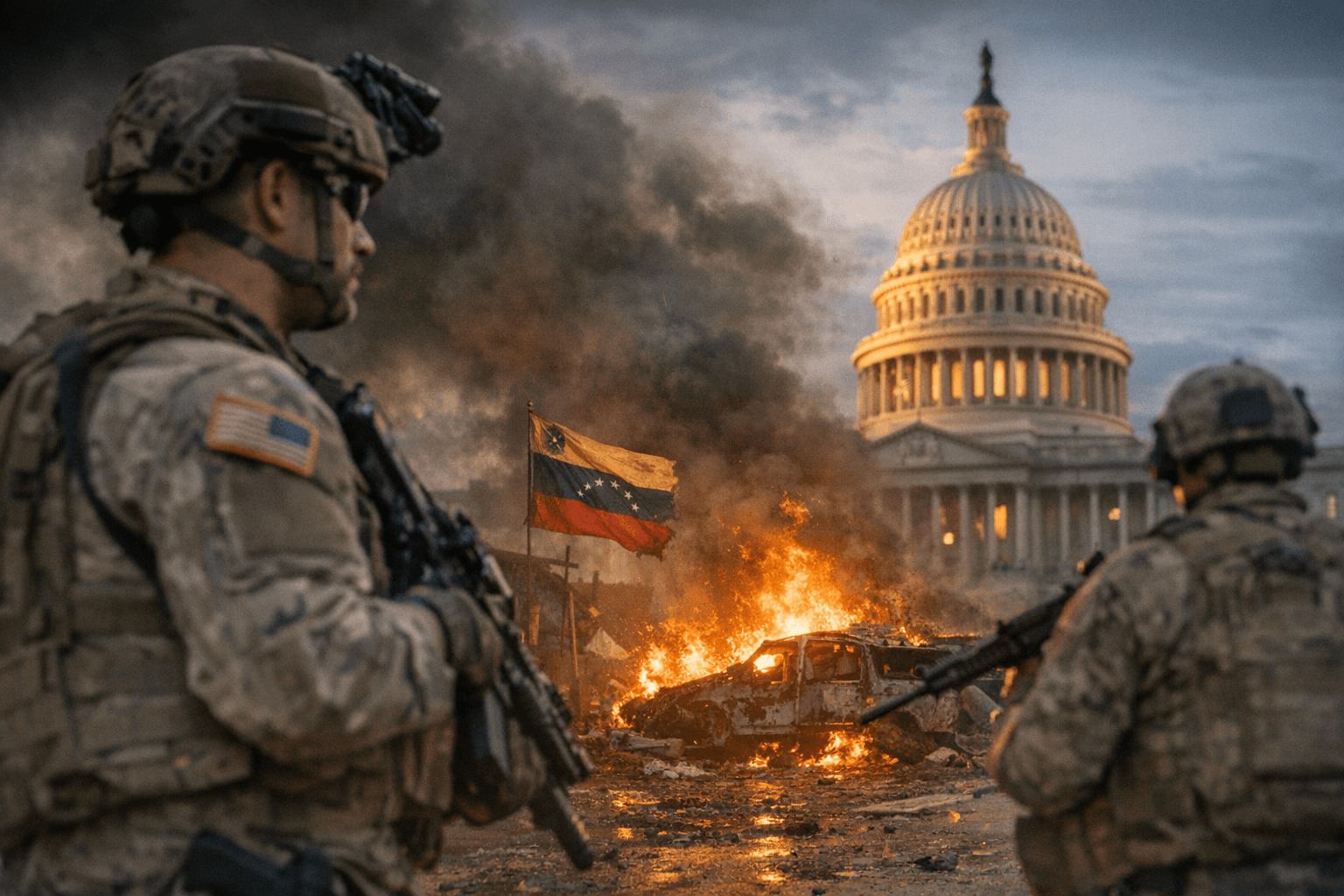
Those assertions have alarmed lawmakers and legal scholars who contend that bombing a capital and removing a head of state amount to acts of war requiring congressional authorization. “I think bombing a capital and removing the head of state is by all definitions, war,” said Sen. Rand Paul, the lone Republican cosponsor of Kaine’s measure. Supporters of the president counter that the actions fall within executive authority and are narrowly tailored.
The Kaine resolution marks at least the third major congressional test this session over U.S. action in Venezuela. Related measures failed narrowly on December 17, 2025, and lawmakers point to a May 2020 precedent in which Congress passed a resolution limiting action against Iran only to see a veto prevail. Senate leaders are watching closely. Kaine argued the chamber must reclaim its constitutional role: “It’s time for Congress to assert its control over military action of this kind, and it’s time to get this out of secrecy and put it in the light.” Senate Majority Leader John Thune praised the president’s posture, saying he has “demonstrated at least already a very strong commitment to peace through strength.” Senators Susan Collins and Thom Tillis are weighing their votes; Tillis observed, “We have a history of going in, liberating and leaving. I’m interested in the leaving part.”
The vote will not only determine near‑term U.S. operations in Venezuela but also shape a broader debate over executive flexibility, congressional authority and the United States’ strategic posture across the Western Hemisphere and beyond.
Sources:
Know something we missed? Have a correction or additional information?
Submit a Tip