How Simulators Are Transforming Drone Racing Training and Practice
Pilots increasingly rely on flight simulators as the fastest, safest, and most cost-effective route to build stick time, muscle memory, and racecraft. That shift matters because structured sim practice shortens the skill curve, reduces crash costs, and improves consistency for local events and league qualifiers.

Flight simulators have moved from laptop curiosities to essential tools for drone racers. They let pilots repeatedly practice course lines, gate approaches, starts, and emergency recoveries without breaking frames or burning props. For community racers balancing limited outdoor time and repair budgets, sims provide repeatable, adjustable training that directly translates to cleaner laps and fewer DNFs at live events.
Three simulators dominate organized training and online competition. Velocidrone is widely used for racing practice and organized online competitions, prized for configurable physics and a large community-made track library that supports tight, technical lines. Liftoff offers strong visuals and an easier onboarding path, helpful for flow and freestyle while also supporting race tracks. The DRL Simulator reflects pro racing formats and is used for DRL tryouts and virtual qualifiers. Lighter or low-cost options include FPV FreeRider and several open-source sims, useful for beginners or experimentation.
To get realistic training value, pair sims with the right hardware. Use a controller with hall-effect or textured gimbals found in FrSky/Taranis-style radios, TBS Tango 2, or RadioMaster models, connected to your computer via USB adapter or module. Optional head tracking or VR can add immersion, but watch for legal and comfort limits during aerobatics. Calibrate sticks and set control deadzones in the sim so throws and feels match your real radio.
A practical, week-by-week routine turns casual practice into progress. Week 1 focuses on foundations with 30–60 minutes a day: warm up with orientation drills, practice straight-line speed control and hover-to-cruise transitions, and work single-gate approaches and clean exits to build smooth throttle control. Week 2 increases precision with 30–90 minutes per day: stick exercises, full track laps at 50–70 percent speed focusing on gate centerlines, and start-line practice to cut wobble on entries and tighten exit lines. Week 3 emphasizes racecraft and failure drills with 45–120 minutes per day: simulate heats with short races and restarts, and run emergency scenarios such as motor out, low battery, or RF glitch recoveries to learn pacing and mid-race decision making.

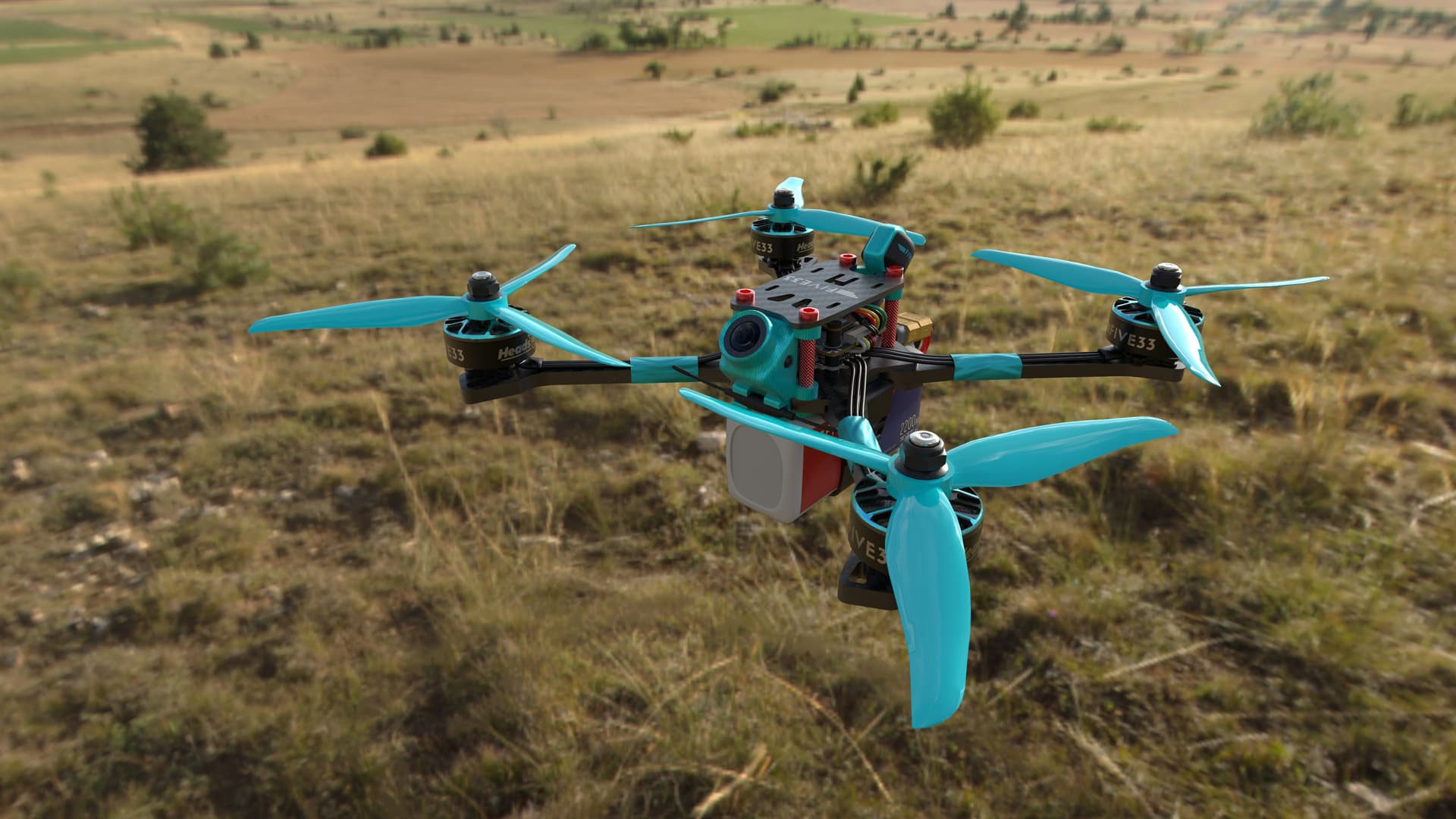
Advanced training uses replay analysis and telemetry. Record laps and review slow-motion replays to study entry angles and throttle curves, and enable FPS or latency overlays to see how hardware affects control. Match sim physics to your quad’s setup—prop size, weight, motor KV, and battery voltage—and reduce or disable input smoothing to mirror the snappy response of a 5-inch race quad. Keep latency low for realism, but add a small latency buffer if you fly on older goggles or radios with observable lag.
Avoid common mistakes: include sprint laps at race pace instead of only smooth flying, keep sensitivity and gains consistent between sim and real radio, and structure sessions with explicit goals to prevent short unfocused practice. Use sims for team practice by organizing virtual heats to rehearse starts, passing rules, and referee calls, and study official qualifier maps and camera angles when preparing for league events. Community resources such as MultiGP chapters, YouTube tutorials, and Discord map packs make it easy to find practice partners and timed lobbies.
Simulators shorten the path to consistent laps and confidence. Prioritize structured, progressively challenging sessions combined with a small amount of real-stick time to accelerate improvement and performance at live races.
Know something we missed? Have a correction or additional information?
Submit a Tip