How to Check Your Private Water Service Line in Wake County
Raleigh Water has published step-by-step guidance for residents to determine whether the portion of their private water service line is lead, galvanized steel, copper, brass, or plastic. Knowing the material matters for household health and for the city’s ongoing efforts to identify and replace lead service lines that pose elevated risk.
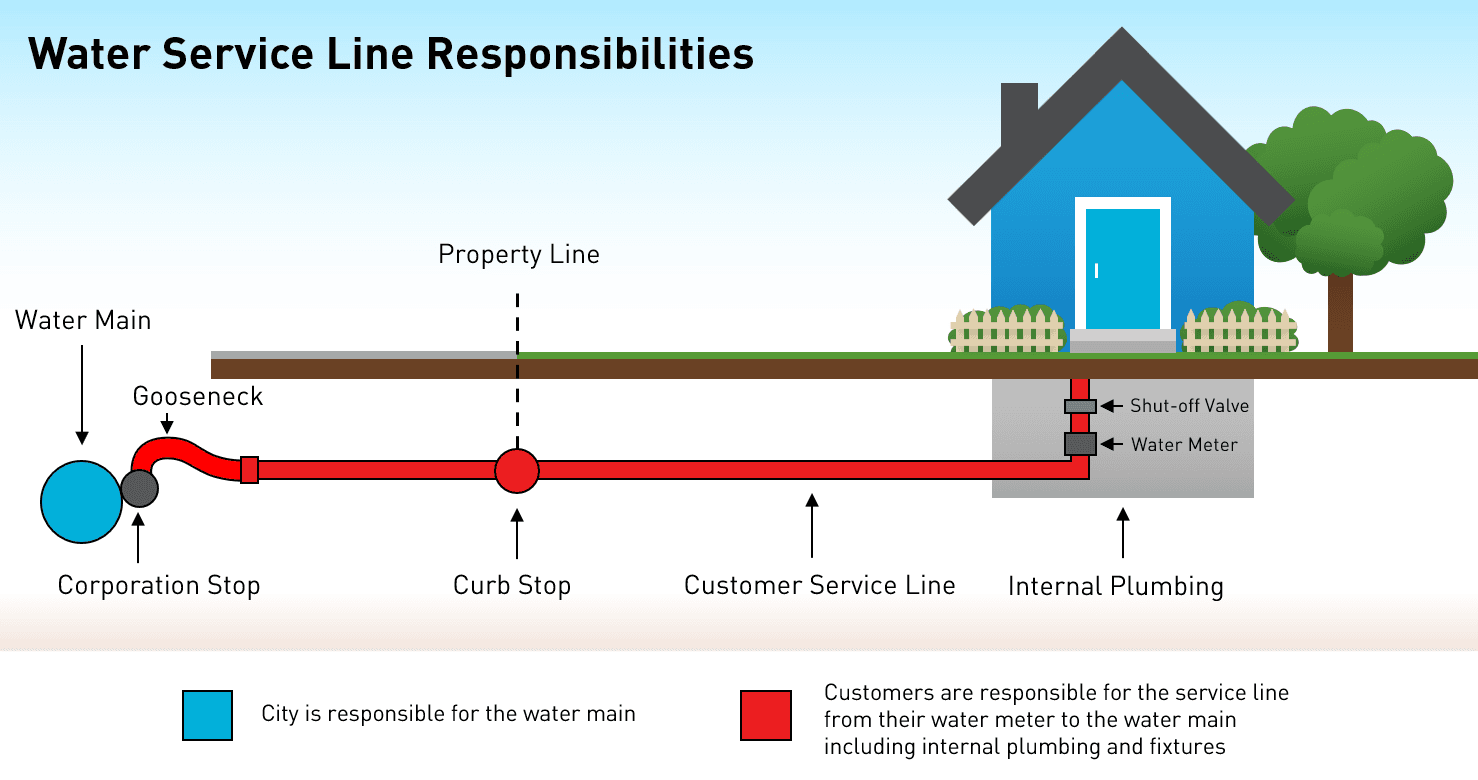
City guidance gives Wake County homeowners a clear process for confirming what material their private service line is and for getting help from Raleigh Water staff when identification is uncertain. The instructions combine an online record check with a simple physical inspection procedure and a direct reporting channel so residents can document and report their findings.
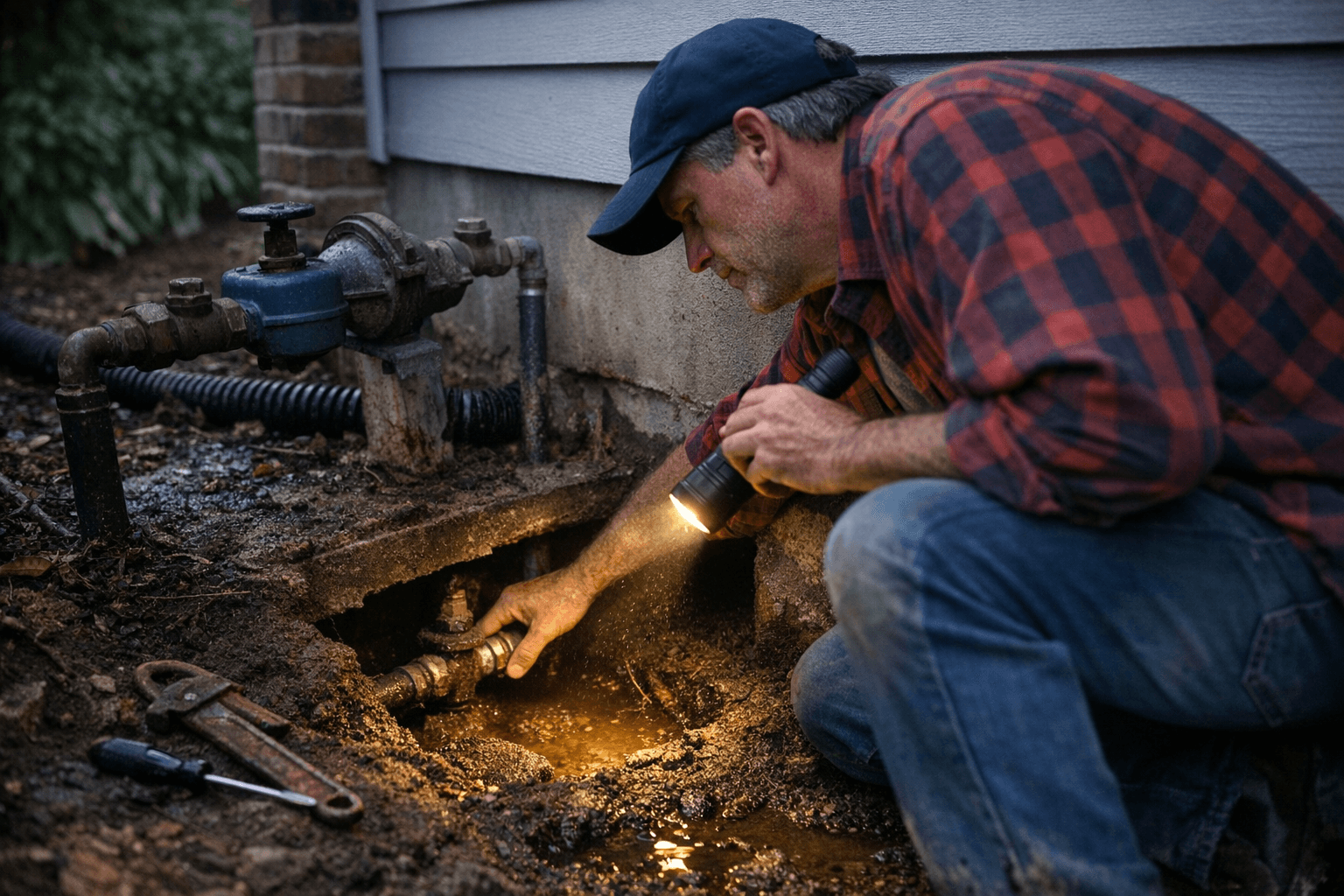
First, residents are encouraged to consult the City of Raleigh’s online mapping tool, which displays recorded Utility Side Material and Private Side Material for a given address. That map can show when a service line is already recorded as non-lead, which may reduce the need for physical inspection. Where the map does not resolve the question, the guidance explains how to inspect the pipe where it enters the home—typically in a crawlspace or meter area—using a flashlight, a magnet and a coin or key to test the metal.
The physical tests are straightforward: lead is soft and scratches easily; galvanized steel will attract a magnet; copper will scratch to a penny color; plastic is smooth and non-magnetic. If the material remains unclear, the city asks residents to take clear photographs of the service line and email them, along with the property address, to Raleigh Water at customercare@raleighnc.gov for staff identification.
The distinction between the utility-owned portion of a service line and the private side that homeowners own is central to the guidance. Determining whether the private side contains lead matters for individual household exposure and for the broader municipal program to identify and replace lead service lines. Raleigh Water’s approach combines resident participation and municipal records to accelerate identification and replacement where needed.
For Wake County residents this guidance has immediate practical and policy implications. At the household level, accurate identification allows residents to take precautionary measures and to seek confirmation from city staff. At the municipal level, widespread resident engagement helps the city refine inventory data and prioritize replacements, which touches on budgeting, infrastructure planning and public health protections.
Residents who need help identifying their service line or who find potential lead should follow the steps outlined: consult the online map, perform the basic inspection tests, document with photos if needed, and email Raleigh Water at customercare@raleighnc.gov. Clear, verifiable information about private service line materials will inform both personal decisions and the county’s infrastructure policy choices going forward.
Sources:
Know something we missed? Have a correction or additional information?
Submit a Tip