How to Launch a Community Pickleball Club in Asia
This practical playbook walks you through launching a community pickleball club tailored to dense urban Asian conditions, from finding and converting space to building a sustainable membership and funding model. You’ll get step-by-step actions, low-cost tools, and community-first strategies to start small, grow consistently, and keep play inclusive.
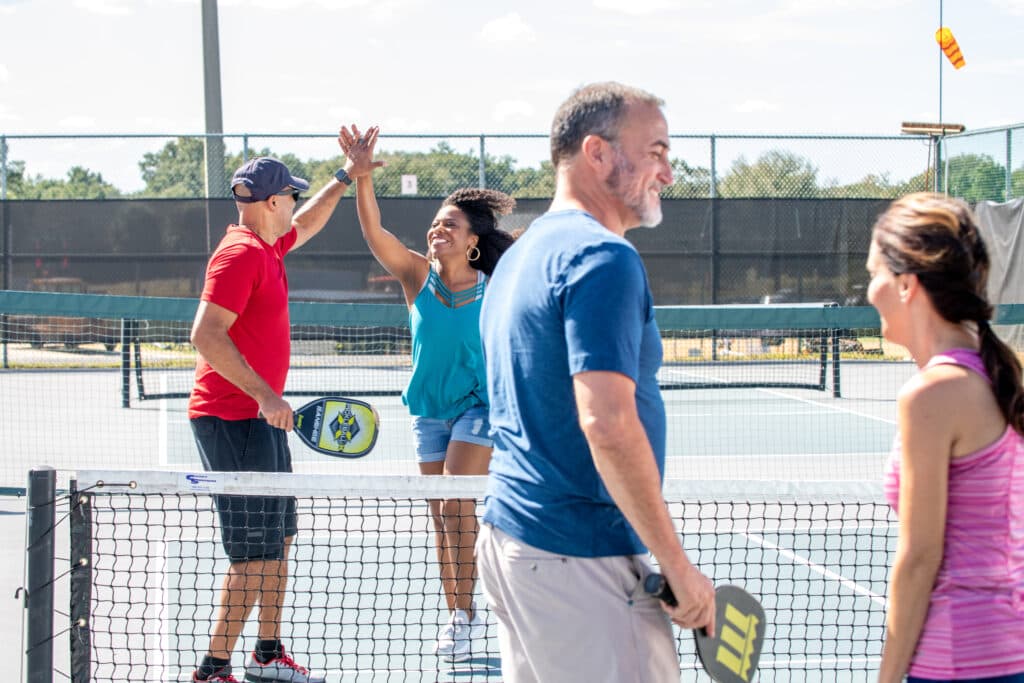
Starting a club in crowded cities is less about perfect courts and more about consistent opportunities to play and a welcoming community. Follow these steps to convert available space, recruit players, and build a club that lasts.
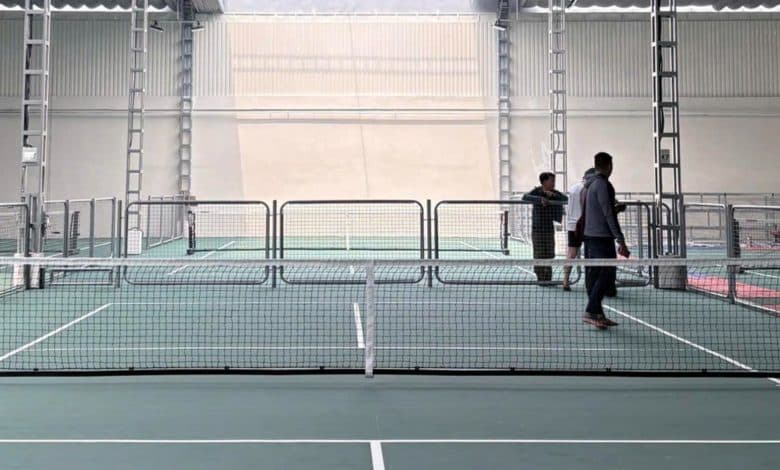
1. Find and convert a suitable space Identify underused or adaptable spaces such as badminton courts, parking lots, community halls, or small park areas and assess them for surface, size, and permission needs.
In dense Asian neighborhoods, badminton halls are often the easiest conversion because dimensions are similar and can accept temporary pickleball lines; parking lots can work for pop-up sessions with portable nets if you confirm vehicle access times and safety. Obtain venue approvals early—speak to condo management, municipal parks departments, or private landlords about short-term trials and explain minimal impact (temporary tape lines, removable nets). For immediate starts, use temporary nets and chalk or removable tape for lines while you prove regular attendance and negotiate long-term access.
2. Gather minimal starter equipment Start lean: a small set of loaner paddles, a few practice balls, and one portable net will get you playing and serve as a low-barrier entry point for newcomers.
Keep a basic kit that travels: 4–6 paddles, 6–8 balls, a net, a pump (if needed), and a basic first-aid kit; store duplicates in lockers or ask members to chip in as membership grows. Scale gear as the club expands—purchase sets of club-branded paddles or invest in a second net once regular attendance justifies the cost. Label loaner gear and track usage to prevent loss; consider a small refundable deposit for pawning paddles if theft is a local concern.
3. Set a consistent schedule and rotation rules Pick one or two steady time slots—weekend mornings and weekday evenings are proven draws in urban Asia because of work schedules and weather—and stick to them to build routine attendance.
Use simple rotation rules to keep play fair: set match time limits (e.g., 15–20 minutes/round), run a winners-stay or round-robin board, or maintain a sign-up sheet with a four-player court limit to minimize waiting. Consistency matters: holding sessions at the same time and place each week converts curious drop-ins into regulars and makes planning partnerships and promotions much easier. Communicate cancellations or changes promptly through your messaging channel to maintain trust and avoid no-shows.
4. Create a club identity and messaging Pick a clear, friendly club name, and set up one or two easy-to-manage channels—WhatsApp or Telegram groups are ideal in Asia for quick scheduling, plus a basic social profile for discovery.
Use short, consistent messaging: how to join, what to bring, loaner gear availability, and basic rules; pin that information in the group and on any flyers. Club identity helps retention—consider a simple logo or color so members can spot organizers and gear at busy venues. Regular updates, member spotlights, and a welcoming tone turn one-off trial players into engaged participants.
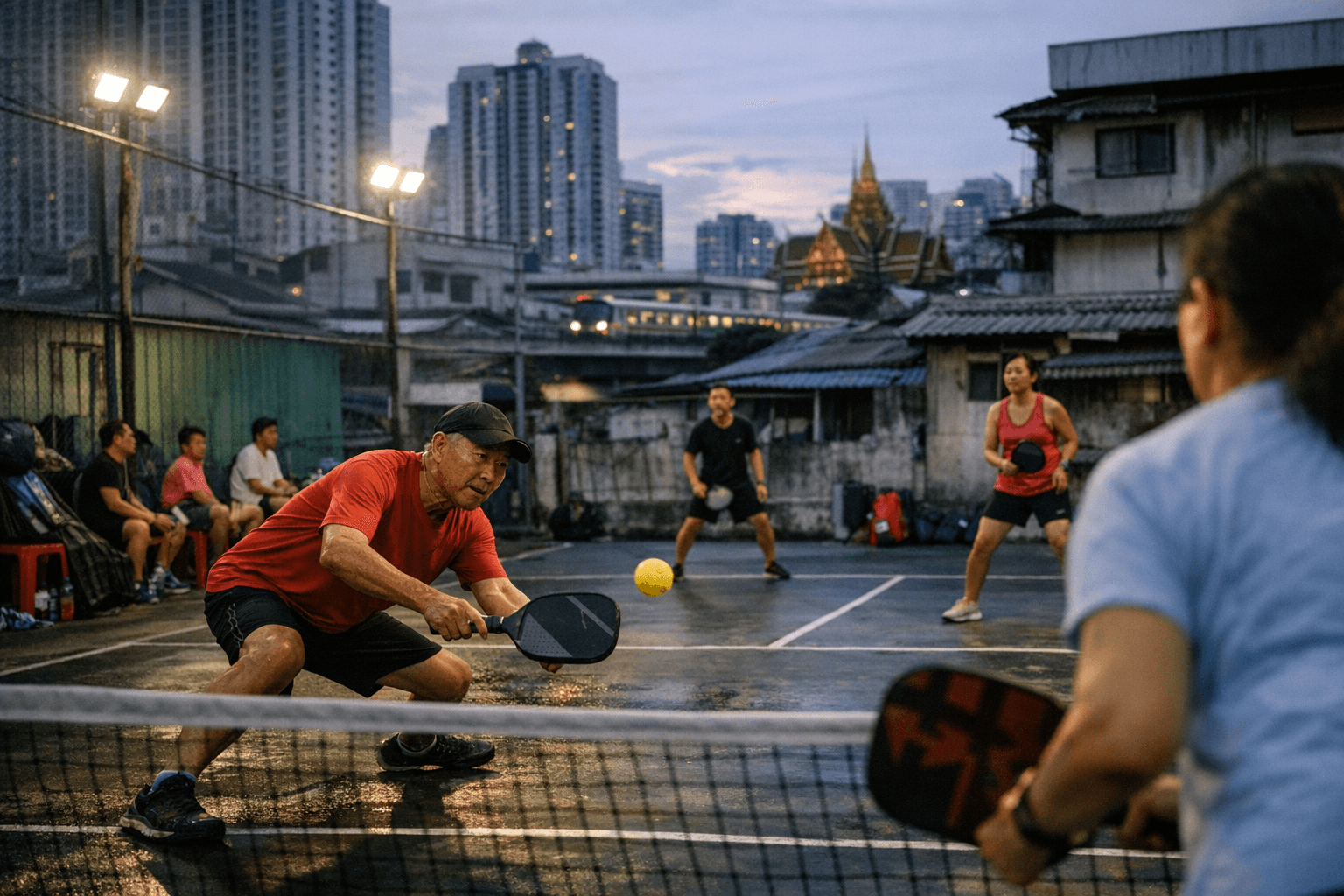
5. Build beginner-friendly onboarding Host regular intro clinics and “try pickleball” open houses to convert curiosity into commitment: run 45–60 minute beginner sessions covering basic shots, scoring, and rotation rules, and follow with open play using loaner equipment.
Make onboarding inclusive—offer low-cost or free first sessions, explicitly welcome all ages and genders, and create a buddy system where experienced players mentor newcomers. Track and follow up with attendees through your messaging group; a quick welcome message and reminder about the next session increase return rates dramatically. Emphasize fun and progression rather than competition in your early clinics to build a diverse membership base.
6. Use low-cost promotion to recruit members Deploy a mix of grassroots tactics to reach neighbors and workers: pin flyers on condo noticeboards, post at local cafes, share in community social media groups, and use simple posts in WhatsApp/Telegram community channels.
Host occasional free “open house” sessions targeted at families, expat groups, or corporate teams to showcase the sport and bring in larger numbers. Leverage local influencers such as condo managers, community volunteers, or gym instructors to spread the word. Keep materials clear about time, location, what to bring, and loaner gear to lower barriers to attendance.
7. Consider partnerships and funding options Partner with local businesses, sports retailers, or municipal recreation programs to access discounted gear, subsidized court time, or small sponsorships for events and clinics.
Approach cafes, sports shops, or physiotherapy clinics for cross-promotion or prize donations for social tournaments; share revenue from ticketed workshops or beginner courses when negotiating shared events. Municipal programs often have grants or space-use programs if you frame the club as community health and inclusion activity—collect attendance numbers and photos to strengthen proposals. Start with small, transparent financial models: a modest membership fee or drop-in charge can cover equipment replacement and basic insurance without turning the club into a commercial enterprise.
Consistency, inclusion, and small wins matter more than perfection. Launch with minimal gear, a steady schedule, and clear channels for communication; use beginner-friendly events to grow membership and predictable partnerships to fund gradual upgrades. With patient, community-focused work you’ll turn temporary lines and a borrowed net into a thriving local pickleball scene.
Sources:
Know something we missed? Have a correction or additional information?
Submit a Tip