How to start FPV drone racing: practical gear, safety, and training
Practical primer for new FPV racers covering gear, safety, practice, and race rules.

Getting into FPV drone racing means balancing hardware choices, safety habits, and seat time. Start with a clear equipment baseline, practice plan, and an understanding of race rules so you arrive at your first event with confidence and a working spare parts kit.
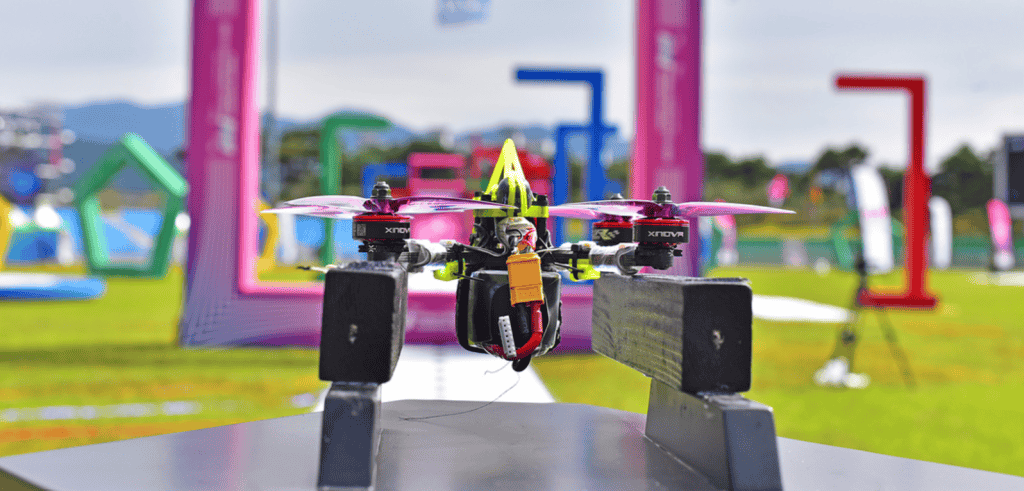
Most club and open races run on 5 inch racing quads, so build around a durable 5" frame, 5" props, and brushless motors matched to your battery choice. For 4S setups pick motors in the 2206-2307 range; for 6S go toward 2207-2407 sizes. Choose an ESC that supports the voltage and current your motor and battery selection require, and use a flight controller running Betaflight, Butterflight, or a comparable stack familiar to most race pilots. A reliable radio with 4-8 channels and quality hall or MLV gimbals will speed progression and reduce frustration in tight maneuvers.
Video and control choices shape costs and rule compliance. Analog video transmitters and analog goggles remain the lower-cost, competition-proven option and are still widely accepted at club events. Digital HD systems give a clearer picture and are growing in use; plan budget and check league rules before investing. Recordable HD setups can accelerate learning when you review OSD telemetry and video to refine lines and throttle inputs.
Battery safety is non-negotiable. Use an approved LiPo charger, charge inside a fireproof bag, and store packs long term at 3.8-3.85 V per cell. Inspect packs after any hard crash and replace cells or the entire pack when swelling or internal damage appears. Pre-flight checks should include props tight, antenna secure, and failsafe configured.

Practice smart to protect your wallet and build muscle memory. Start in a simulator such as VelociDrone, DRL Simulator, or Rocket Drones to learn track lines and practice gates. Move to indoor whoops or tiny whoops to work proximity, orientation, and throttle control without risking a full-size race quad. When you can fly aggressive lines and maintain orientation consistently, step up to a 5" racing setup.
Race prep means reading the organizing league’s rulebook for class limits, motor and prop restrictions, battery rules, and transponder requirements. MultiGP is the most active amateur and chapter-based league and publishes class resources used across the community. For international-style events consult FAI CIAM documents and national club pages for world-cup level standards and event bulletins. Join a local MultiGP chapter, club, or Discord group for coached practice, race-day setup help, and access to sanctioned events and pickup races.
Practical habits keep you flying. Keep a labeled spares kit with props, spare motors, screws, and roughly 20-30 percent of a full parts list on hand. Tune PIDs and filters conservatively after crashes. Record flights to review lines and revise practice drills. With a simulator-first approach, careful battery practices, and local chapter support, you’ll save money, reduce downtime, and be race-ready faster.
Sources:
Know something we missed? Have a correction or additional information?
Submit a Tip