How to Travel, Stay Safe, and Access Services on North Slope
Travel and daily life across the North Slope Borough depend heavily on air travel, resilient local health services, and deep Iñupiat subsistence traditions. Residents and visitors should plan for severe winter weather, limited commercial services in villages, and potential delays in emergency transport that affect health and community wellbeing.
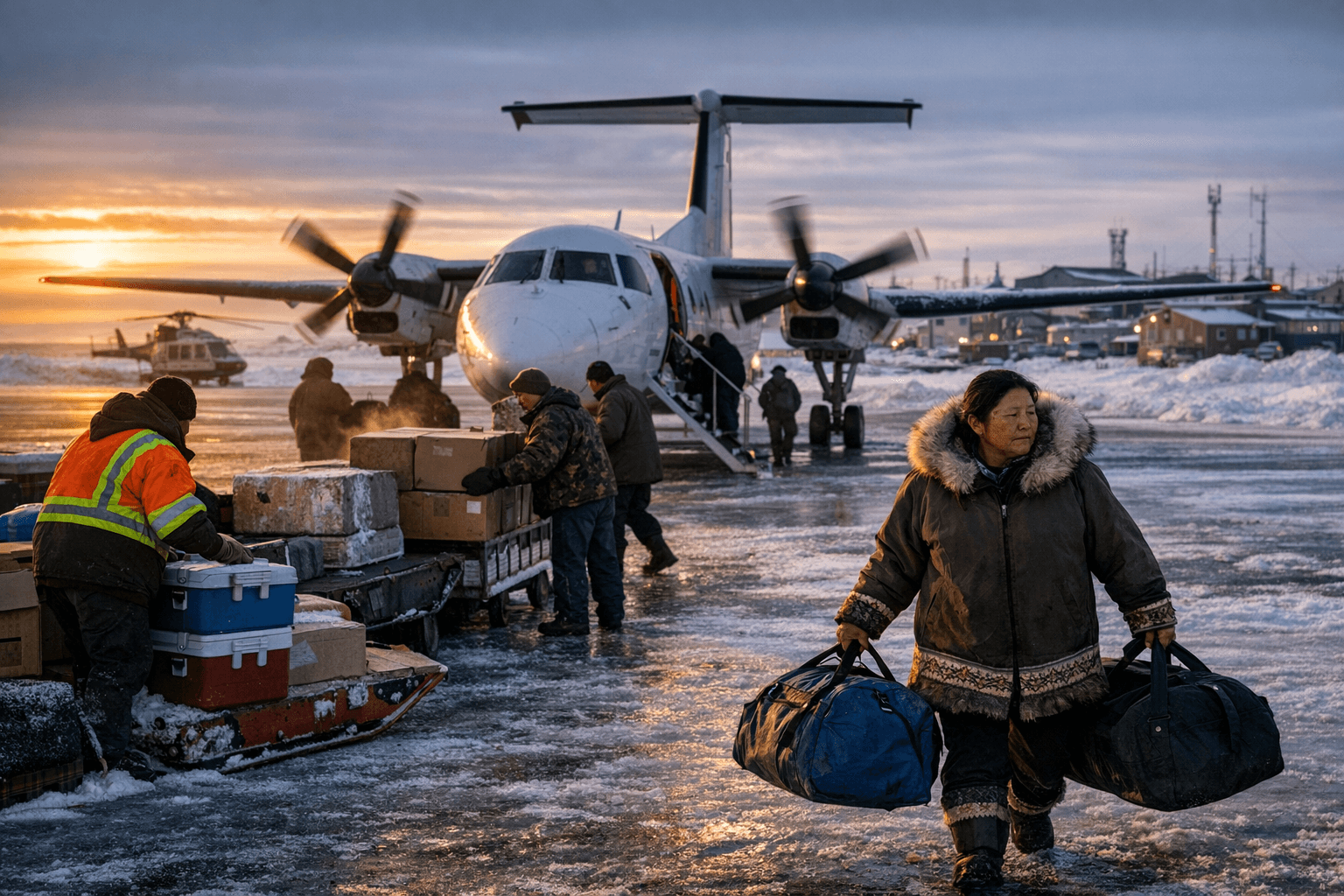
Most travel to North Slope communities is by air, and Wiley Post–Will Rogers Memorial Airport in Utqiaġvik (BRW) is the primary commercial gateway for residents and visitors. Deadhorse and Prudhoe Bay airfields serve mainly industrial traffic, and many village trips rely on scheduled or charter flights that are subject to weather and cargo priorities. Confirm flights and cargo schedules well in advance to avoid being stranded, and plan flexible itineraries when traveling between Utqiaġvik, Prudhoe Bay/Deadhorse, Point Hope, Wainwright, and Nuiqsut.
Weather shapes nearly every aspect of life on the slope. Utqiaġvik experiences polar night through much of late December and January, and winters bring extreme cold, dangerous wind chill, and icing conditions. These factors require specialized travel planning, cold-weather clothing, and vehicle and aircraft preparations. Limited daylight and fast-changing conditions increase the risk of travel disruptions and injuries, and they can hamper emergency response times.
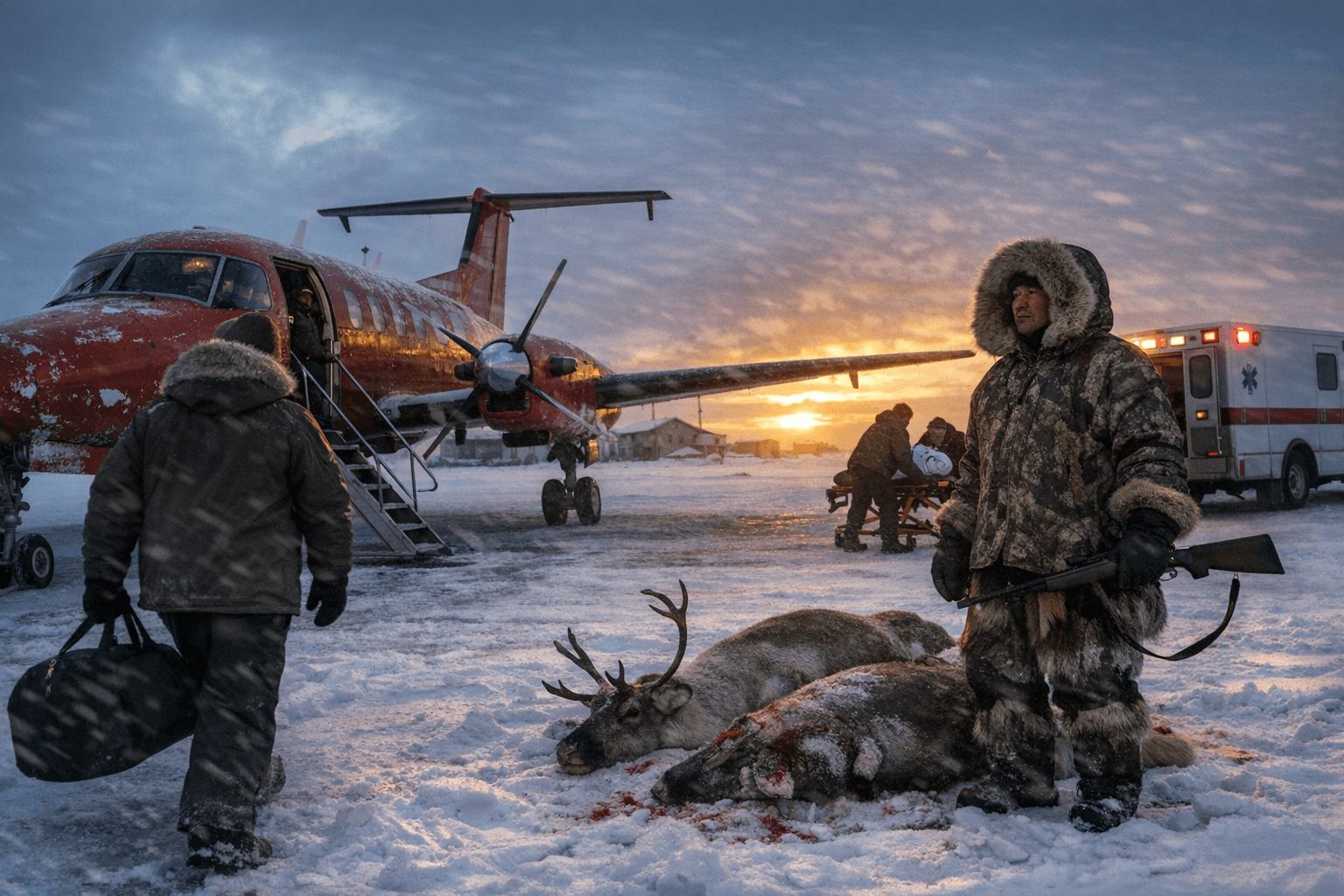
Emergency and health services are provided primarily by North Slope Borough programs and tribal health organizations, which offer routine care and emergency stabilization in local facilities. For serious or specialized cases, medevac transport to larger regional hospitals in Fairbanks or Anchorage is the standard. Reliance on medevac creates a vulnerability for timely access to definitive care, particularly during storms or periods of limited visibility. This dynamic highlights ongoing public health concerns about rural health equity and the need to strengthen local capacity and reliable transport options.
The North Slope is home to predominantly Iñupiat communities where subsistence whaling, fishing, and hunting remain central to culture and food security. These practices are not only a source of nutrition but also of social and spiritual wellbeing. Visitors should respect local protocols and the cultural significance of subsistence activities. Policies and services that affect hunting access, food storage, or transport have direct consequences for community health and resilience.
Local government, led by the North Slope Borough mayor and assembly, coordinates infrastructure and essential services across the borough’s vast footprint. Residents contend with limited commercial services in many villages, intermittent or constrained internet and communications, and high costs for goods and freight. These conditions affect access to telehealth, education, and economic opportunity, reinforcing long-standing disparities between rural Arctic communities and urban centers.
Practical preparation reduces risk: pack appropriate cold-weather clothing and emergency supplies, verify travel plans early, expect limited services in villages, and prepare for intermittent communications. For residents and visitors alike, planning with attention to weather, health service limitations, and cultural respect can improve safety and support community wellbeing during the harsh winter months.
Know something we missed? Have a correction or additional information?
Submit a Tip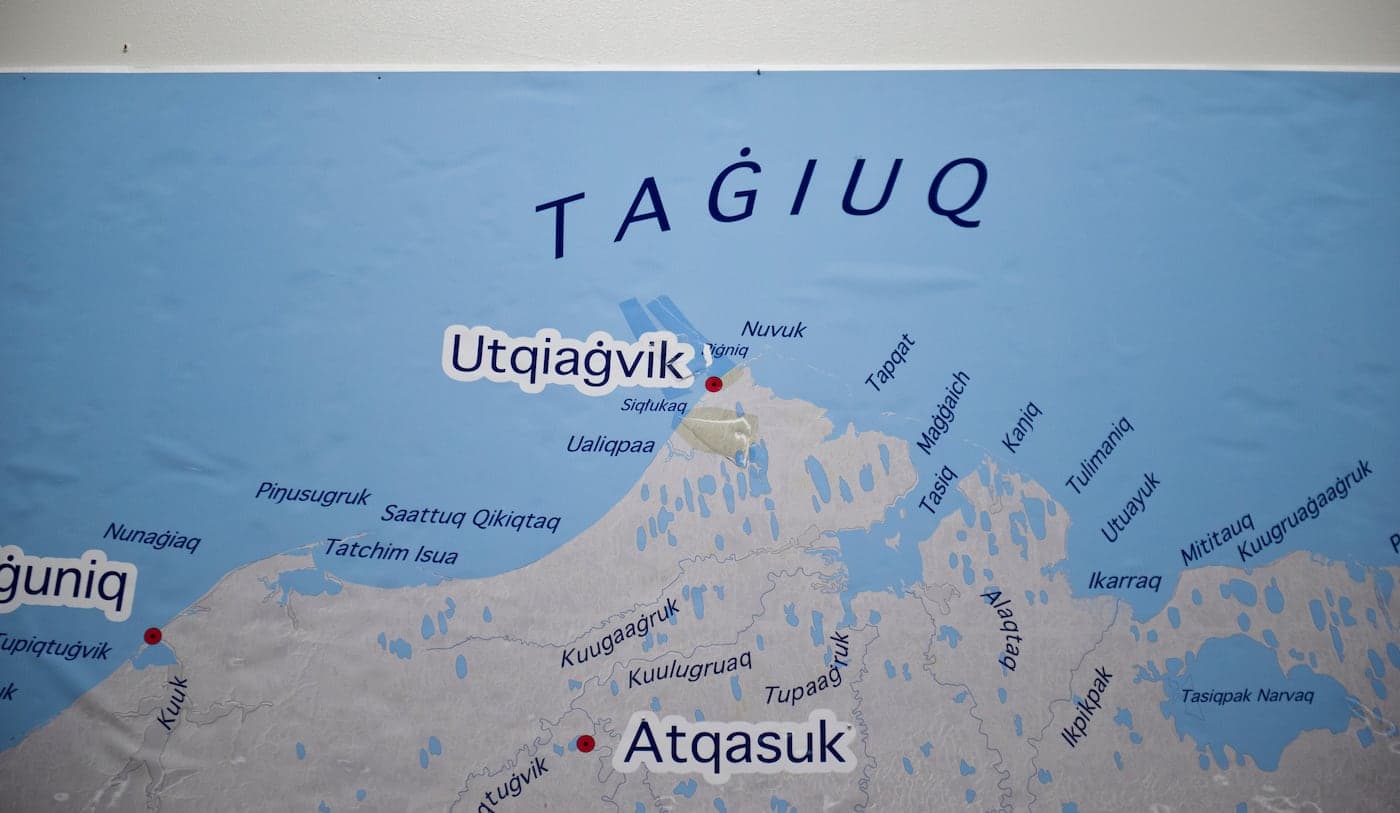
%3Aquality(70)%2Fcloudfront-us-east-1.images.arcpublishing.com%2Fadn%2FF7TKLQBGCZG45OATFMBSQEKIA4.jpg&w=1920&q=75)