Utqiaġvik's Role as North Slope Hub Shapes Travel and Services
Utqiaġvik, the largest community and seat of the North Slope Borough, serves as the primary hub for health care, government, education, commerce, and travel across the North Slope. Understanding limited transportation windows, seasonal freight patterns, and local cultural practices matters to residents and visitors because these factors shape access to medical care, supplies, and community life.
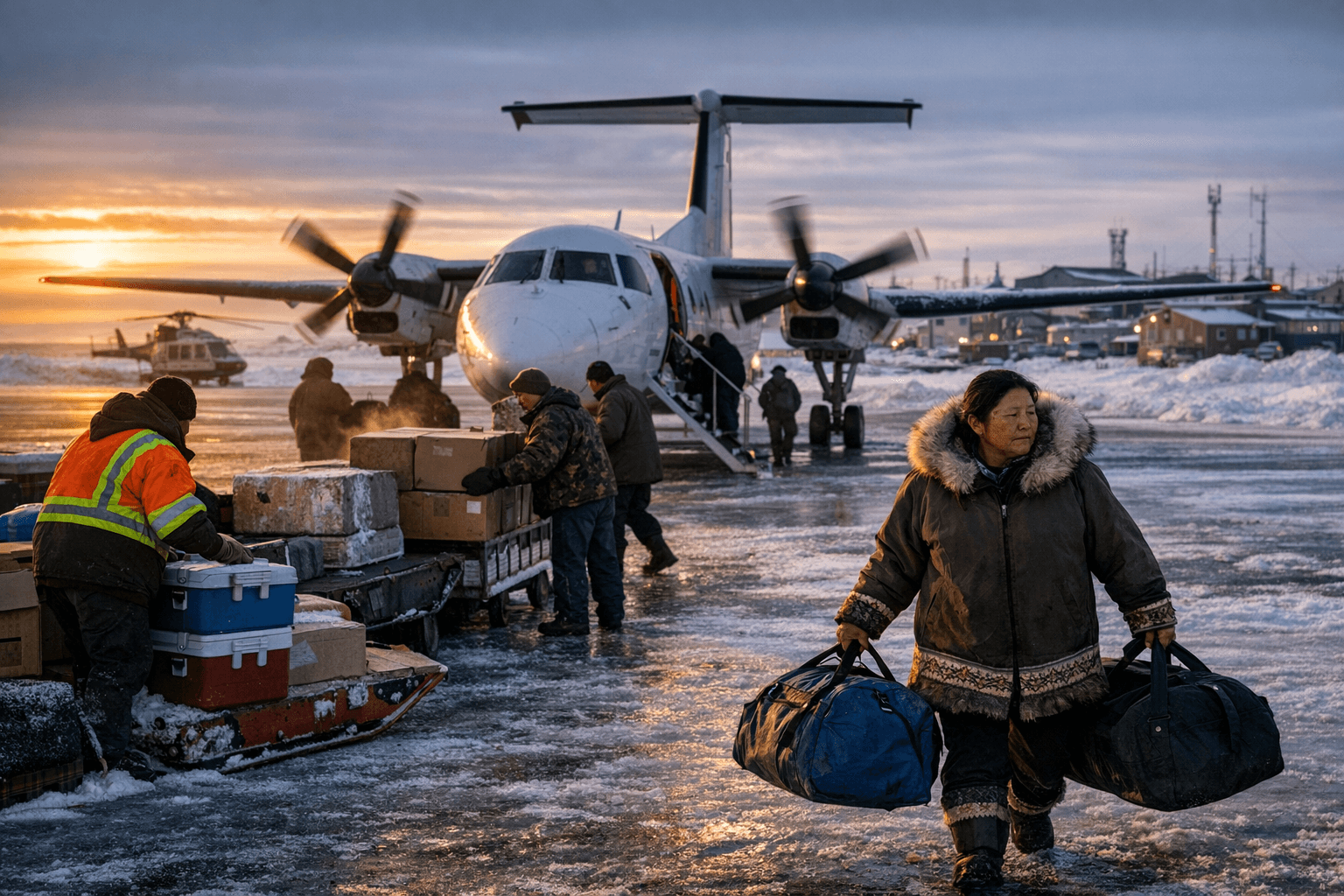
Utqiaġvik (formerly known as Barrow) is the northernmost municipality in the United States and functions as the regional lifeline for surrounding North Slope communities. As the principal center for government services, education, commerce and hospital care, the town's infrastructure and seasonal rhythms directly affect public health, supply chains and daily life across the borough.
Most travel to Utqiaġvik is by scheduled flights into Wiley Post-Will Rogers Memorial Airport (BRW). Seasonal barge service carries freight, while road connections remain extremely limited; the Dalton Highway reaches North Slope oilfields but does not provide routine access to village centers. Those transportation constraints mean that residents and service providers must plan logistics well in advance. Weather and limited flight availability create narrow travel windows that can delay patient transfers, delivery of medical supplies and arrival of fuel and food staples.
Samuel Simmonds Memorial Hospital in Utqiaġvik is the primary regional health facility for North Slope residents. For specialized care beyond local capabilities, emergency medevac operations are relied upon. That reliance highlights broader health equity concerns: timing and cost of air transport, periodic flight disruptions and intermittent connectivity during fiber outages can limit access to telehealth and specialist consultation. These structural limitations disproportionately affect rural and Indigenous residents who already face higher barriers to care.
The community sustains strong cultural institutions that shape daily life. The Iñupiat Heritage Center and local museums and community centers host exhibits, seasonal dances and educational programs that preserve Inupiaq language, culture and subsistence practices. Researchers also frequently work at the Barrow Arctic Research Center and other facilities; public events associated with scientific activity may be limited, but research presence is a constant element of local life.
For visitors, summer brings milder weather and nearly 24-hour daylight while winter brings polar night with extended periods of little to no direct sunlight. Dress for extreme cold in winter with layered, insulated clothing, and respect subsistence patterns and local rules around harvesting and wildlife. Coordinate with local leaders if participating in subsistence activities to avoid disrupting traditional practices and to support community stewardship.
Operational realities in Utqiaġvik—seasonal freight by barge, constrained flight schedules, medevac dependence and periodic connectivity outages—carry public health and community resilience implications. Residents, health providers and policymakers must factor those realities into emergency planning, medical staffing, supply logistics and infrastructure investments. For current flight schedules, weather warnings or community notices, confirm information with North Slope Borough offices, village pages and airline schedules before travel.
Know something we missed? Have a correction or additional information?
Submit a Tip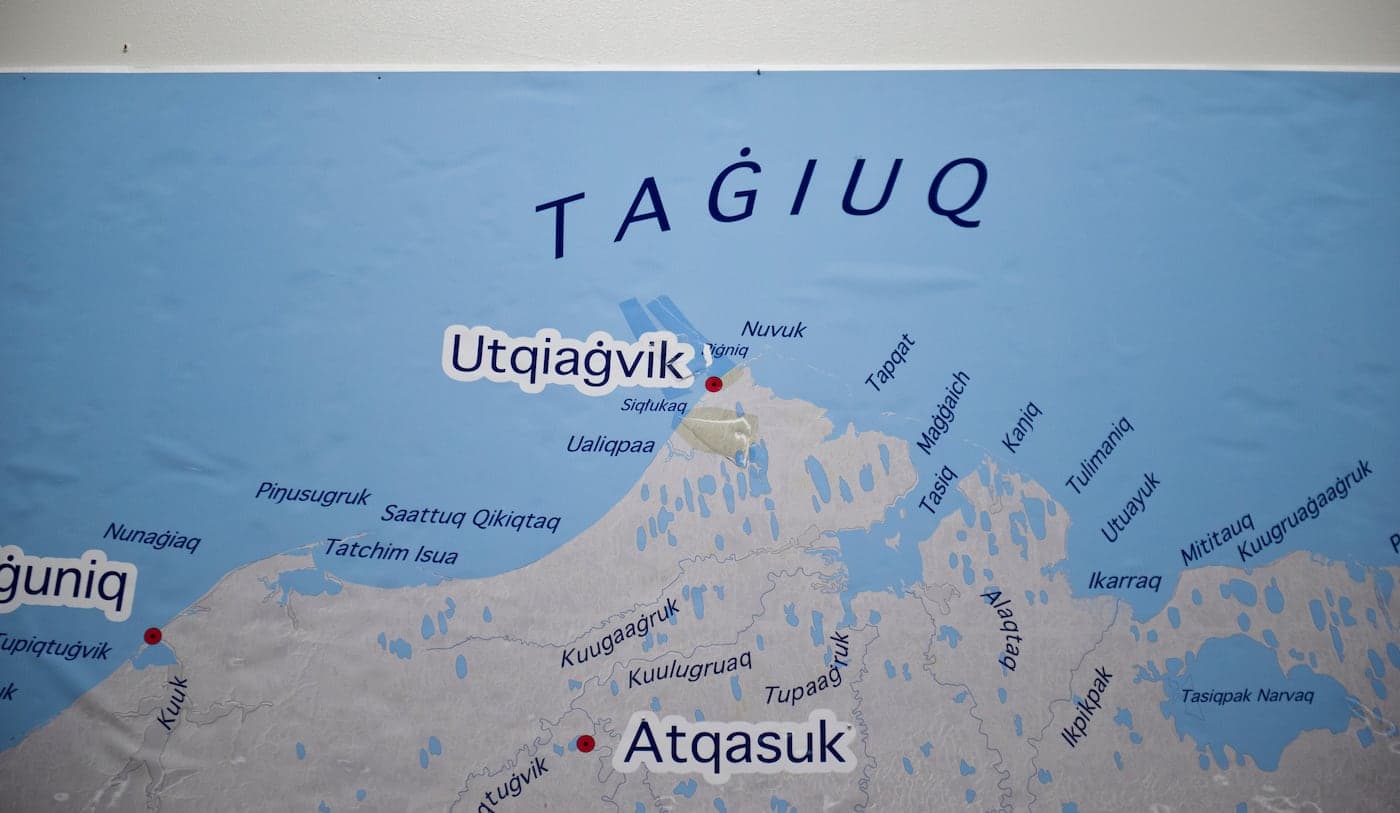
%3Aquality(70)%2Fcloudfront-us-east-1.images.arcpublishing.com%2Fadn%2FF7TKLQBGCZG45OATFMBSQEKIA4.jpg&w=1920&q=75)