Sharp Caribou Declines Threaten North Slope Subsistence and Health
The Alaska Department of Fish & Game announced this week that two Arctic caribou herds have dropped sharply in the latest counts, with the Porcupine herd falling from about 218,000 to roughly 143,000 animals and the Central Arctic herd declining to about 26,600. The losses raise immediate concerns for subsistence hunters, food security, and community health across the North Slope while scientists work to understand complex ecological drivers.
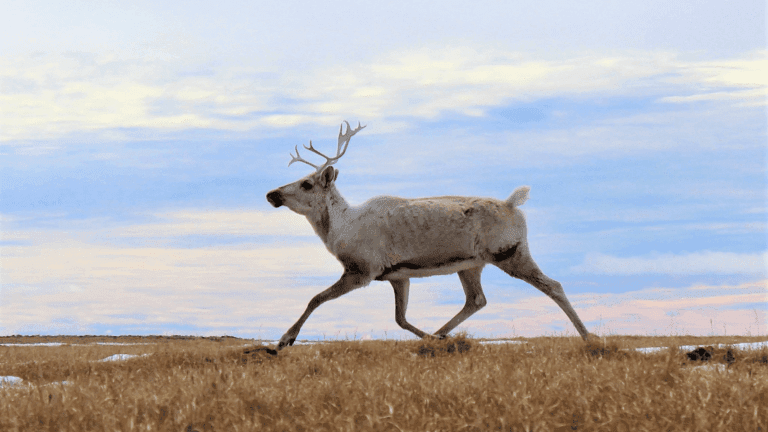
State wildlife managers reported this week that counts for two major Arctic caribou herds show steep declines. The Porcupine herd fell from roughly 218,000 animals to about 143,000, a drop on the order of 30 percent. The Central Arctic Caribou Herd, which migrates through parts of the central North Slope near Deadhorse and sustains hunters from communities such as Nuiqsut and Anaktuvuk Pass, declined by more than 20 percent to about 26,600 animals.
Biologists with the Alaska Department of Fish & Game identified lower calf survival and reduced parturition among younger cows as key signals in the recent surveys. Experts contend there is no single cause driving the downturn. Nutrition, predation and other ecological pressures are all plausible contributors, and researchers expect a few more years of decline before numbers might stabilize.
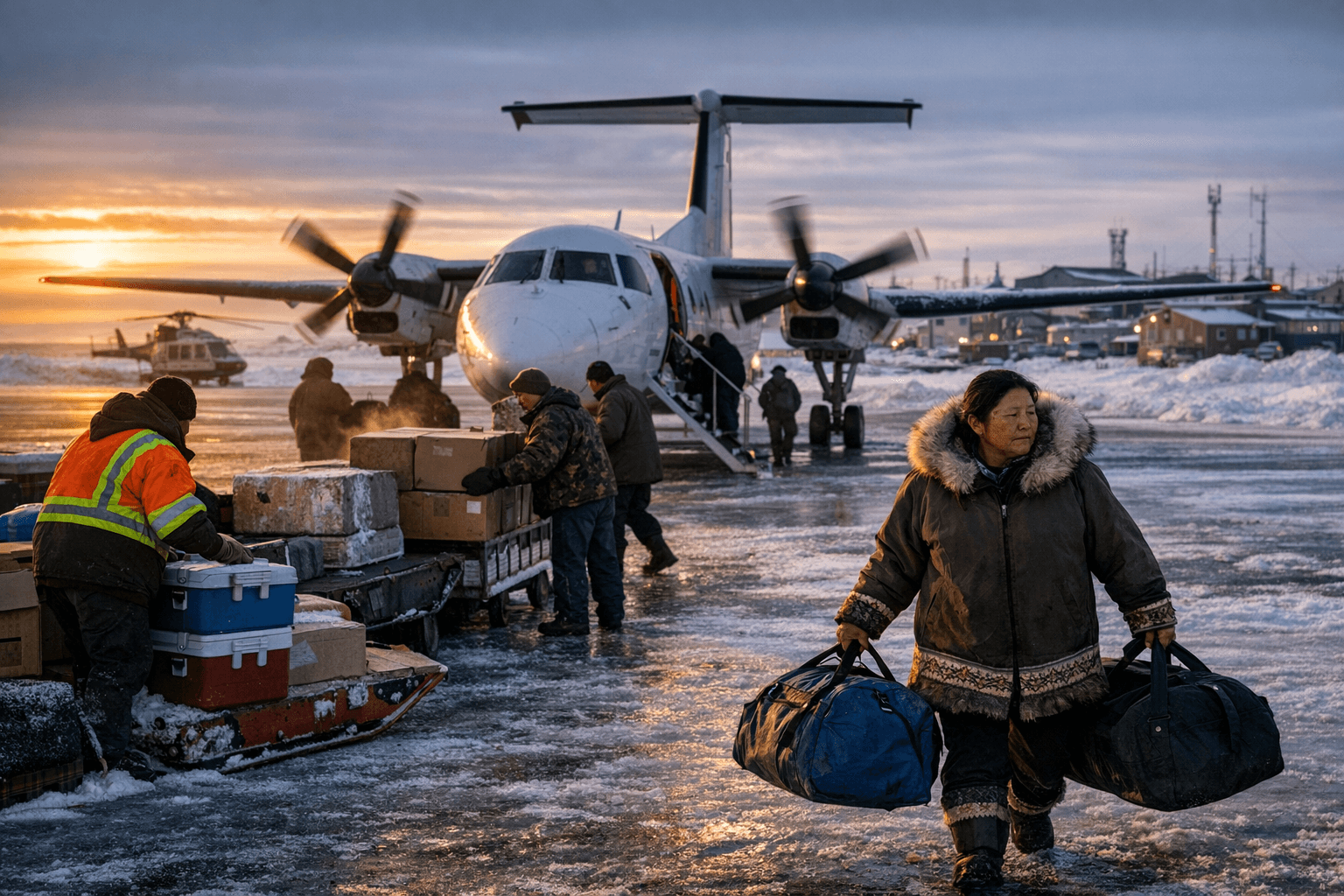
For North Slope residents, these population shifts are not abstract statistics. Caribou remain a central food source, cultural touchstone and economic buffer for communities across the region. Reduced herds translate into greater uncertainty for subsistence harvests, potentially increasing reliance on store-bought foods that are costly and often less nutritious. That pattern can worsen chronic health disparities already present in rural Arctic communities, including rates of diet-related disease and food insecurity.
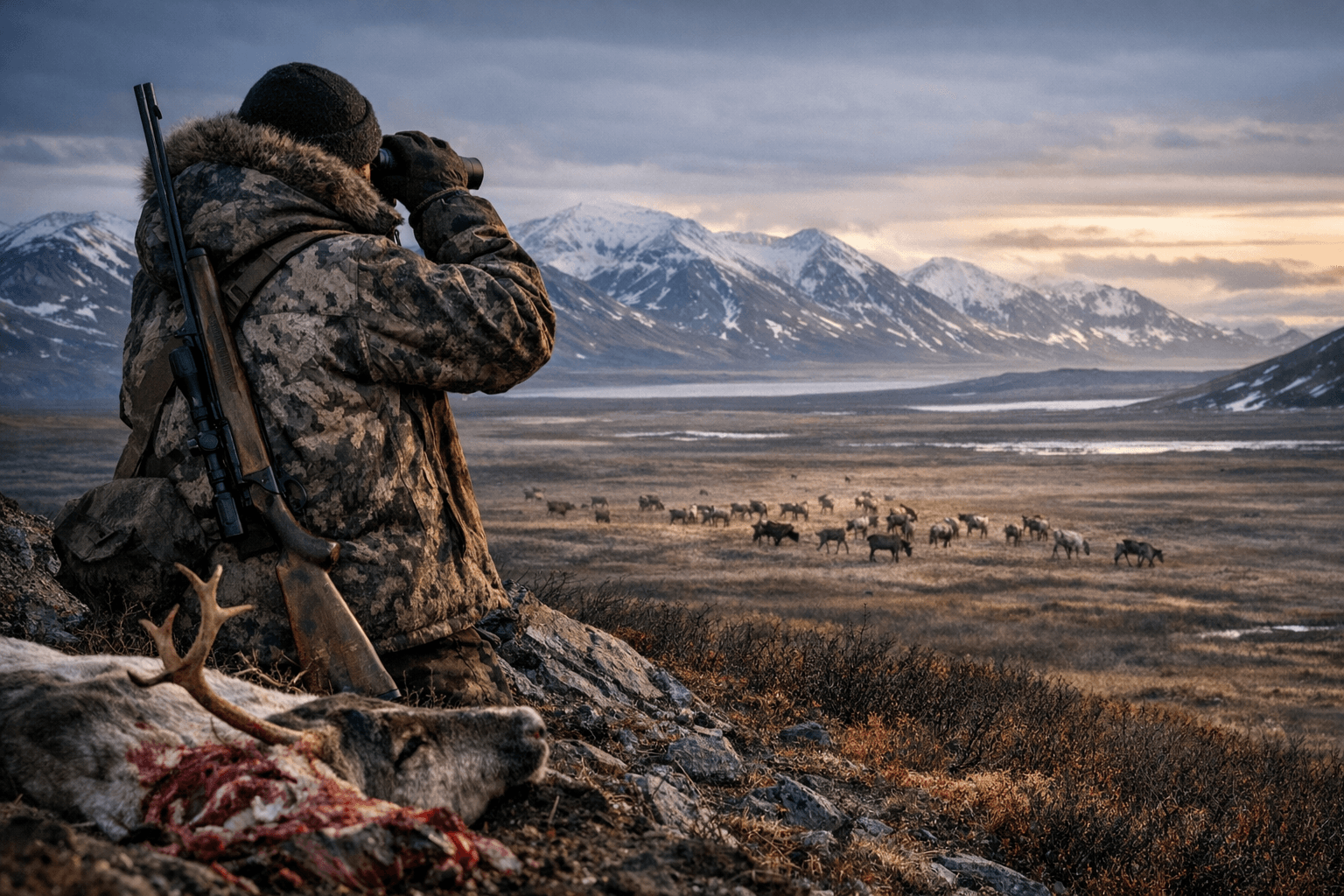
Local leaders and hunters may face difficult decisions if declines continue. The department noted that the new counts do not automatically trigger immediate changes to hunting regulations, but monitoring will guide future policy choices. Adaptive, community-informed management will be essential to balance conservation goals with the subsistence rights and cultural needs of Indigenous and rural residents.
The reported declines also fit within longer-term Arctic trends observed by scientists over recent decades, underscoring the complexity of northern ecosystem change. For communities on the North Slope, the implications extend beyond wildlife management to public health, cultural continuity and economic resilience. Sustained monitoring, investment in local capacity for harvest and storage, and inclusive policymaking that centers subsistence voices will be critical if the region is to weather further declines and safeguard food sovereignty for future generations.
Sources:
Know something we missed? Have a correction or additional information?
Submit a Tip
%3Aquality(70)%2Fcloudfront-us-east-1.images.arcpublishing.com%2Fadn%2FF7TKLQBGCZG45OATFMBSQEKIA4.jpg&w=1920&q=75)