Hundreds gather in Bemidji and Grand Rapids after ICE shooting
About 300 people held a candlelight vigil at Paul Bunyan Park in Bemidji for Renee Good, reflecting regional concern over immigration enforcement and public safety.
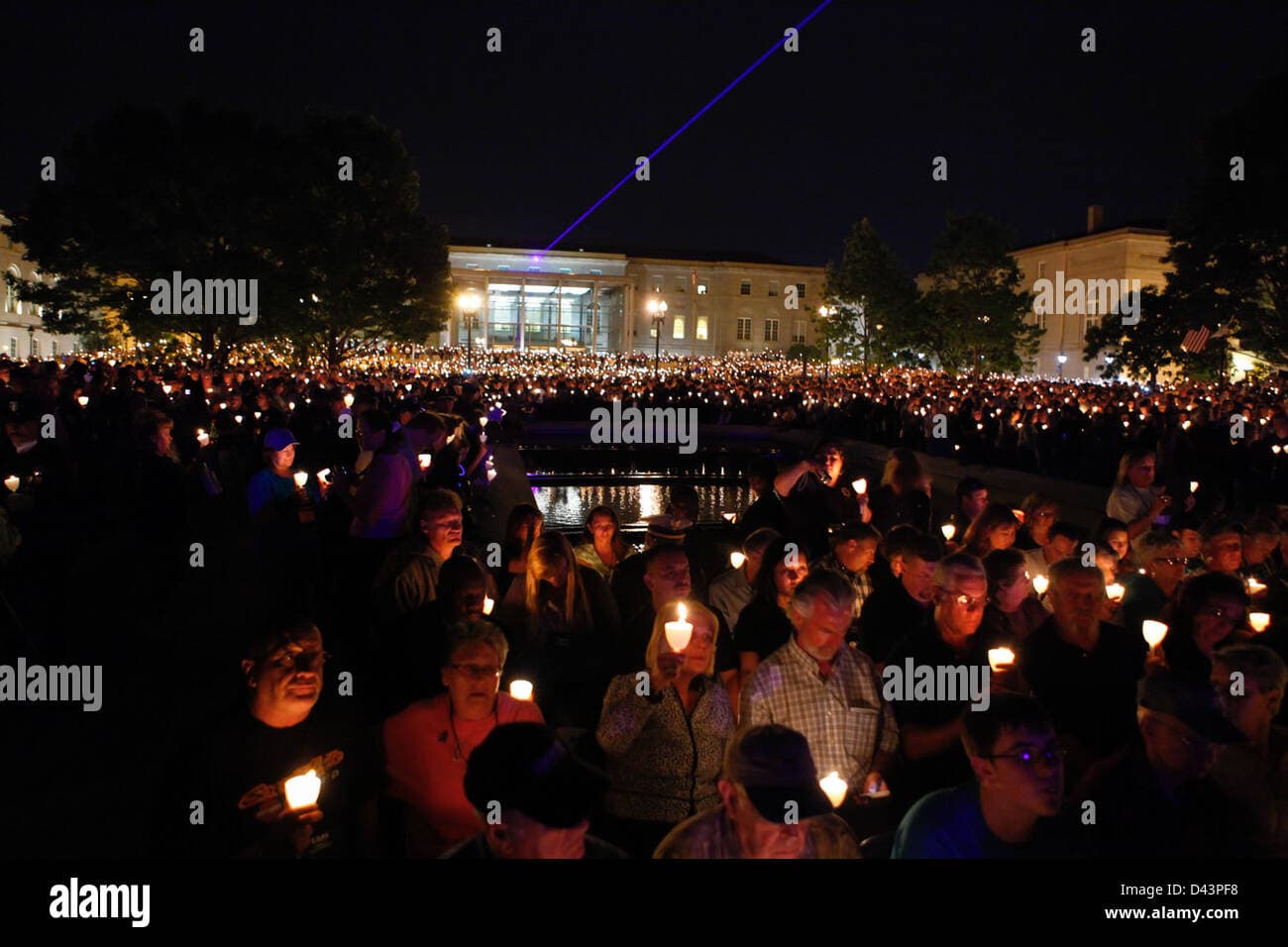
About 300 people gathered Friday evening at Paul Bunyan Park in Bemidji for a vigil honoring Renee Good, the Minneapolis woman shot and killed by an Immigration and Customs Enforcement agent on Jan. 7. The event brought music, spoken-word poetry and a lantern ceremony on the frozen surface of Lake Bemidji, drawing a mixture of local residents and visitors concerned about the incident and its implications for law enforcement practices.
The Bemidji gathering was one of several demonstrations across northern Minnesota. Organizers estimated roughly 350 people attended a rally in Grand Rapids the same day, and an indoor memorial took place in Brainerd. Community-led vigils in smaller towns and rural areas underscored a regional response that reached beyond the Twin Cities and highlighted how national immigration enforcement actions resonate in northwoods communities.
For Beltrami County, the rallies matter on several levels. Paul Bunyan Park is both a civic gathering place and a driver of local foot traffic during winter recreation; hosting a high-profile vigil there concentrated attention on the community and on how residents want public safety handled. Local businesses near downtown Bemidji experienced increased pedestrian activity during the event, while municipal leaders and service providers face questions about balancing public demonstrations with daily commerce and park access.
The protests also underline broader policy and social issues that affect rural areas. Cooperation between federal immigration authorities and local law enforcement has long been a point of debate; episodes that result in fatalities intensify scrutiny of that cooperation, oversight mechanisms and transparency. For residents who rely on seasonal industries, tourism and small business, disruptions are not only symbolic—they can influence perceptions of safety and local climate for customers and employees.
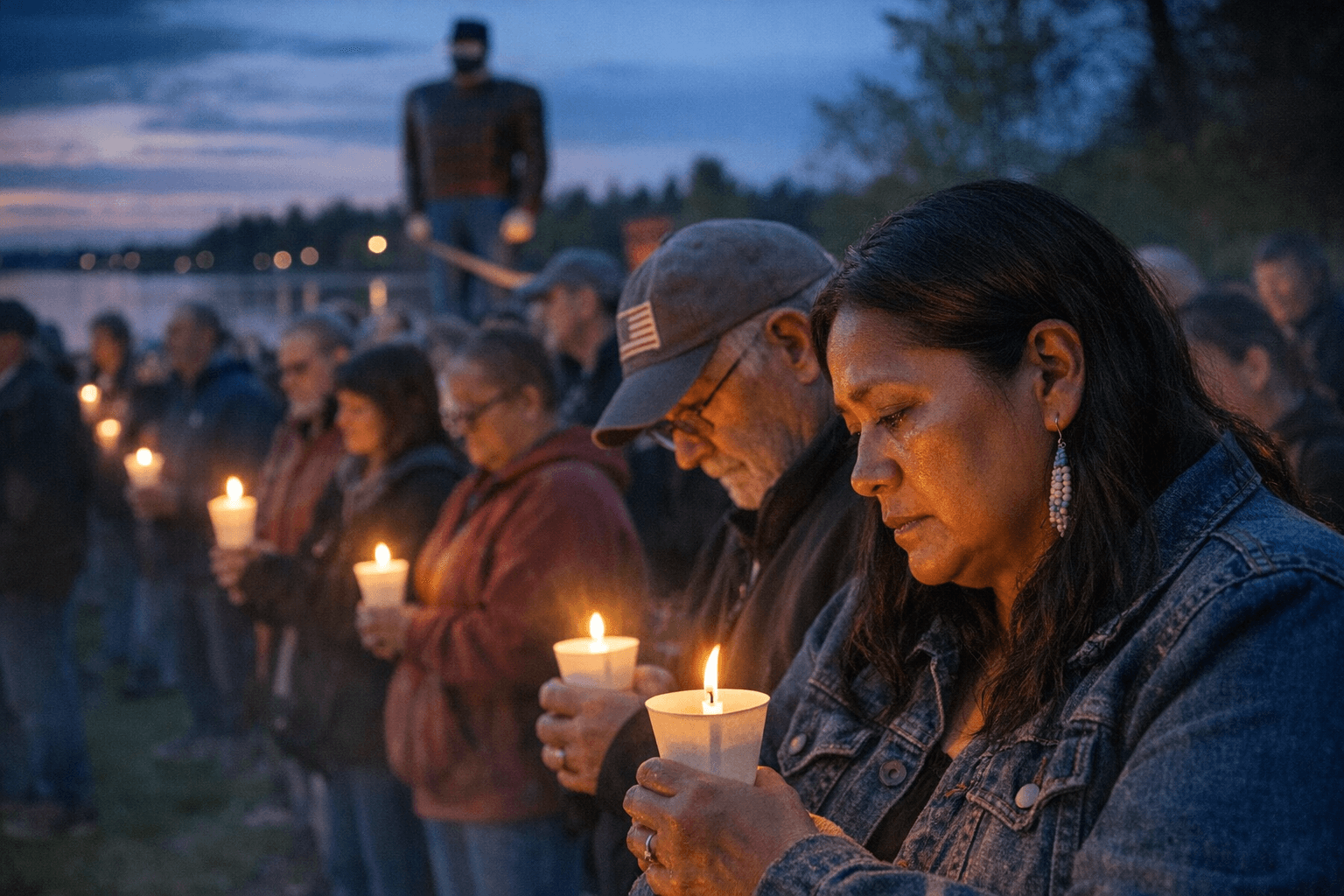
Statistically, gatherings of several hundred in cities the size of Bemidji and Grand Rapids represent a significant civic turnout. The scale of these events signals sustained community engagement and suggests that policy conversations about immigration enforcement and oversight will continue to play out in county commission meetings, city councils and neighborhood forums in the weeks ahead.
The immediate aftermath is likely to include calls for information, public meetings and possible local resolutions or statements from elected officials. For families and neighbors processing a difficult week, community rituals such as lantern ceremonies and poetry readings offered a way to grieve together and to place local values at the center of a national issue.
Our two cents? If you want to stay involved, look for local city or county meeting notices, follow park-use advisories, and consider attending public forums so your perspective shapes how Beltrami County balances civic life, safety and federal-state relations going forward.
Sources:
Know something we missed? Have a correction or additional information?
Submit a Tip