IATA Warns Airlines Face Sustainable Fuel Shortfall, Profits Rise
The International Air Transport Association told industry officials on December 9 that production of sustainable aviation fuel is lagging far behind levels needed to meet airline pledges, and it warned that airlines are likely to miss pledged SAF usage goals in coming years. The warning came as IATA projected healthy airline profits for 2026, highlighting a growing divergence between commercial strength and the industry’s decarbonization challenge.
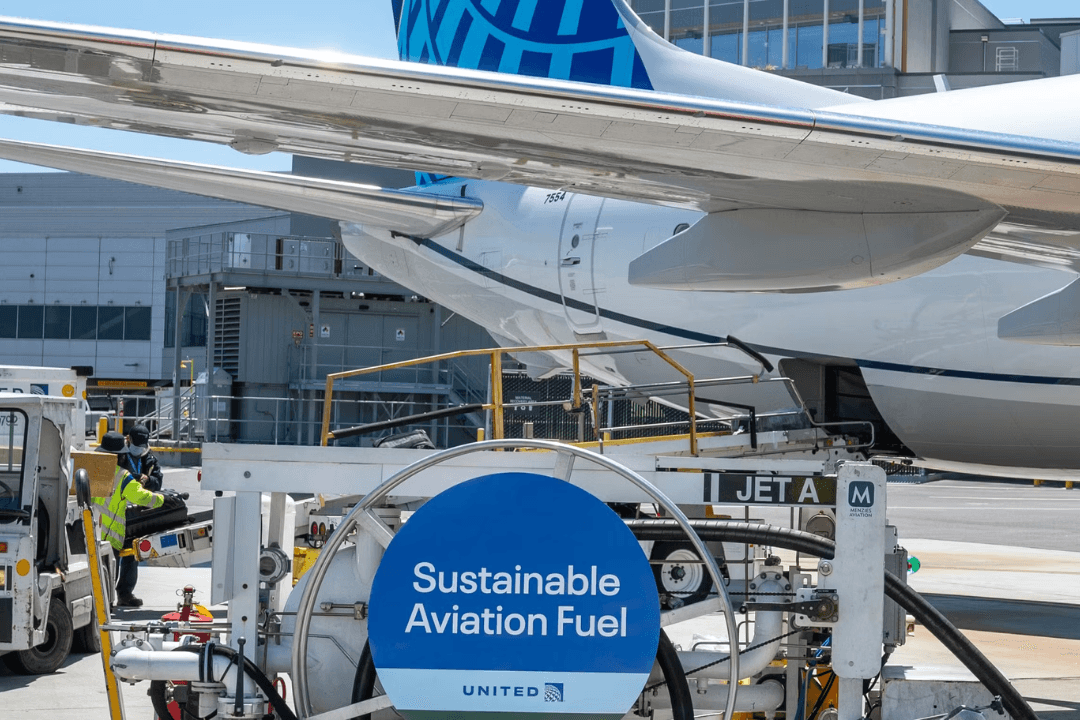
The International Air Transport Association told airline executives and journalists on December 9 that sustainable aviation fuel production is falling well short of the trajectory needed to meet industry commitments, and that regulatory and production bottlenecks are the principal constraints. IATA estimated that only a small fraction of global jet fuel demand will be met by SAF in 2026, and cautioned that many carriers are likely to miss the SAF usage targets they have publicly announced for the remainder of the decade.
The organization framed the shortfall as a supply chain and policy problem rather than one rooted in demand. IATA’s director general attributed the gap to limited production capacity and regulatory headwinds that include complex permitting, inconsistent sustainability definitions across jurisdictions, and slow investor response to new SAF projects. Those barriers, the association said, have kept output far below the levels airlines and policymakers have said will be required to decarbonize the sector.
At the same time IATA’s economic outlook for the airline industry was upbeat. The trade body projected healthy profits for carriers in 2026, driven by robust passenger demand, continued strength in business travel and a resilient cargo market. That commercial health contrasts sharply with the decarbonization gap, underscoring an uncomfortable choice for carriers between deploying expensive low carbon fuel or pursuing other compliance options such as offsets or slower reductions in emissions.
Market implications are immediate. Sustainable aviation fuel typically commands a premium to conventional jet fuel, and a tighter supply outlook may push SAF prices even higher, increasing operating costs for airlines that attempt to meet voluntary or regulatory blending targets. Carriers that cannot access SAF may face reputational pressure from customers and investors, and regulatory regimes could respond by tightening mandates or expanding subsidies to accelerate production.
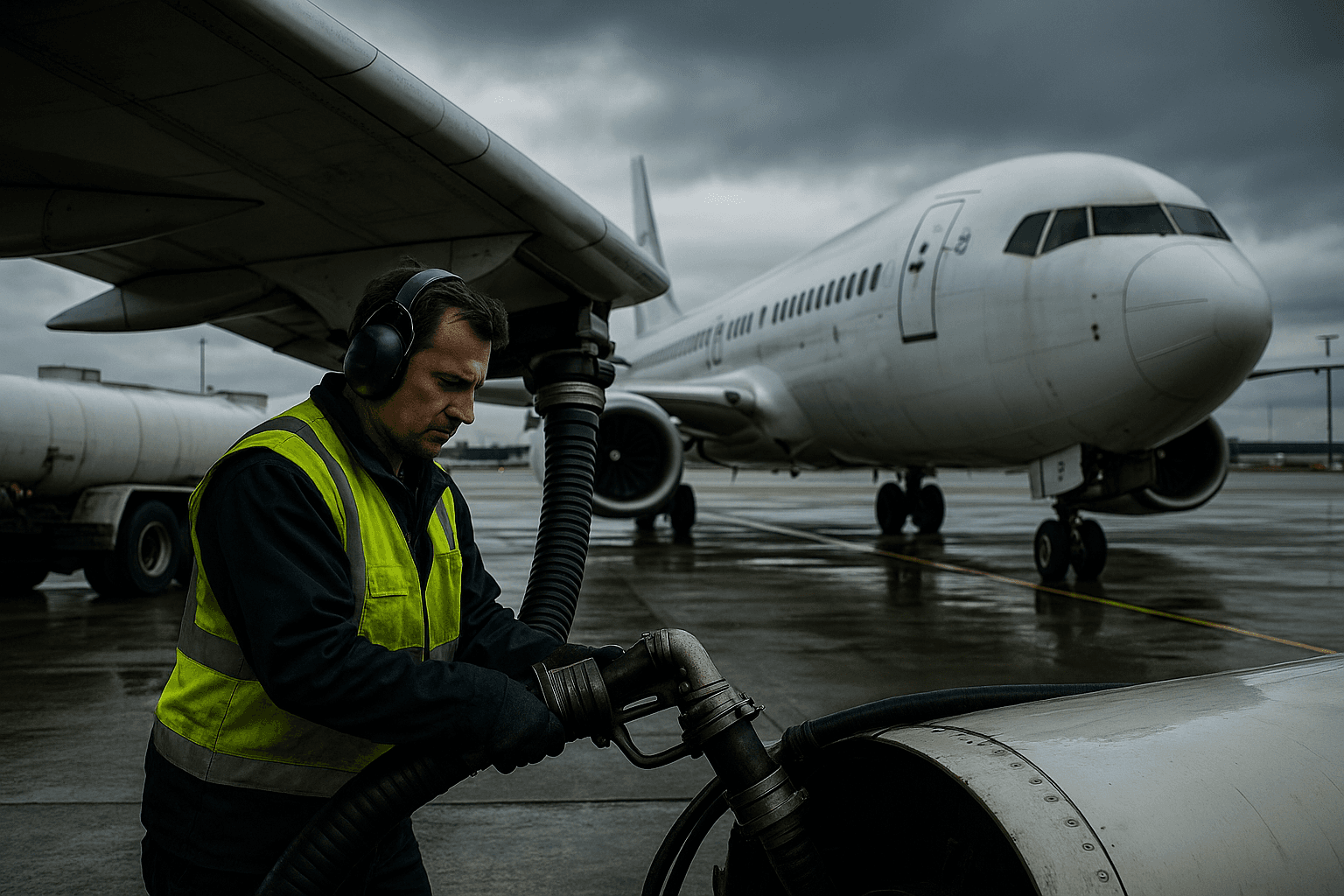
Policy responses are likely to shape how quickly the market adapts. Governments could streamline permitting, harmonize sustainability criteria, or extend financial incentives to attract capital into SAF plants. Conversely, a patchwork of national rules risks creating regional imbalances, with some airports and carriers gaining access to scarce low carbon fuel while others lag further behind.
The shortfall also reframes longer term technology choices. Scaling SAF production requires upstream investments in feedstock supply, refinery conversions and distribution infrastructure, and it will coexist with other pathways such as aircraft efficiency gains, electric short haul aircraft and hydrogen developments. How quickly those complementary technologies mature will affect the scale of SAF demand and the timeline for aviation emissions reductions.
For passengers and investors the immediate takeaway is clear. The airline industry may be commercially strong in the near term, but that strength does not guarantee a rapid transition to lower emissions. Unless regulators and investors move to remove production and policy barriers, airlines risk missing their green targets even as they report robust profits.
Sources:
Know something we missed? Have a correction or additional information?
Submit a Tip