Iceland Withdraws From Eurovision, Citing EBU Decision on Israel
Iceland's public broadcaster RÚV announced it would not participate in the 2026 Eurovision Song Contest in Vienna after the European Broadcasting Union chose to allow Israel to compete. The withdrawal adds momentum to a wave of broadcaster protests over the contest's handling of political pressures, and raises questions about the future of a pan European cultural institution.
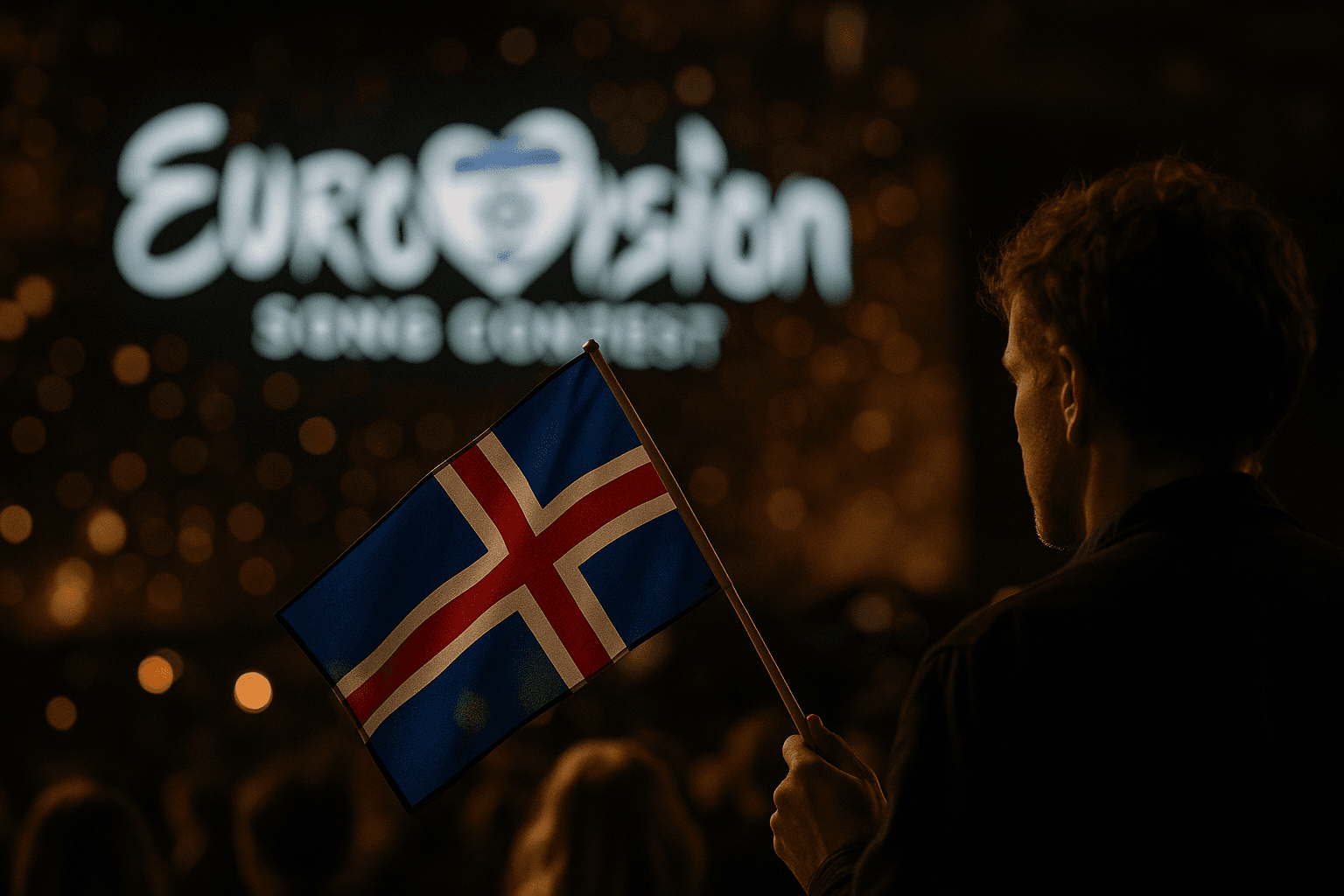
Iceland's national broadcaster RÚV announced on December 10, 2025 that it would not send an entrant to the 2026 Eurovision Song Contest in Vienna, citing fallout from the European Broadcasting Union decision to allow Israel to participate. The broadcaster said the intensity of public debate around the EBU ruling indicated participation would not bring "joy nor peace" and therefore it would forgo the contest next year.
The announcement followed similar moves by several other European broadcasters that have withdrawn their participation in recent weeks to protest Israel's inclusion amid the Gaza war. The EBU had recently adopted a package of rules meant to insulate the contest from government pressure, but it declined to put Israel's participation to a vote among members. That combination of new governance and a controversial discretionary decision has deepened divisions within the union of public broadcasters.
RÚV's withdrawal is notable on several levels. For a nation of 370,000 people, Eurovision is more than a television show, it is a cultural showcase and a pipeline for artists and songwriters to gain exposure across Europe. Iceland has cultivated a strong Eurovision pedigree that has helped local acts reach wider audiences and has become part of national identity. The broadcaster's decision therefore underscores a tension between cultural diplomacy and political solidarity that public media are increasingly forced to navigate.
From an industry perspective the withdrawals pose immediate commercial and operational questions. Eurovision is a major live television production that relies on broad participation to justify sponsorship, advertising and international broadcast rights. A chorus of absences could affect ratings calculations, the economics of staging the 2026 contest in Vienna and the perceived value proposition for broadcasters that remain. The EBU will need to weigh the short term costs of political decisions against the long term risk of fragmentation among its members.
Culturally the episode highlights the limits of a contest that has long portrayed itself as a space for unity and artistic celebration while repeatedly encountering geopolitical fault lines. The EBU's attempt to create rules insulating the contest from government interference was intended to preserve an apolitical forum, but the decision not to put Israel's participation to a vote has been read by some members as centralization of authority rather than neutral stewardship. That perception matters because trust between member broadcasters is central to a cooperative model of public media.
Broader social implications include a sharpening of debates over cultural boycotts and the responsibilities of public institutions during times of conflict. Boycotts are a form of expression, but they also deny artists and audiences a platform for exchange. For Eurovision itself the risk is reputational, as the contest may be seen less as a celebration of music and more as a theater of political choices.
The EBU faces a critical moment. How it responds to Iceland and other withdrawals will shape the union's governance, the commercial model for the contest, and the role of cultural events in mediating geopolitical disputes. As broadcasters, artists and audiences digest RÚV's announcement, the broader question is whether Eurovision can restore the perception of being a transnational public space or whether it will fracture into politicized blocs.
Sources:
Know something we missed? Have a correction or additional information?
Submit a Tip