ICJ begins Rohingya genocide hearings as Myanmar rejects allegations
Oral merits hearings at the ICJ open in The Hague as Myanmar calls The Gambia’s genocide case "flawed and unfounded in fact and law."

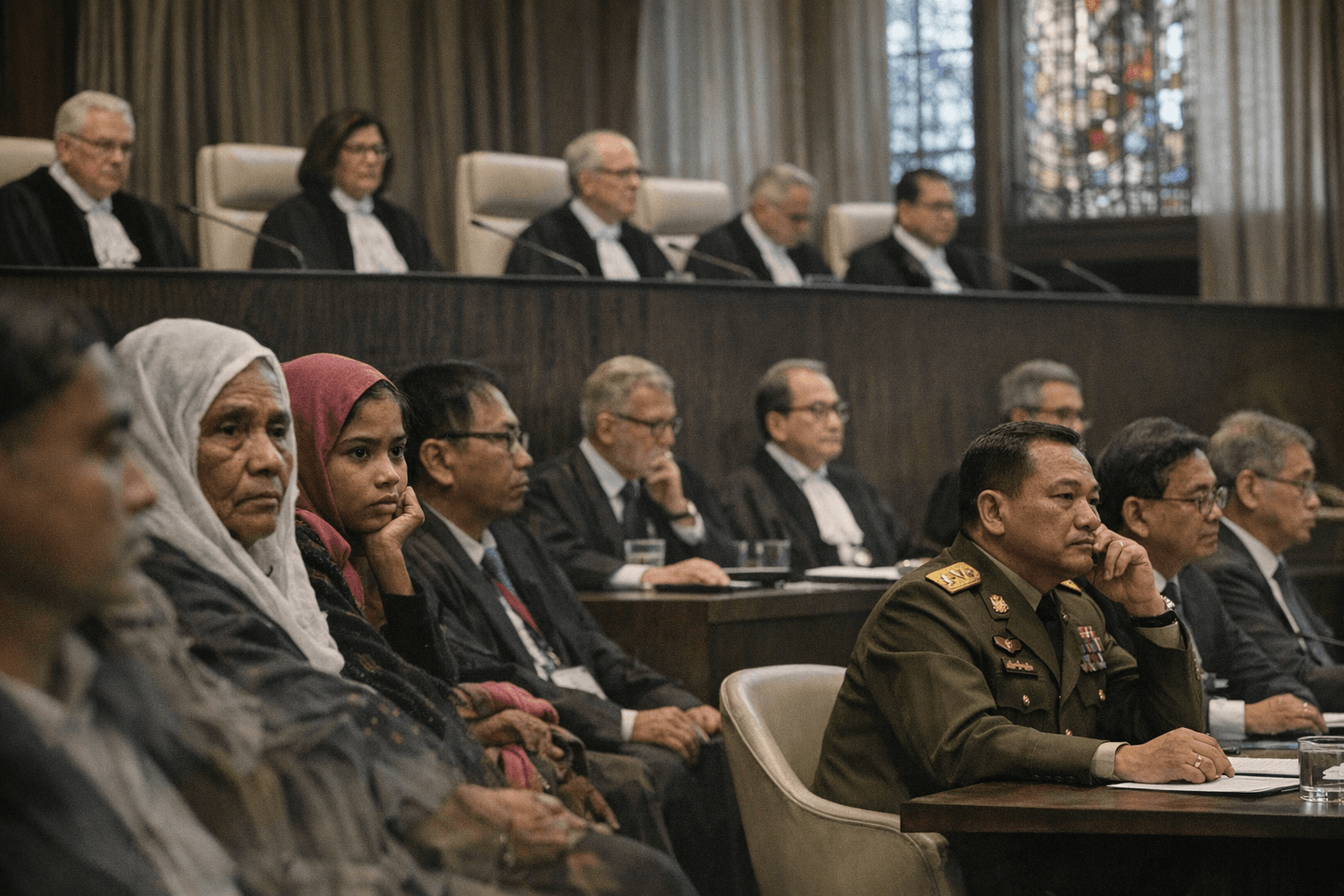
Lawyers and witnesses are arguing at the International Court of Justice in The Hague over whether Myanmar’s 2017 military campaign against the Rohingya constitutes genocide, in a test of the Genocide Convention that could influence other state disputes before the court. Formal public hearings on the merits began this week and are scheduled to span three weeks, with closed sessions set aside for sensitive victim testimony.
The case was brought by The Gambia in November 2019 and asks the court to determine whether Myanmar bears state responsibility under the 1948 Convention on the Prevention and Punishment of the Crime of Genocide for actions during the 2017 operations in Rakhine State. To prove genocide under the convention, the court must find not only that prohibited acts occurred but that those acts were committed with the specific intent to destroy, in whole or in part, a protected group. The ICJ process addresses state responsibility; it is not a criminal trial of individuals.
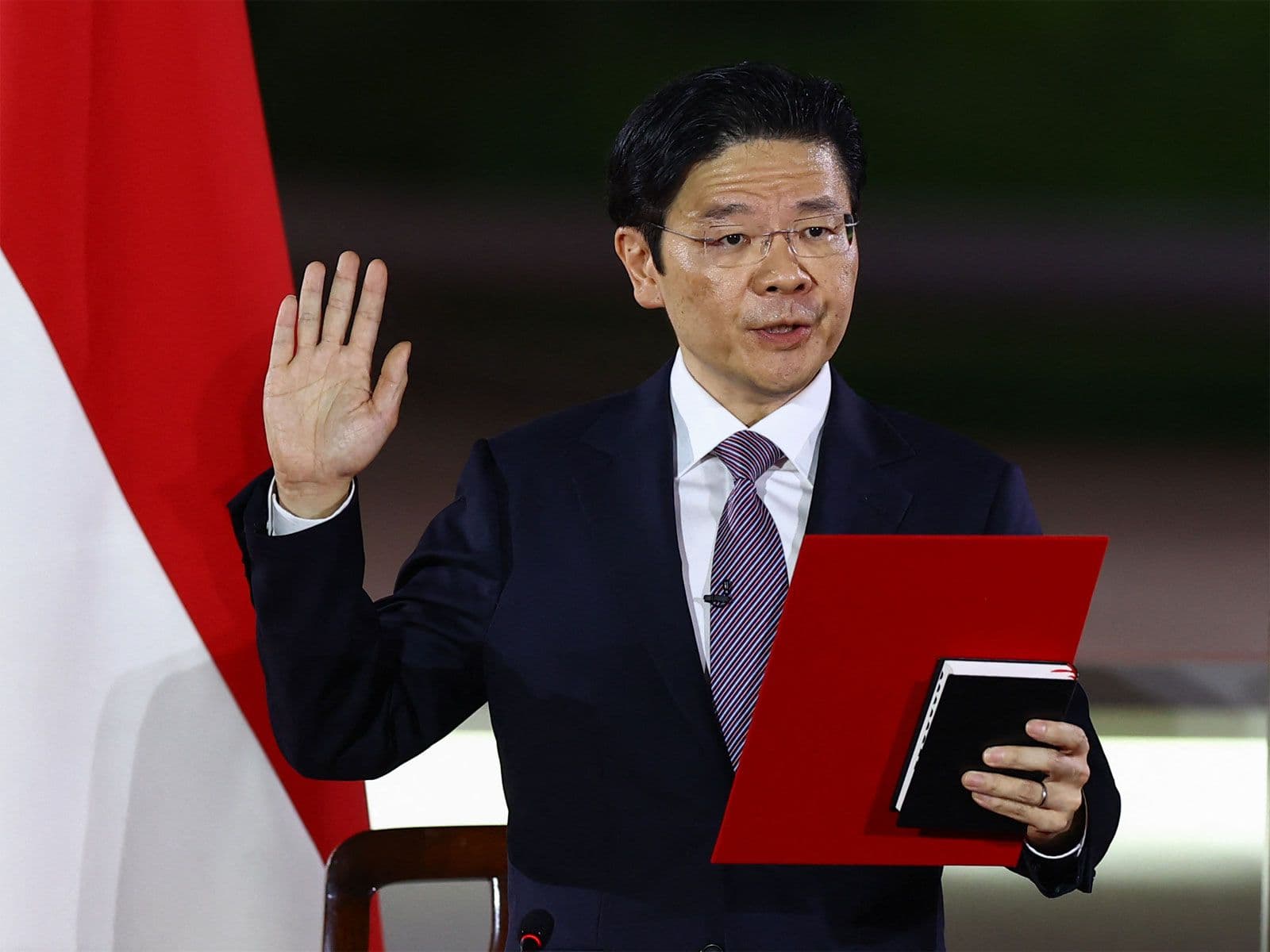
Over the three weeks, the court will hear two rounds of oral pleadings, examine witnesses and experts, and hold closed sessions to hear testimony from Rohingya victims. Court schedules indicate hearings began at 10 a.m. on opening day and that judges will allocate time for confidential witness statements presented by the applicant state. The Gambia’s delegation is led by Attorney General and Minister of Justice Dawda Jallow.
The factual record before the court includes a series of international findings and displacement data cited by the applicant. UN investigators concluded that the 2017 campaign included "genocidal acts," and a former UN human rights chief called the crackdown a "textbook example of ethnic cleansing." Reports of widespread killings, mass rape and arson accompanied a mass displacement. During and after the 2017 operations more than 700,000 Rohingya fled to Bangladesh; one count put the total at "at least 730,000." Current estimates presented at the hearings place about 1.17 million Rohingya in camps across Cox’s Bazar district.
Myanmar’s authorities reject those characterizations and told the court in a state media statement that The Gambia’s case is "flawed and unfounded in fact and law," adding that "biased reports, based on unreliable evidence, cannot make up for truth." The foreign ministry also said the junta is cooperating with the court "in good faith." Myanmar’s government has long framed the 2017 operations as counter‑terrorism actions aimed at armed groups, and the country has been ruled by a military junta since a 2021 coup that removed and detained Aung San Suu Kyi, who had represented Myanmar in earlier phases of the litigation.
Legal experts and investigators watching the hearings say the outcome could set important precedents, influence parallel efforts to secure individual criminal accountability and affect other state petitions at the ICJ. A favorable ruling for The Gambia would not automatically produce arrests or compel military change inside Myanmar; the court lacks direct enforcement mechanisms. Instead, a finding of state responsibility could increase diplomatic pressure, shape sanctions policy and factor into domestic and international prosecutions brought by other jurisdictions.
Beyond legal consequences, the proceedings have geopolitical and humanitarian reverberations. The protracted displacement of more than a million people imposes sustained fiscal and aid burdens on Bangladesh and international donors, and a definitive ruling could influence future aid flows, sanctions targeting and investor risk assessments concerning Myanmar. The court is expected to reserve judgment on the merits for months or years, leaving global policymakers to weigh both legal precedent and practical levers for accountability in the meantime.
Know something we missed? Have a correction or additional information?
Submit a Tip