India’s Fatigue Rules Ground IndiGo Flights, Government Caps Fares
Stricter pilot fatigue rules rolled out this year have paralyzed IndiGo operations, triggering hundreds of cancellations and long passenger backlogs at major airports. The government has capped airfares and granted temporary concessions while regulators and airlines scramble to rework rosters and restore service.
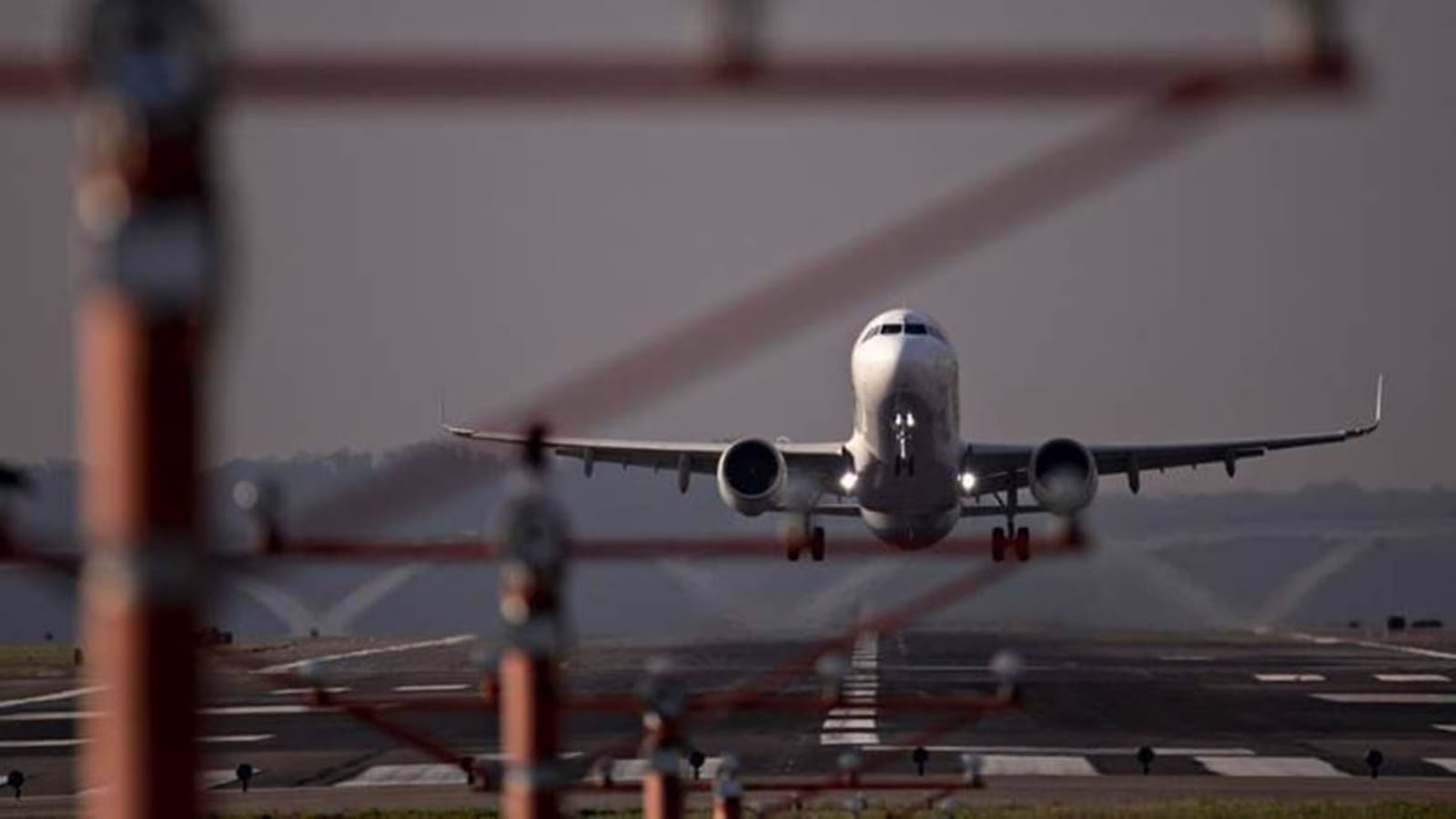
India’s recent overhaul of pilot fatigue management is colliding with the logistics of a fast growing aviation market, producing disruption at the country’s busiest carrier and visible strain across the travel network. Implemented in phases through 2025, the new Flight Duty Time Limitations substantially increase rest requirements and tighten night operation limits, and IndiGo’s failure to adapt rosters in time has translated into widespread cancellations and delays today.
Under the new regime weekly pilot rest has increased from 36 to 48 hours. Night landings have been capped at two per week per pilot and flight duty during night operations is limited to 10 hours. Carriers are also required to submit quarterly fatigue reports. Regulators temporarily relaxed the night landing cap and the night duty limit for IndiGo until February 10 to give the airline breathing room while it adjusts schedules and crews.
The operational fallout at IndiGo, which is India’s largest carrier by market share, has been acute. Hundreds of flights were cancelled and many more delayed, leading to long lines, crowded terminals and a backlog of passengers at major airports across the country. The government stepped in to cap fares on affected routes and granted targeted concessions intended to stabilize the network and blunt the immediate economic pain for travellers and the wider system.
Regulators moved quickly to coordinate with the airline and the broader industry. The Directorate General of Civil Aviation engaged with carriers to oversee implementation and to ensure that temporary relief measures do not undermine safety objectives. Industry sources point out that the changes were designed to bring Indian aviation in line with international fatigue management norms, but the pace of implementation exposed gaps in airline planning and manpower allocation.
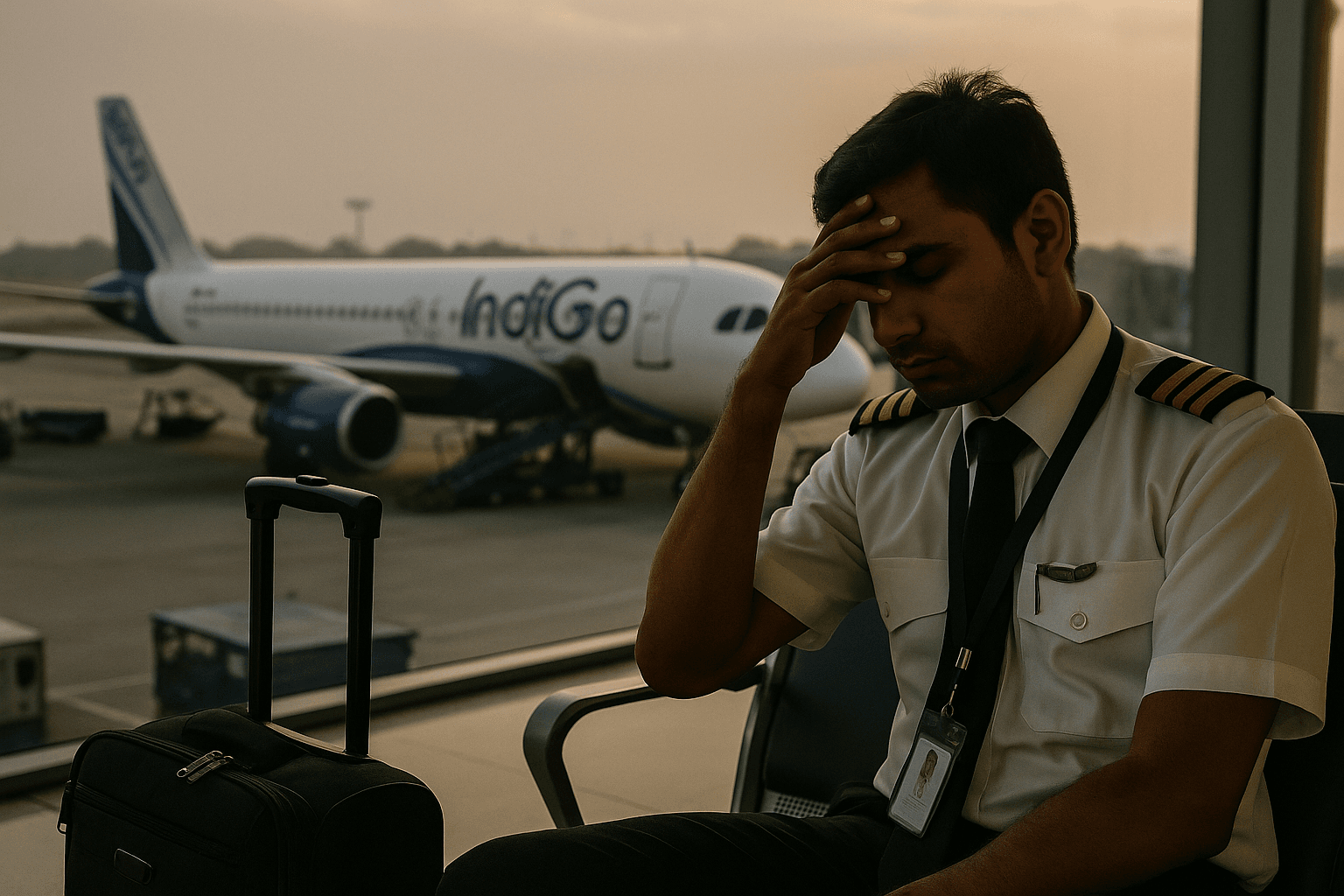
Aviation experts say the episode highlights the trade off between operational continuity and crew safety. The new rules aim to reduce pilot fatigue and long term risk, yet the abrupt scheduling shock illustrates how fragile narrow crew pools can be when limits tighten. Analysts also warned that airlines operating densely connected networks will need to invest in deeper pilot rosters, more flexible scheduling systems and improved fatigue reporting to prevent similar cascades in future.
For passengers the immediate questions are practical and pressing. Flights are being rescheduled and airlines are working through backlogs, but delays are likely to continue while rosters are reengineered. The government cap on fares is intended to prevent gouging during the disruption, but it does not solve the underlying mismatch between available crew and the new regulatory baseline.
The incident will be watched closely by other regulators and carriers in emerging markets, where rapid growth and constrained labour pools can complicate compliance with tougher safety standards. In the weeks ahead attention will focus on whether IndiGo can reconfigure rosters without undermining connectivity, and whether the industry as a whole can adopt fatigue controls at a pace that supports both safety and service continuity.