Infantino Faces Criticism After Giving Trump FIFA Peace Prize
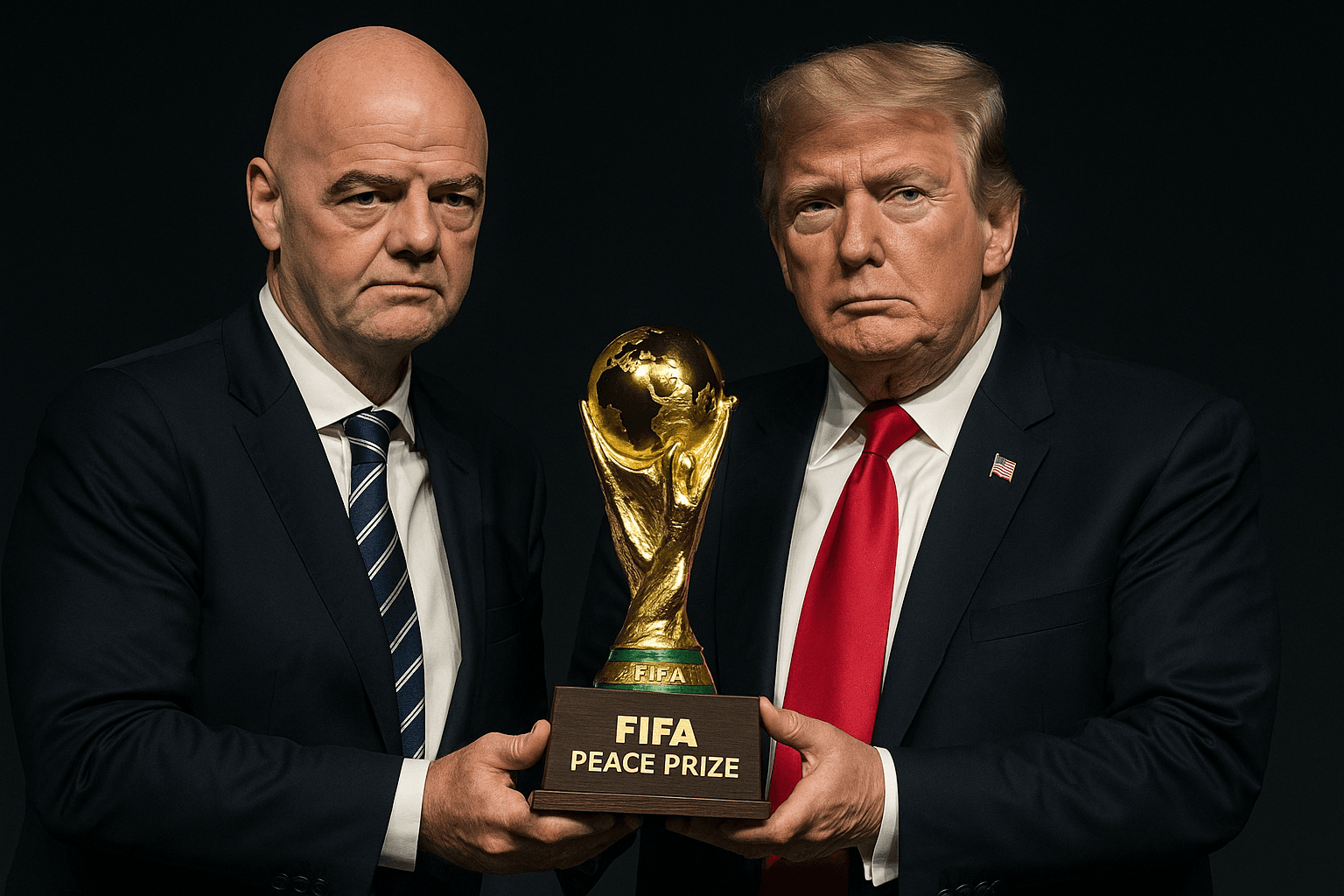
FIFA President Gianni Infantino drew swift criticism after presenting President Trump with an inaugural FIFA peace prize during the World Cup draw in Washington, raising questions about the governing body's commitment to political neutrality. The episode matters because it tests FIFA governance, threatens sponsor and fan confidence, and highlights the growing entanglement of global sport with partisan politics.
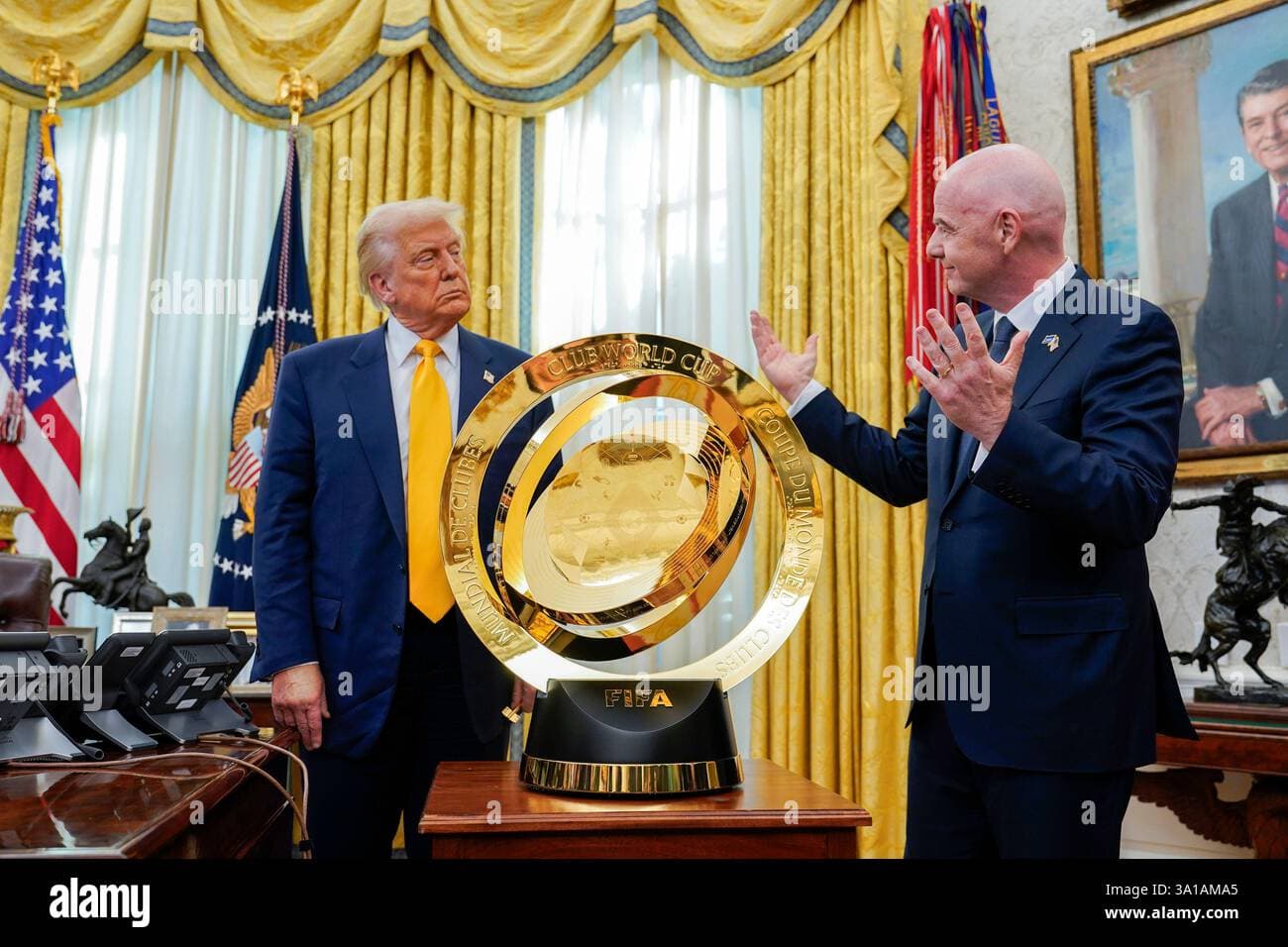
Gianni Infantino has drawn sharp scrutiny after he presented President Trump with an inaugural FIFA peace prize during the World Cup draw in Washington today. Critics say the public ceremony and the close embrace of a sitting head of state risk breaching FIFA rules intended to keep the organization politically neutral, and they warn the incident could have broader consequences for the sport's governance and commercial standing.
The presentation took place in a high profile television moment as the draw proceeded in the United States capital. Observers noted that awarding an honor to a domestic political leader while running a sporting event abroad blurs lines that FIFA has long said it seeks to maintain. The governing body has framed itself as a global institution above politics, yet today’s image of its president publicly aligning with a polarizing political figure has reignited debate about whether that posture is sustainable.
The immediate implications are both reputational and institutional. FIFA relies on a complex mix of broadcast deals, sponsorship contracts, and the goodwill of member associations to stage the World Cup and other tournaments. Perception of political partiality could prompt unease among commercial partners and national federations, who often prefer the sport to serve as neutral ground. Governance experts say the episode could prompt calls for internal review or formal complaints from national associations concerned about precedent.
Beyond the boardroom, the incident cuts to the cultural heart of the game. Football is frequently invoked as a force for unity and global exchange, yet the spectacle of a FIFA leader publicly honoring a sitting national politician risks turning that narrative into one of partisan display. For fans who view the game as an escape from everyday political strife, the conflation of statecraft and sport may feel like an unwelcome intrusion. For others it reinforces the idea that sport increasingly functions as an arena for soft power and image making.
The episode also underscores a broader trend in global sport where leaders and institutions accept invitations to high level political stages as part of efforts to expand influence, secure hosting deals, or stabilize relationships with states and markets. Infantino’s growing public proximity to political figures has been noted in recent years, and today’s event will amplify scrutiny of how FIFA balances those strategic calculations against its stated commitments to impartiality.
How FIFA responds in the coming days will be telling. Possible outcomes range from internal clarification about the prize and its criteria, to formal inquiries if member associations lodge complaints. Sponsors and broadcasters will be watching for signs that the drawing of political lines is harming the product or the global appeal of the tournament.
For a sport that trades on universal appeal, the incident is a reminder that global institutions cannot insulate themselves from politics. The choices made now about transparency and accountability will shape perceptions of football’s leadership long after the draw lights have dimmed.
Sources:
Know something we missed? Have a correction or additional information?
Submit a Tip