Indiana Tops New 12 Team Playoff, Notre Dame Excluded
The College Football Playoff selection committee unveiled its expanded 12 team bracket on Dec. 8, 2025, placing undefeated Indiana at the top seed and granting first round byes to four programs. The inclusion of Alabama and Miami and the exclusion of Notre Dame signal shifting power balances, and the bracket will alter the January bowl landscape and revenue map for college football.

The College Football Playoff selection committee released its expanded 12 team bracket on Dec. 8, 2025, crowning Indiana as the No. 1 overall seed after the program finished the season undefeated. The bracket, which was implemented in 2024, provides first round byes to the top four seeds, and those byes went to Indiana, Ohio State at No. 2, Georgia at No. 3 and Texas Tech at No. 4. The committee also included Alabama and Miami as at large entrants, while Notre Dame was left off the 12 team field.
Indiana's ascent to the top seed is the most striking storyline. An undefeated regular season in a high profile college landscape elevates the Hoosiers from regional contender to national focal point. That rise will carry athletic and commercial implications for the program, increasing media attention, donor engagement and recruiting leverage. For the Big Ten, Indiana's placement affirms the conference depth beyond its usual marquee names and demonstrates how the expanded playoff can elevate unexpected marketable narratives.
The placements of Alabama and Miami as at large entries underscore the continued commercial and competitive weight of traditional blue chip programs. Alabama's presence reasserts the SEC brand that broadcasters and sponsors prize, while Miami's inclusion reflects the program's resurgence and the ACC's ongoing relevance in a broader playoff field. Those selections also highlight how at large spots remain the committee's avenue to balance conference champions with historically prominent programs that drive television ratings and bowl gate receipts.
Notre Dame's exclusion reverberates beyond the field. The independent program has long occupied a unique space in college football with a national TV contract and a vast alumni network. Missing the expanded playoff could complicate Notre Dame's negotiations with broadcasters and sponsors, and it will intensify debates about the criteria the committee uses to weigh strength of schedule, conference championships and historical brand value. For fans and alumni the omission will feel like a cultural snub, and for the sport it renews questions about access and equity under the 12 team format.
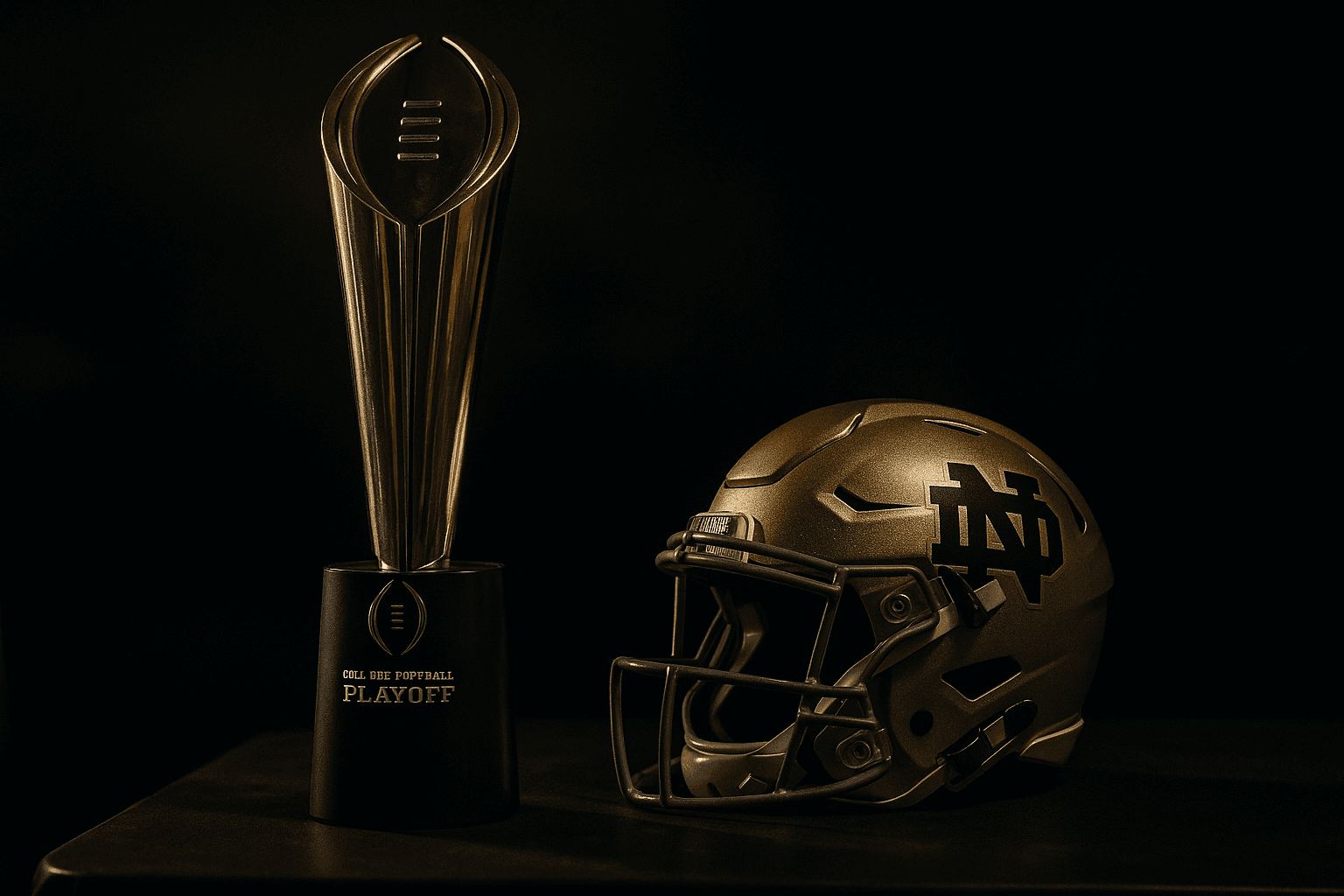
The new structure is already reshaping the January postseason. Giving the top four seeds byes concentrates marquee matchups later in the schedule, which should boost television audiences for the quarterfinals and semifinals and compress the bowl calendar into a tighter, higher stakes window. That compression will affect bowl organizers, local economies and the allocation of television rights fees that now hinge on fewer, more consequential games. Athletic departments with teams seeded outside the top four gain exposure through first round games, but they will also see different travel and preparation logistics compared with the old model.
Beyond competition and commerce, the expanded playoff continues to alter college football culture. It widens the aperture for hopeful programs while amplifying scrutiny of selection choices. The committee's Dec. 8 bracket, with Indiana at the summit and Notre Dame on the outside looking in, crystallizes the tensions of modern college football where on field performance, conference alignment, media markets and branding all collide during a decisive selection process.