Dodgers Add Elite Closer Edwin Díaz for Three Year Boost
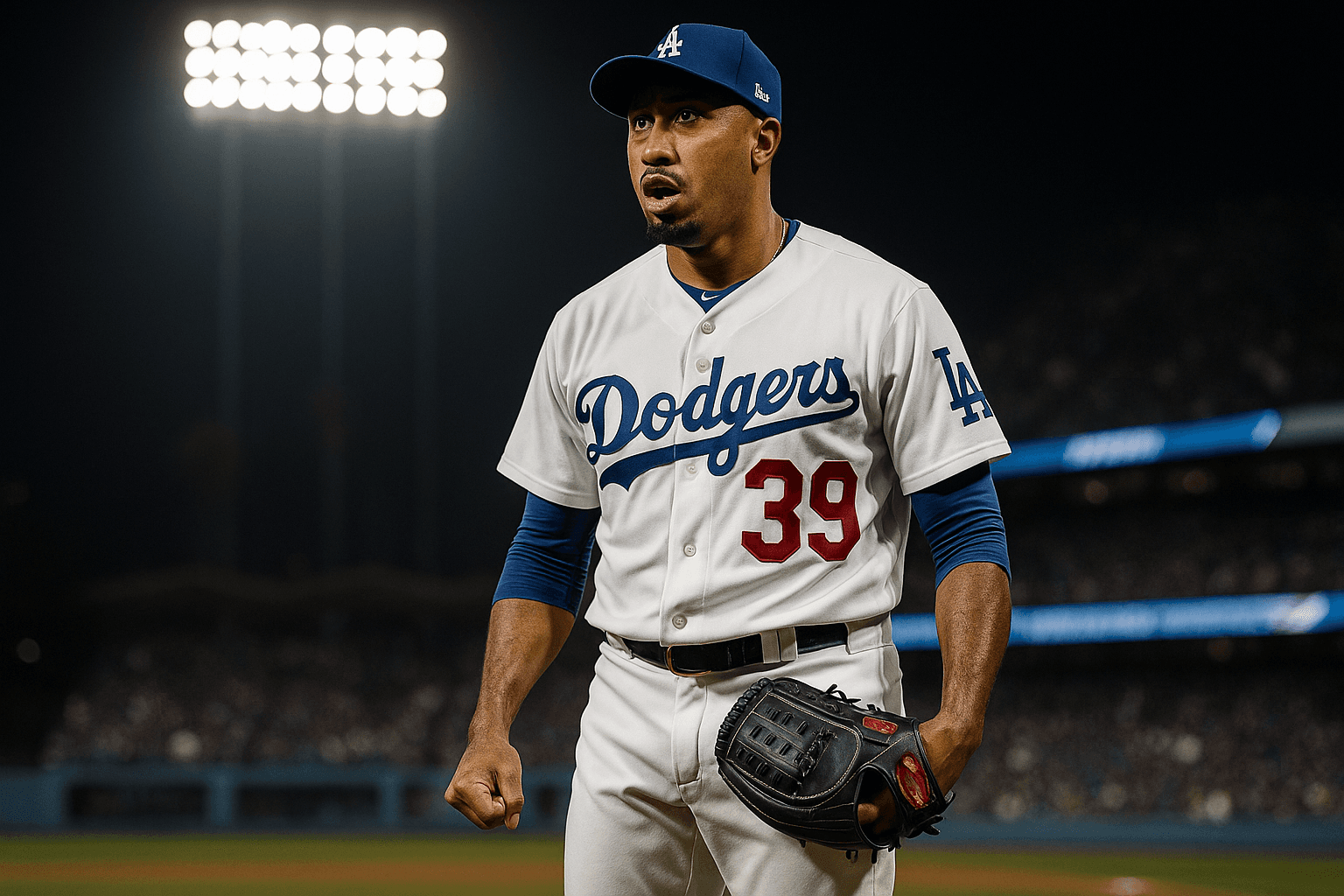
The Los Angeles Dodgers agreed to a three year, roughly $69 million contract with former New York Mets closer Edwin Díaz, a high profile winter move reported by ESPN on December 9, 2025. If finalized and medically cleared, the signing gives the Dodgers a premier late inning arm as they press for another championship and reshapes bullpen economics across the market.

The Dodgers took a decisive step in their quest to fortify a championship caliber roster by agreeing to terms with Edwin Díaz, according to ESPN sources on December 9, 2025. The three year deal, reported at about $69 million, would bring one of the game’s most dominant closers in recent seasons to Los Angeles, pending finalization and a medical clearance.
Díaz, 31, comes off a season in which he posted a 1.63 ERA and converted 28 of 31 save opportunities. Those numbers underline why teams covet an elite closer who can reliably convert late inning situations, and they explain the market premium the Dodgers appear willing to pay for short term certainty in their bullpen. For a franchise that has repeatedly invested at the margins to chase World Series hardware, adding a proven finisher addresses a need that is both strategic and psychological.
From a performance standpoint, Díaz offers an immediate upgrade in leverage situations. His recent season demonstrates an ability to suppress runs and close games with consistency, which alleviates pressure on starting pitchers and the middle relief corps. In postseason play where every inning is magnified, having a pitcher whose primary role is to seal victories is invaluable. The Dodgers are acquiring not only a statistical asset, but a situational specialist who can change how a manager deploys the rest of the staff.
The transaction also speaks to broader industry trends. Teams continue to place higher value on bullpen depth and elite relievers, even at significant cost, as analytics reinforce the outsized impact of high leverage innings. The market for top closers has grown more aggressive, with clubs prepared to offer multi year contracts to shorten the uncertainty that comes with bullpen volatility. Los Angeles’s reported willingness to spend for immediate benefit reflects a competitive impulse in a crowded free agent market and a belief that controlled spending in the bullpen can yield outsized playoff returns.
Culturally, the move is likely to energize Dodgers fans and deepen the team’s late season narrative. Acquiring a high profile closer can galvanize a clubhouse and provide a clear postseason identity. It also carries marketing value for the franchise and the league, converting on field excellence into engagement across a global fan base that follows marquee pitchers closely.
Socially and economically, the contract underscores the continuing flow of capital into elite sports talent and the way teams allocate resources to prioritize short term championship windows. The emphasis on securing established performers raises questions about long term roster balance versus immediate ambition, and about how teams weigh the injury risk that makes medical clearance a central condition of modern signings.
If the deal is completed, the Dodgers will head into the 2026 season with one of baseball’s most formidable late inning weapons, a calculated investment intended to tilt a thin margin of playoff baseball increasingly in their favor.