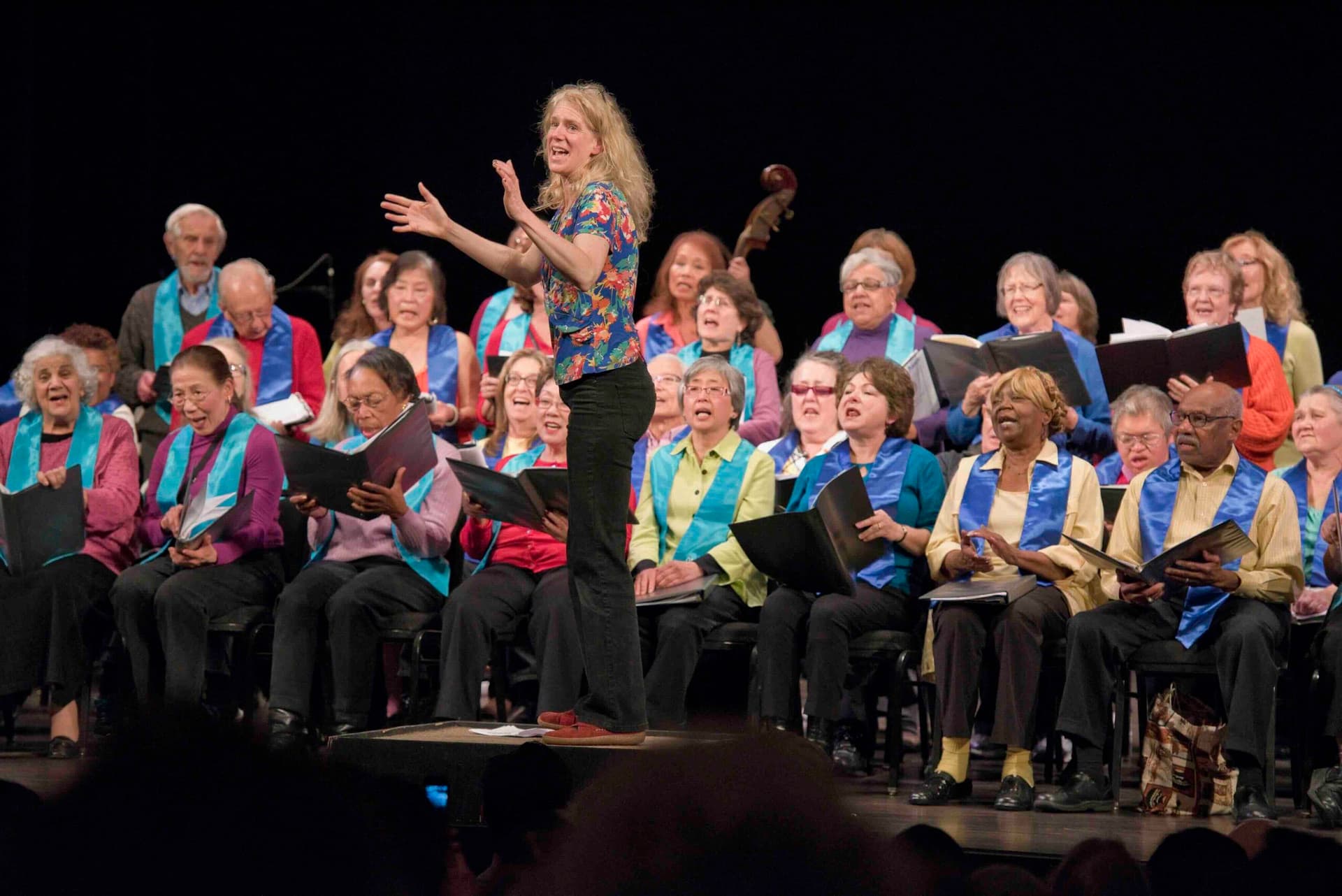
Interfaith Coalition Launches Winter Drive for Española Valley Residents
The Interfaith Coalition on Homelessness launched a community winter collection drive on December 4 to support unhoused and at risk people in the Española Valley. The drive mobilizes congregations across Los Alamos and Española counties to collect cold weather items, food and toiletries, with weekly pickups for distribution to frontline nonprofits, an effort that fills immediate needs and highlights gaps in local shelter capacity.

The Interfaith Coalition on Homelessness based in Los Alamos announced a community winter collection drive on December 4, aimed at providing immediate relief to unhoused and at risk residents of the Española Valley. Congregations across Los Alamos and Española counties have been organized into teams collecting either cold weather items or food and toiletries, and donation boxes are placed at participating faith communities for weekly pickup by ICOH volunteers. The drive will run at least through January and may continue into February.
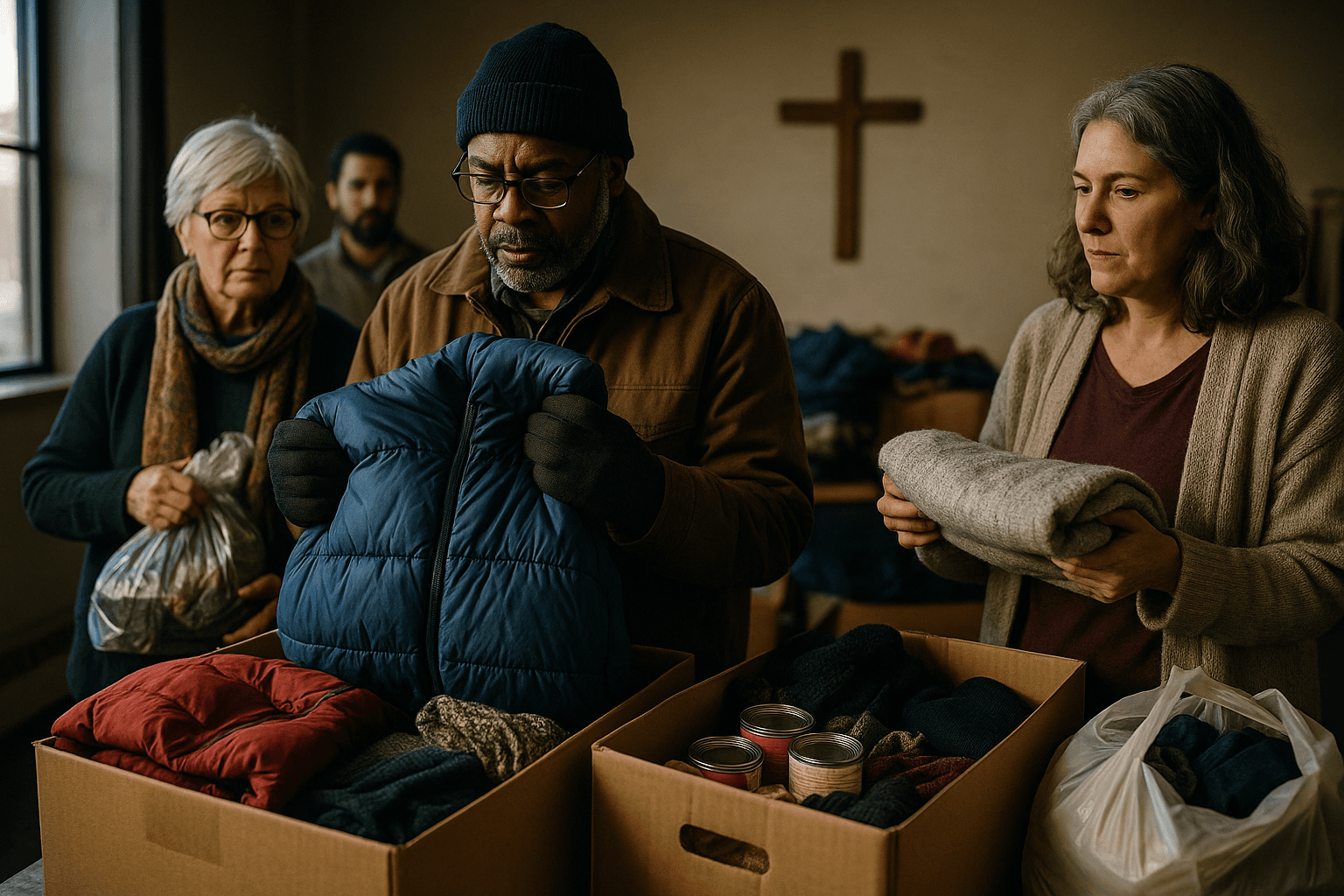
Items requested for the cold weather team include warm socks, new underwear, gloves, beanies, jackets, emergency blankets and sleeping bags. The food and toiletry team is accepting shelf stable milk, canned meats and soups, baby formula, granola bars, toilet paper and cleaning supplies. Donations are picked up weekly for distribution to frontline nonprofits including McCurdy’s Family Resource Center, Española Pathways Shelter and Inside Out Recovery.
The initiative provides short term relief during the peak of winter needs, when exposure risks increase and shelter resources face heightened demand. For Los Alamos County residents, the drive creates a clear volunteer pathway for congregations and individuals to support neighboring communities that lack the same level of service infrastructure. For Española Valley service providers, coordinated inflows of clothing and consumables reduce immediate operating stress and allow limited funding to be allocated to staffing and program development.
Beyond material support, the drive exposes larger institutional questions about regional capacity for homelessness services. Local budget decisions in county and municipal governments determine the level of subsidized shelter beds, case management and long term housing initiatives. Civic engagement through donations and volunteer coordination can alleviate urgent needs, but sustainable outcomes will depend on policy choices at county commissions, municipal councils and state agencies.
The Interfaith Coalition on Homelessness is managing collection logistics and weekly pickups through participating congregations. Residents seeking to contribute should look for donation boxes at local congregations or contact ICOH for coordination. The drive underscores the role of civic institutions in bridging immediate needs while prompting discussion about longer term funding and service strategies for the region.