Iran Warns U.S. of Retaliation, Names Israeli Territory and Bases as Targets
Iran’s parliament speaker Mohammad Baqer Qalibaf warned today that any U.S. military action would be met with retaliation and that Israeli territory and American military facilities and vessels in the region would be treated as legitimate targets. The declaration raises the stakes in an already volatile crisis sparked by nationwide protests and U.S. threats to intervene, with broad implications for regional security and global trade.
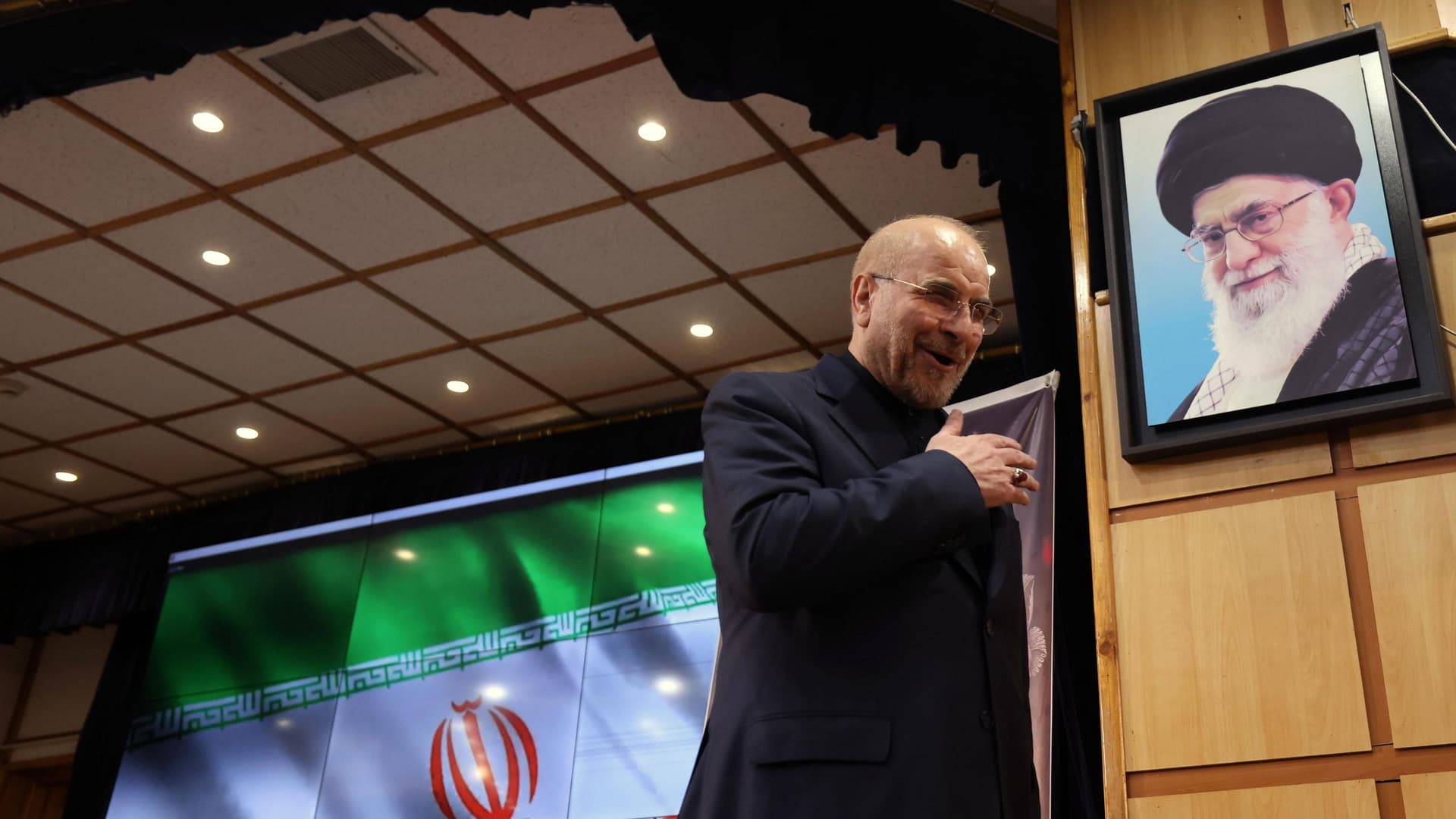
Iran’s parliament speaker Mohammad Baqer Qalibaf delivered a stark warning today that "in the event of an attack on Iran, both the occupied territory and all American military centers, bases and ships in the region will be our legitimate targets," signaling a readiness to expand the battlefield beyond Iran’s borders. The remarks, made during a heated session broadcast on state television, followed public comments from U.S. President Donald Trump that Washington "stands ready to help" and that if protesters were killed "the US would get involved and would hit the country where it hurts."
The session quickly turned charged, with lawmakers reported to have rushed the dais and chanted "Death to America!" as Qalibaf, a former commander in the Islamic Revolutionary Guard Corps, warned against "a miscalculation" and said Iran "does not consider ourselves limited to reacting after the action and will act based on any objective signs of a threat." The language moves Tehran from a strictly reactive posture to one that asserts the right to strike on perceived indicators of imminent harm, a stance that will complicate any U.S. calculations.
The warnings come amid nationwide unrest that began on December 28, 2025. What started as protests over soaring inflation, a collapsing rial and food shortages has broadened into sustained anti‑government demonstrations calling for the end of clerical rule. Reports of heavy repression, overwhelmed hospitals and significant casualties have circulated, with some accounts citing dozens killed; those figures remain contested and difficult to verify independently. Exiled singer Googoosh added to the chorus of dissent, saying "the killing has not stopped" and that she is "waiting for a change of regime to happen soon."
In Washington, administration officials have held preliminary internal discussions about potential military options, including aerial strikes on Iranian military targets, while stressing there is no unified consensus and no immediate plan for an attack. Those deliberations, coupled with Mr. Trump's public remarks, appear to have prompted Tehran to draw clear red lines. Regional capitals are watching closely: Israeli authorities have raised alert levels and regional security officials are assessing the risk that any U.S. action could provoke direct confrontation across the Gulf and Levant.

Beyond the immediate human cost inside Iran, the exchange raises broader geopolitical and legal questions. Under international law, states may lawfully act in self‑defense if an armed attack occurs; preemptive or anticipatory uses of force are more legally fraught and invite dispute. Tehran’s declaration that it may act on "objective signs of a threat" blurs those boundaries and heightens the risk of misinterpretation or rapid escalation.
Global economic interests are also at stake. Iran’s naming of ships and shipping as legitimate targets threatens freedom of navigation in key energy transit corridors, with potential knock‑on effects for markets already sensitive to supply disruptions. Diplomats and military planners in Europe, Asia and the Middle East must now weigh the risks of rapid escalation against the potential humanitarian imperative cited by those who back intervention.
For now, both sides seem to be testing limits: Tehran by publicly expanding its target list and Washington by signaling continued readiness to exert pressure. The coming days will test whether diplomacy, restraint and multilateral engagement can prevent a confrontation that would have consequences far beyond Iran’s borders.
Know something we missed? Have a correction or additional information?
Submit a Tip