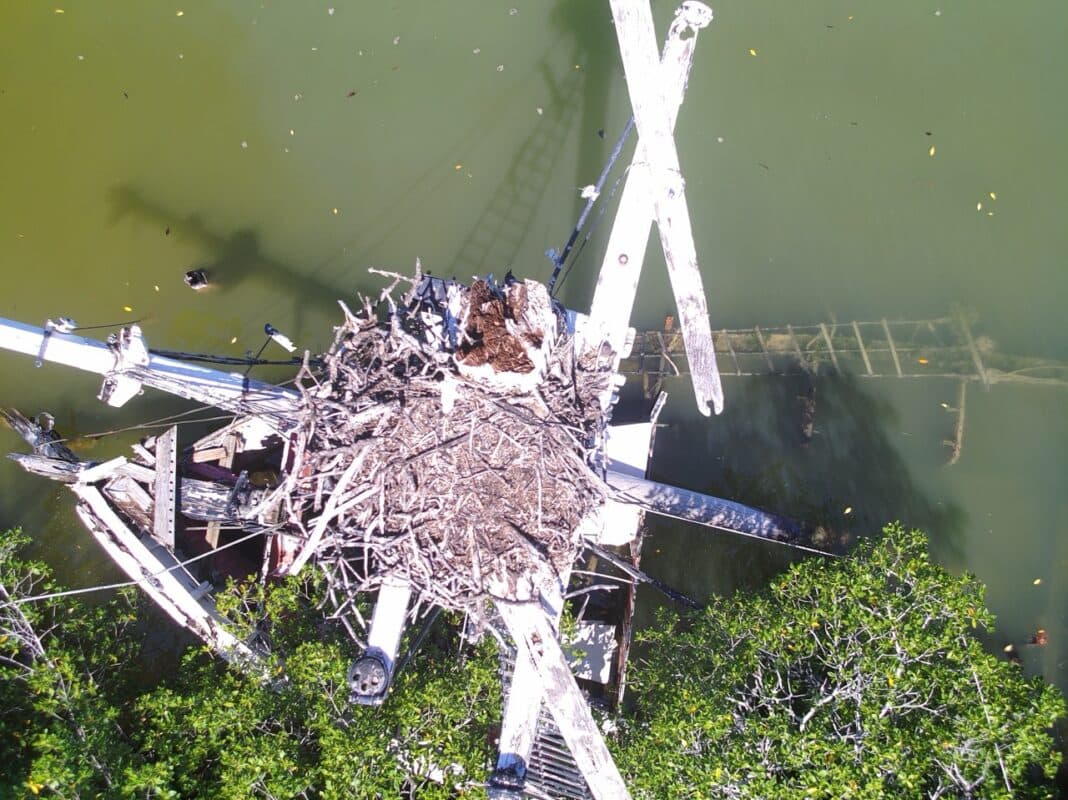
Islamorada starts $8.9M canal-restoration project on Lower Matecumbe Key
Islamorada began construction on a state-funded $8.9 million project to reconnect two dead-end canals to nearshore waters, aiming to improve local water quality and property conditions.
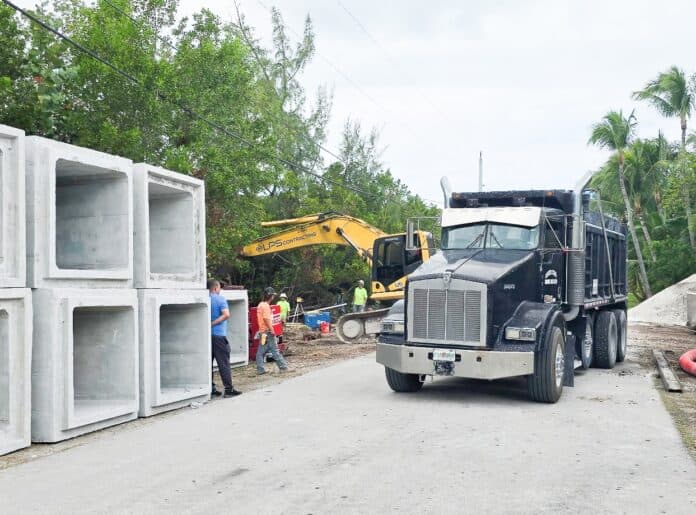
Islamorada began construction on January 12, 2026, on an $8.9 million canal-restoration project on Lower Matecumbe Key intended to improve water quality in two dead-end canals by restoring tidal flow. The work targets canals 155 and 157, where limited flushing has contributed to low dissolved-oxygen levels that fail to meet state water-quality standards.
The village awarded the construction contract to LPS Contracting. The planned engineering work includes installing multiple 4-by-4-foot box culverts beneath Sandy Cove Avenue to hydraulically connect the dead-end canals to nearshore waters. Officials say the increased tidal exchange is intended to raise dissolved-oxygen concentrations and reduce stagnation by allowing regular flushing with coastal tides.
State grants are funding the work as part of a broader village initiative to connect additional dead-end canals on the southern end of Lower Matecumbe. The project required easements through private property to install the culverts and tie the canals into the coastal system. Village leaders contend the connections could benefit canal-front property owners by improving water quality and, by extension, navigability and aesthetics.
The immediate impact for residents includes construction traffic and temporary access restrictions around Sandy Cove Avenue as crews install the culverts. Longer term, the village is betting on environmental improvements that could reduce algae blooms, fish kills, and foul odors that have concerned homeowners and anglers. Raising dissolved-oxygen levels to state standards is also a regulatory objective that may reduce future enforcement risk for local waterways.
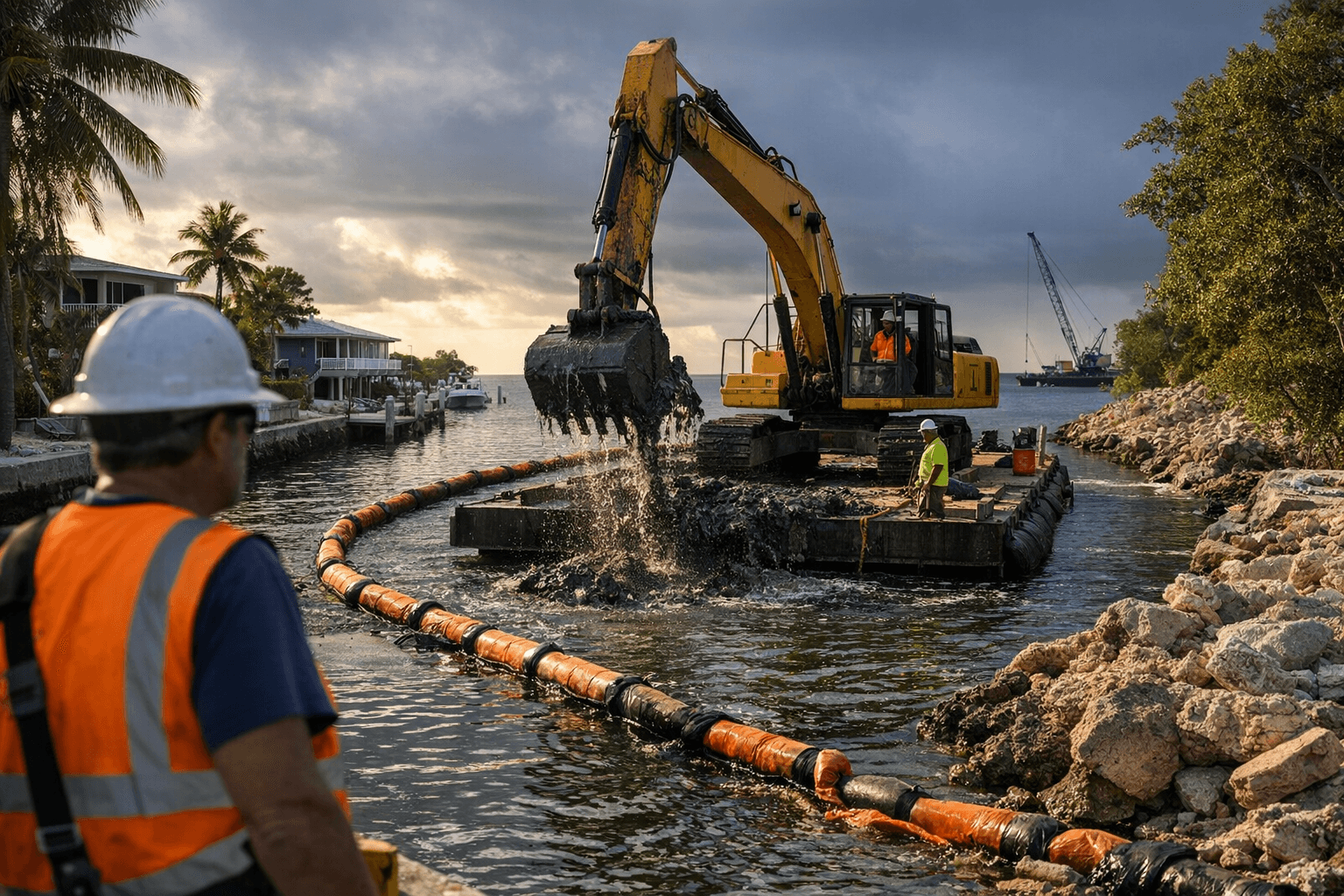
The project highlights several governance and policy questions for Monroe County coastal communities. Reliance on state grant funds ties local priorities to broader state programs and timelines, while the need for private easements underscores the tension between individual property rights and community-level environmental restoration. Accountability will depend on clear monitoring plans, public reporting of dissolved-oxygen and tidal-exchange data, and timely maintenance of the new infrastructure.
For voters and canal-front owners, this project is likely to be a visible measure of municipal performance on water quality and coastal resilience. Elected officials who supported the initiative will need to show measurable results to maintain public trust, especially where private easements and construction impacts touch homeowners directly.
The takeaway? Track the monitoring data and attend village meetings to see whether the culverts deliver cleaner water and sustained tidal flow. Our two cents? Stay engaged, demand transparent results, and push for a public schedule for monitoring and maintenance so benefits reach both the bay and local backyards.
Sources:
Know something we missed? Have a correction or additional information?
Submit a Tip