Israel Killed Senior Hamas Commander, Military Said After Gaza Strike
Israel announced on December 13, 2025 that a targeted strike in Gaza City killed Raed Saed, whom Israeli officials described as a senior Hamas commander and a key figure in weapons production. Gaza health authorities reported five dead and at least 25 wounded, raising fears the operation could undermine a fragile ceasefire and strain humanitarian access to Gaza.

Israeli forces struck a vehicle in or near Gaza City on December 13, 2025, in an operation the military said killed Raed Saed, identified by Israeli officials as a senior commander in Hamas’s armed wing. Gaza health authorities reported the blast killed five people and wounded at least 25, figures repeated across international outlets. As of early reporting there was no independent confirmation that Saed was among the dead and Hamas had not confirmed his death.
Israeli leaders framed the strike as a direct response to a separate incident earlier the same day in which an explosive device wounded two Israeli soldiers. A joint statement from Prime Minister Benjamin Netanyahu and Defence Minister Israel Katz said the operation targeted a figure the government accuses of rebuilding arms production and operational capacity in Gaza in violation of the ceasefire. Israeli sources, including defence officials cited by international news agencies, described Saed as head of a weapons manufacturing network within Hamas.
Descriptions of Saed’s rank and responsibilities vary across sources. Several outlets, citing Hamas sources, described him as a former head of Hamas’s Gaza City battalion and as second in command of the armed wing after Izz al Din al Haddad. Reporting has used multiple spellings of his name, including Raed Saad and Raed Saeed. Media organizations emphasized that characterizations of his role derive from different interlocutors and that verification remains incomplete.
The operation is the most prominent targeting of a senior Hamas figure since a ceasefire came into effect in October. Israeli officials presented the strike as both retaliation for the attack on soldiers and as a measure to degrade the group’s weapons capacity. Hamas condemned the strike, saying a civilian vehicle had been struck outside Gaza City and calling the action a violation of the ceasefire. The United Nations was reported to have urged Israel to permit unhindered humanitarian access to Gaza following the incident.
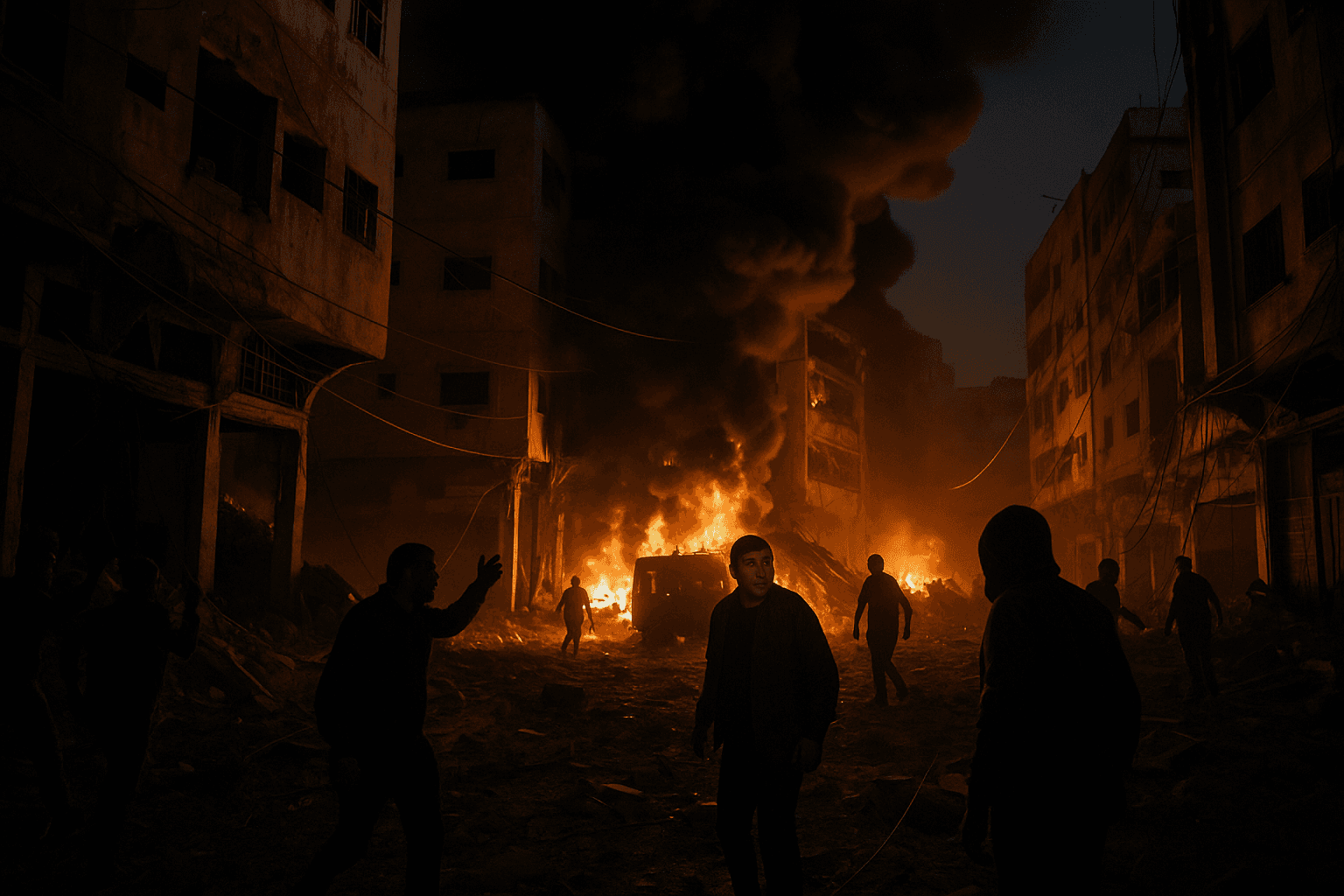
Immediate verification of the commander’s death has not been established by independent medics or by Hamas, and casualty figures come from Gaza health authorities whose tallies have been used widely in coverage. That uncertainty matters for both tactical and strategic calculations on the ground. If confirmed, the killing of a senior figure allegedly tied to weapons manufacture could disrupt specific operational networks inside Gaza. At the same time, it risks provoking retaliatory attacks that would inflame an already volatile environment and complicate efforts to sustain relief deliveries and reconstruction planning.
Beyond the humanitarian consequences, analysts say such strikes carry economic and financial implications because renewed hostilities tend to raise regional risk premiums and threaten supply chains. International donors and aid agencies will be watching closely for any constraints on convoy movements or border crossings that could slow the flow of fuel, food and medical supplies into Gaza. For now, governments and international organizations face competing pressures to deter further violence while maintaining channels for humanitarian assistance amid continuing uncertainty about the strike and its long term impact.
Sources:
Know something we missed? Have a correction or additional information?
Submit a Tip

