Israeli High Court Restores Attorney General, Invalidates Cabinet Dismissal
Israel's Supreme Court unanimously voided the government move to remove Attorney General Gali Baharav Miara, ruling the Cabinet circumvented statutorily required procedures. The decision reinforces judicial oversight at a fraught moment for Israeli politics, preserving the legal status quo while forcing the government to follow the established dismissal process.
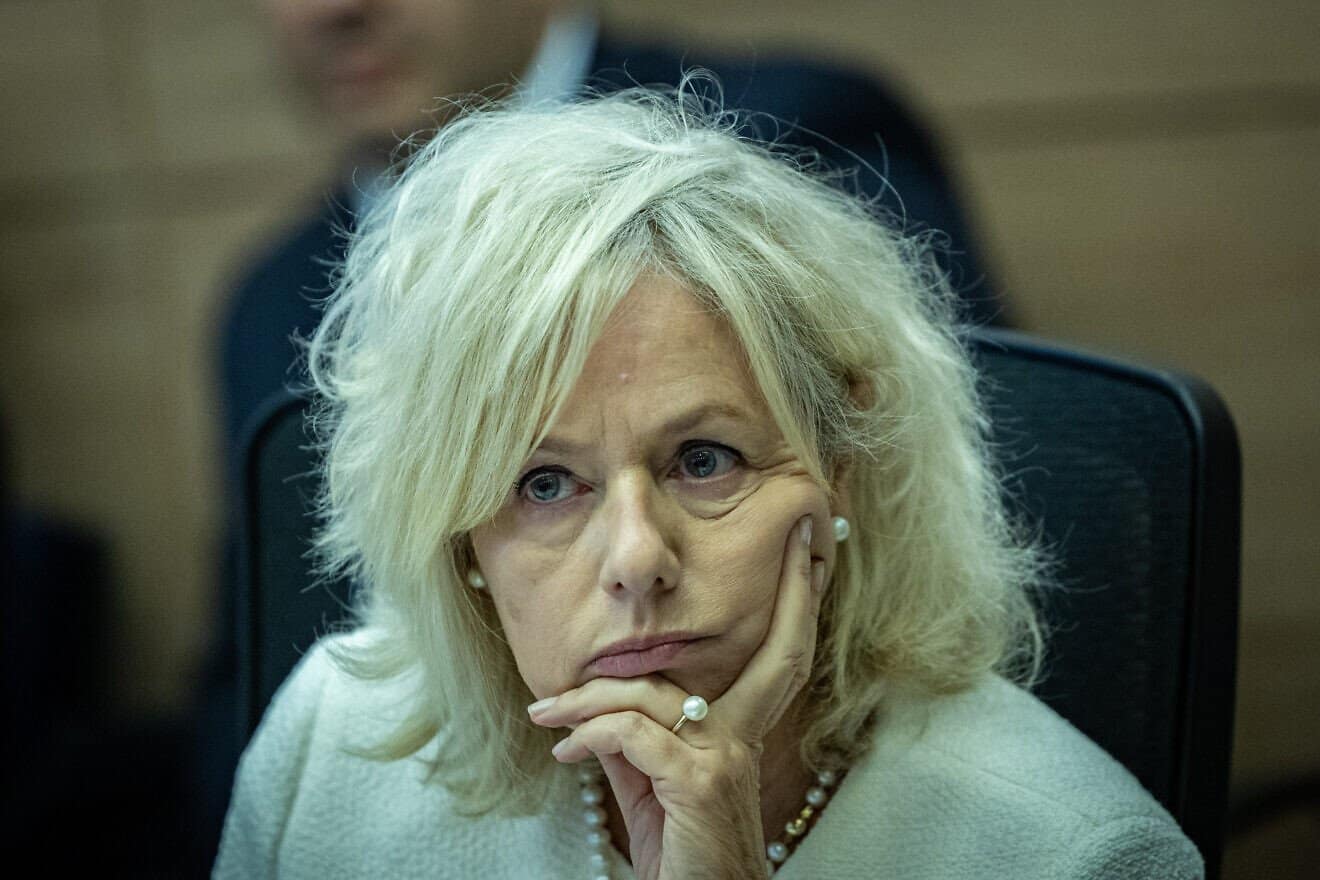
The Supreme Court sitting as the High Court of Justice in Jerusalem ruled on December 14, 2025 that the Cabinet’s attempt to remove Attorney General Gali Baharav Miara was procedurally invalid and therefore void. An expanded seven justice panel unanimously annulled two Cabinet decisions, one that altered the statutory termination mechanism for the attorney general and a later vote that purported to terminate her term under the revised procedure.
The justices concluded that the Cabinet’s revision circumvented an explicit statutory requirement to consult a professional public committee prior to ending an attorney general’s term. Because that consultation was not conducted, the court found both the procedural change and the subsequent dismissal to be null and void. The ruling leaves Baharav Miara in office and preserves her statutory powers and working relationship with the government until any future action complies with the required process.
The decision follows a dispute that has convulsed Israeli politics since March 2025, when the Cabinet held a no confidence vote against Baharav Miara, citing deep differences between the attorney general and the new government. In August the Cabinet voted under altered procedures to remove her, an action that prompted immediate legal challenges and prompted the court to issue an interim indication that the dismissal could not take effect pending substantive review. In that interim ruling, Supreme Court Deputy President Noam Sohlberg wrote that the Cabinet’s move could not be implemented until the justices had examined both the procedure and the government’s reasons.

By striking down the Cabinet actions on procedural grounds the court has reaffirmed the centrality of legal safeguards governing the tenure of senior public law officers. The ruling does not resolve broader political disagreements between Baharav Miara and Prime Minister Benjamin Netanyahu’s nationalist religious coalition, which has argued that a government should not be obligated to keep an attorney general in whom it has no confidence. Nor does it foreclose the possibility that the government will seek to follow the statutory route for dismissal, or pursue legislative changes. Any such attempts will face heightened judicial scrutiny and will be watched closely by international observers for their implications for the rule of law.
The immediate practical effect is to restore legal certainty around the attorney general’s office at a moment of institutional strain. Baharav Miara has continued to perform her duties throughout the legal process, and the court ordered that no changes be made to her role while the statutory procedure is observed. The ruling is likely to shape debates over executive authority, judicial review, and the boundaries of political power in Israel, even as it sharpens the choices confronting the government about how to proceed within the law.
Sources:
Know something we missed? Have a correction or additional information?
Submit a Tip

