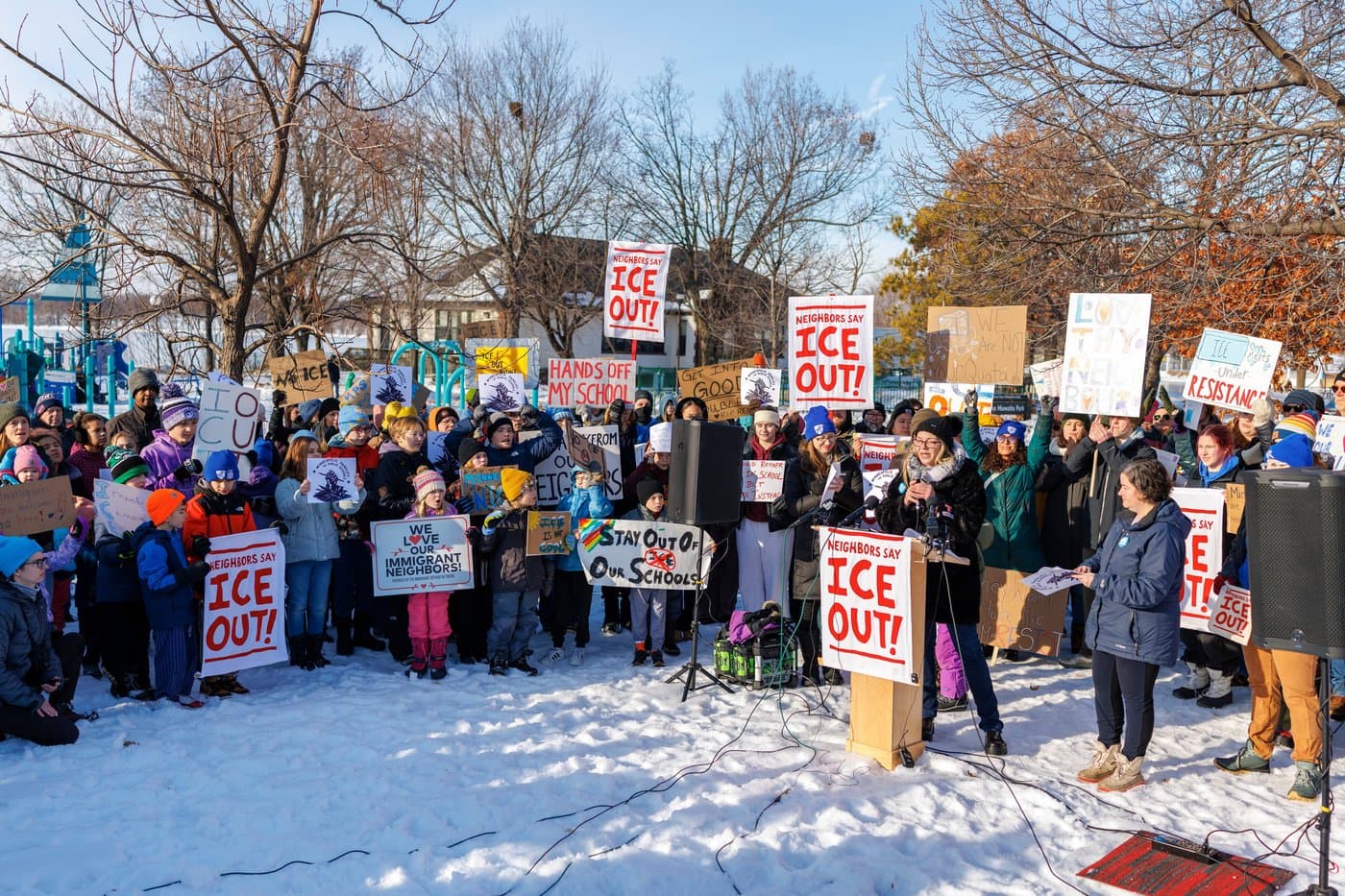
Judge Blocks Freeze of More Than $10 Billion in Child and Family Aid
A federal judge on Jan. 9 temporarily stopped the Trump administration from cutting off over $10 billion in federal child-care and family-assistance funding to five Democratic‑led states, preserving critical support for low-income families and providers. The ruling halts near-term disruption while courts weigh a preliminary injunction, underscoring deep tensions between fraud concerns and the immediate needs of vulnerable communities.
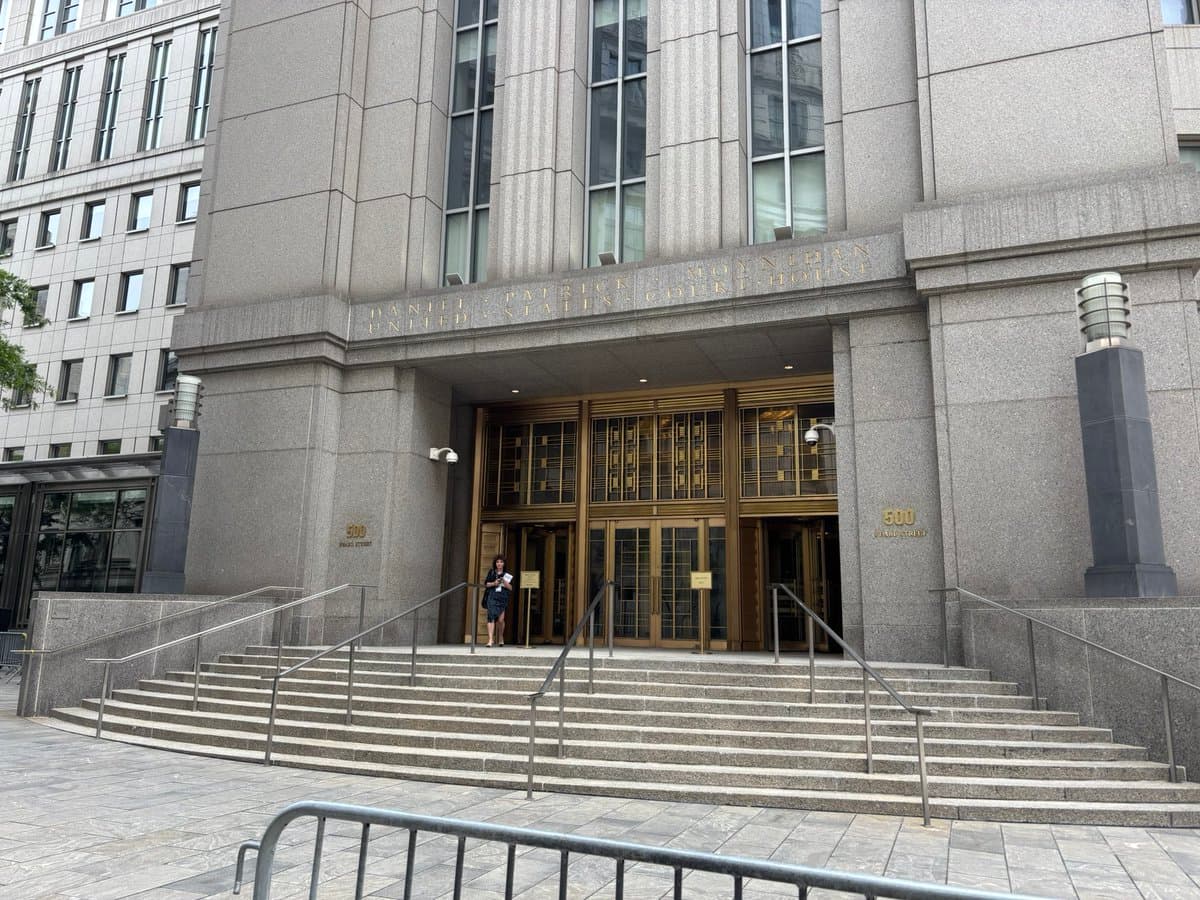
U.S. District Judge Arun Subramanian in Manhattan issued a 14-day temporary restraining order on Jan. 9 that bars the Department of Health and Human Services from freezing more than $10 billion in federal funds destined for California, Colorado, Illinois, Minnesota and New York. The order, issued shortly after the five states filed suit, preserves access to programs serving low-income families while the court considers a motion for a preliminary injunction.
The funds at stake include more than $7 billion from the Temporary Assistance for Needy Families program, which provides cash support to low-income families with children; about $2.4 billion from the Child Care and Development Fund, which subsidizes child care for eligible parents; and roughly $870 million in social-services grants for children. Approximately $5 billion of the frozen money would have gone to California, making the state particularly exposed to immediate losses had the freeze taken effect.
Judge Subramanian, a Biden appointee, granted the temporary relief on the basis that the states showed “good cause” and that a funding freeze would have “immediate and devastating impacts.” His brief order described the relief as “preliminary in nature and is designed to protect the status quo while plaintiffs’ motion for a preliminary injunction is briefed and decided.”
HHS announced the freeze earlier in the week, citing concerns about fraud and seeking additional documentation before disbursing funds. In Minnesota, the agency had earlier paused some assistance and sought audits of certain day-care centers amid allegations involving centers run by Somali residents. HHS Deputy Secretary Jim O’Neill posted on X after the ruling that “To prevent fraud, we asked states to provide receipts before sending taxpayer money for child care.” He added, “Five blue states sued and an activist Biden‑appointed judge just ordered us to stop asking. What are they afraid of?” O’Neill said HHS would follow the court’s order but vowed to “fight.”
State attorneys general and top officials argued that the freeze would immediately jeopardize anti-poverty programs, interrupt child-care subsidies relied on by working parents, and strain the budgets of child-care providers and social-service agencies. New York Attorney General Letitia James hailed the ruling as a “critical victory for families whose lives have been upended by this administration’s cruelty.” California Attorney General Rob Bonta and counterparts in Minnesota, Illinois and Colorado led the challenge.

Public health and social equity advocates warned that suspending these programs would compound harms for low-income households and communities of color. Child-care disruptions can force parents—disproportionately women—to reduce hours or leave the workforce, worsening financial instability and undermining child development and health outcomes that depend on consistent care and supports.
Senator Dick Durbin criticized the administration’s move, warning that children in targeted states would “pay the price,” and alleging the action was politically motivated. The dispute raises broader policy questions about balancing fraud prevention and accountability with the real-time needs of vulnerable populations who depend on federally funded safety-net programs.
The TRO preserves access to funds for two weeks while the litigation proceeds. The states will seek a preliminary injunction to extend relief, and HHS has indicated it will continue to contest the legal challenge even as it complies with the court’s temporary order. Court filings, audits, and any further administrative notices will be closely watched for how the balance between oversight and service continuity is ultimately resolved.
Know something we missed? Have a correction or additional information?
Submit a Tip