Minneapolis Schools Offer Monthlong Remote Option Amid Federal Immigration Enforcement
Minneapolis Public Schools will let families opt into roughly a month of remote learning after intensified federal immigration enforcement and a fatal shooting in the city raised safety fears. The move aims to keep students connected to instruction while authorities and educators grapple with public safety, legal obligations and gaps in access that could deepen educational and health inequities.
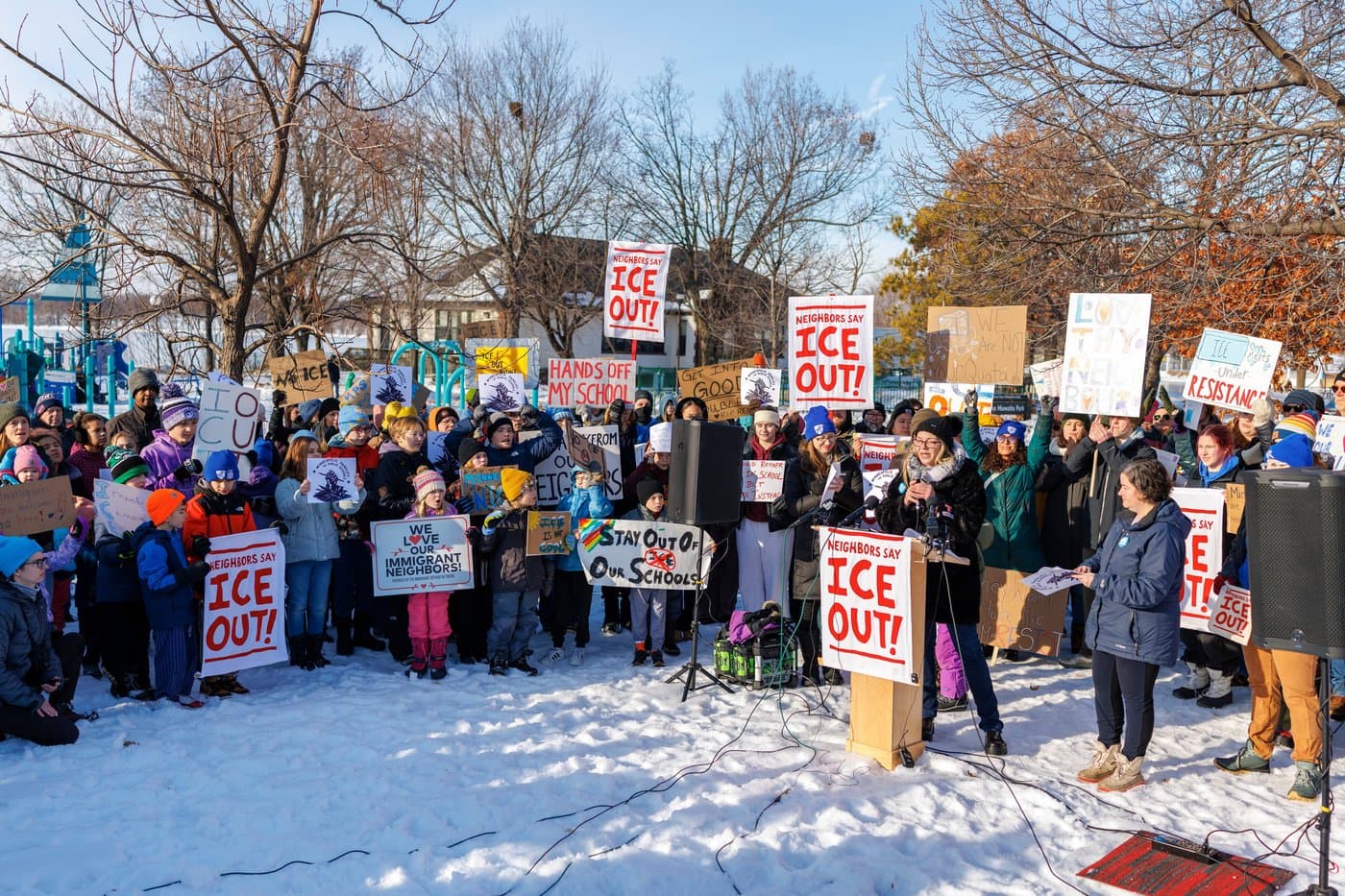
Minneapolis Public Schools announced a temporary remote-learning option to families and staff as the city responded to heightened federal immigration enforcement and community unrest. The district communicated the plan in an email to teachers; the virtual option is slated to be available through Feb. 12. Under the arrangement, teachers will deliver synchronous lessons to students in classrooms and to students participating from home, mirroring the hybrid instruction model many districts used during the COVID-19 pandemic.
Teachers were directed to report to school buildings to receive further details from administrators, but the district has not publicly released full operational guidance. A Minneapolis school administrator wrote in the staff email, “This meets a really important need for our students who are not able to come to school right now.” The district serves nearly 30,000 students and had closed schools on Thursday and Friday amid unrest before announcing the remote option late Thursday.
The decision followed a federal enforcement operation that included a deadly shooting earlier in the week by a federal agent. Some reports named the woman killed as Renee Good, described as a mother of three and a U.S. citizen; those accounts said the shooting occurred on Wednesday. The Trump administration has deployed roughly 2,000 immigration agents to the area, a large-scale presence that local leaders and educators say has stoked fear among immigrant families.
Enforcement activity also led to a tense encounter outside Roosevelt High School at dismissal, where agents detained an individual and bystanders intervened, according to reporting. The Minneapolis Federation of Educators said agents deployed tear gas and detained an educator before releasing them. Protest activity has followed at federal facilities, with federal agents stationed outside federal buildings as demonstrators gathered.
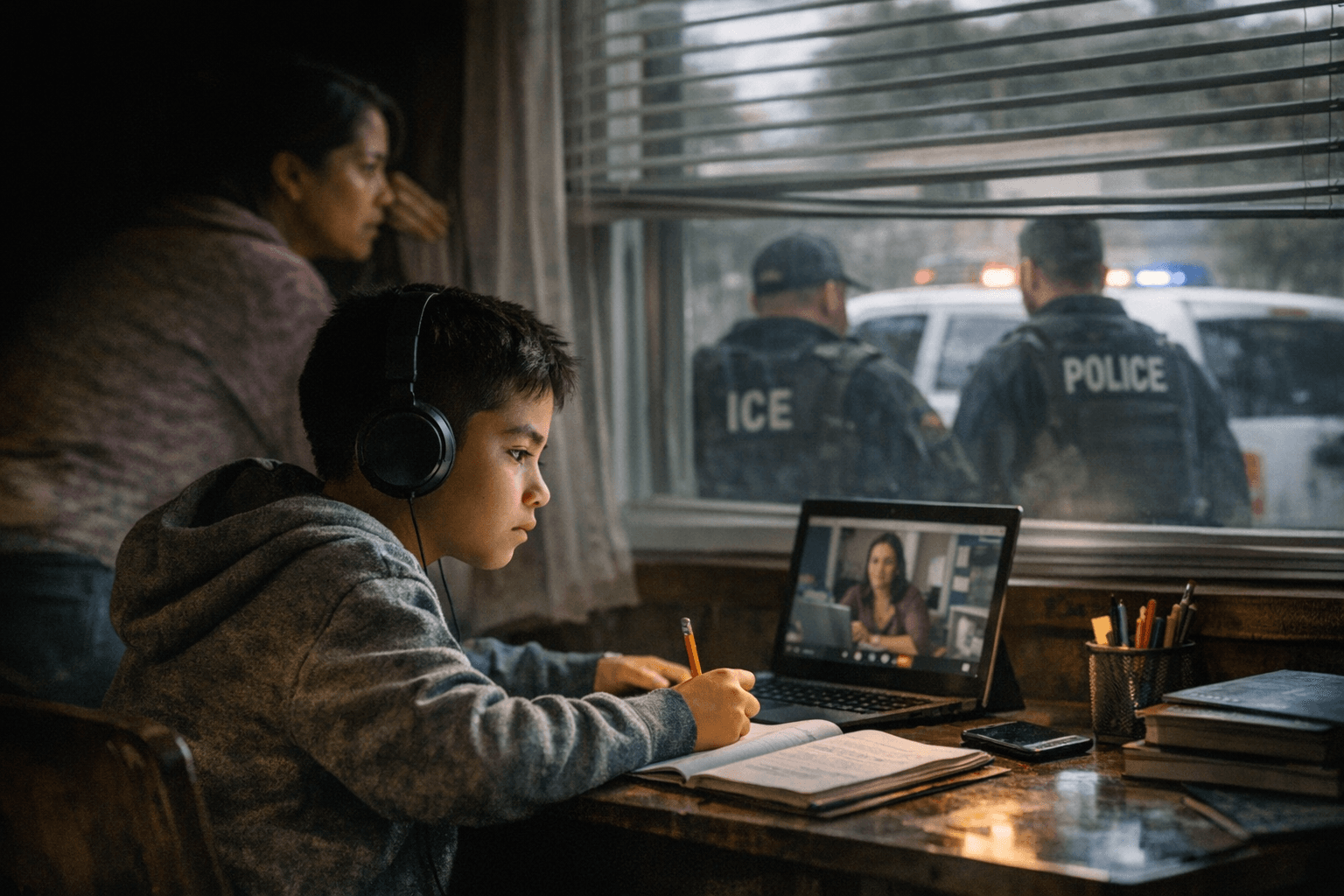
School officials and public health advocates say the measure is intended to reduce barriers to education while families decide whether it is safe to travel to campuses. News accounts emphasize that immigration enforcement activity in U.S. cities has been associated with dips in school attendance, and advocates in other districts have sought remote options to ease fear among immigrant households. Attendance declines can have immediate health and social consequences: students may miss school-based meals, counseling, nursing services, and critical special education supports.
The Minnesota Department of Education said districts and charter schools may provide remote options to enrolled students, noting legal and programmatic responsibilities. Commissioner Willie Jett said, “Plans for online instruction need to consider how the needs of all students can be met, including students with disabilities and students learning English,” underscoring obligations to ensure access and accommodations.
Key operational questions remain unanswered: how attendance will be recorded, whether participation will be excused or optional, how students without reliable internet or devices will be served, and how special education and English-learner services will be delivered. Family uptake and the district’s capacity to provide technology, meals and therapeutic supports will determine whether the temporary program mitigates harm or exacerbates existing inequities. As Minneapolis confronts the immediate safety crisis, educators and public health officials are watching to see whether the plan protects students’ right to learn and preserves their access to essential services.
Know something we missed? Have a correction or additional information?
Submit a Tip