Judge Orders Return of Files From Comey Ally, Complicating Renewed Indictment
A federal judge ordered the Justice Department to return electronic files seized from a longtime friend and former lawyer to James Comey, finding prosecutors exceeded the scope of warrants. The ruling removes evidence prosecutors had sought to use in an effort to reindict the former FBI director, intensifying legal uncertainty and raising questions about prosecutorial practices.
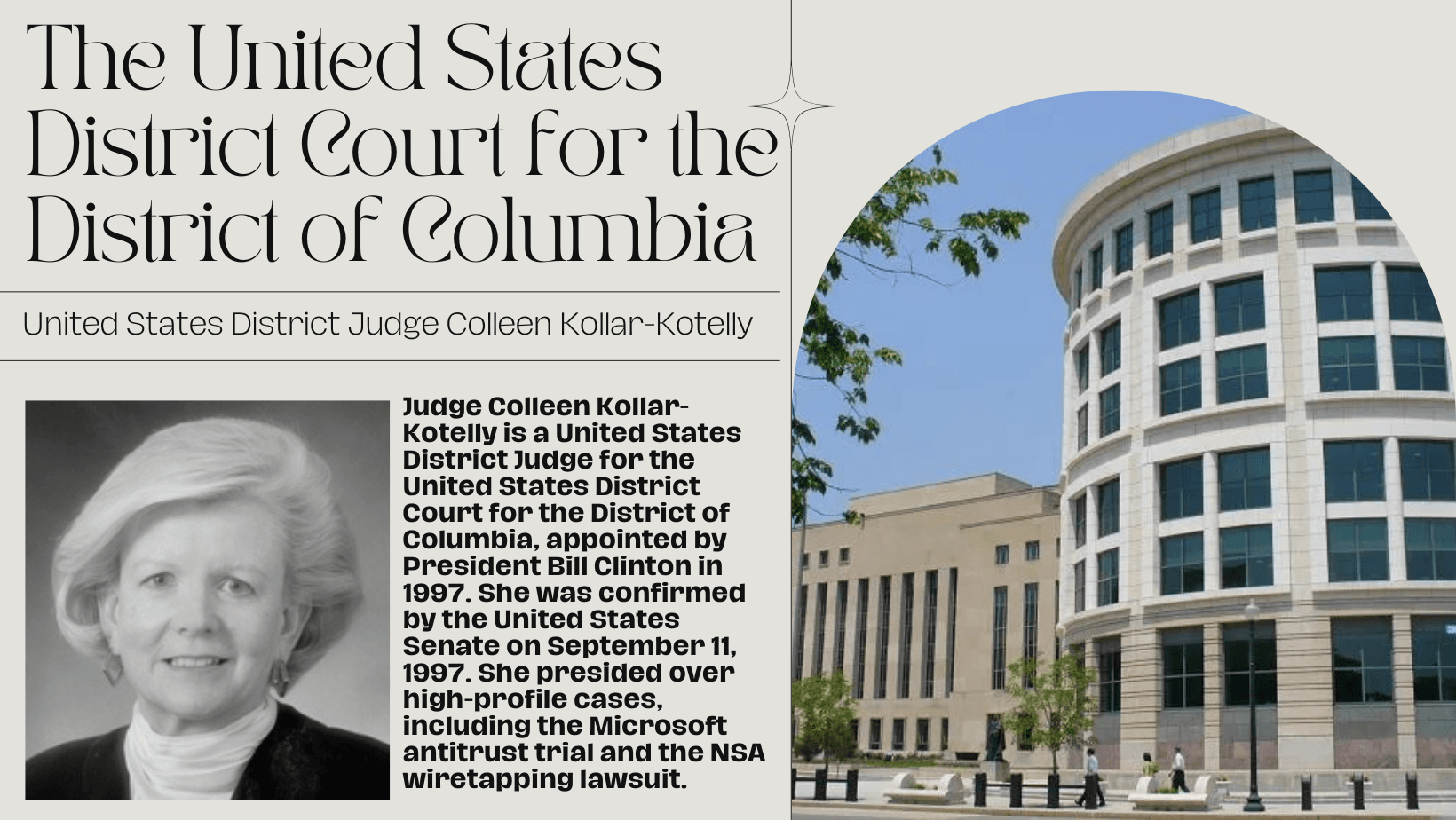
U.S. District Judge Colleen Kollar Kotelly on Saturday directed the Justice Department to return electronic files seized in 2017 from Columbia Law Professor Daniel Richman, concluding that prosecutors had retained and searched material beyond the scope of the original warrants. The judge described the search that produced the data as "manifestly unconstitutional" and ordered that the material be returned immediately, a move that for now bars federal prosecutors from using the seized files as they pursue a new criminal case against former FBI Director James Comey.
The electronic records were taken from Richman during a leak investigation in 2017 that produced no charges at the time. The files later became part of Justice Department inquiries into alleged communications between Richman and Comey. Richman is identified in filings and news reports as a longtime friend and former attorney to Comey, and his communications with the former FBI director had figured in the initial prosecution.
The order follows a recent setback for the Justice Department when U.S. District Judge Cameron Currie dismissed the earlier indictment of Comey after finding that Lindsey Halligan, who was acting as interim U.S. attorney for the Eastern District of Virginia, was not lawfully appointed when she alone presented the case to a grand jury. That ruling voided the initial charging decision but left open the possibility that prosecutors could seek charges again. Prosecutors had argued this week that they needed access to the Richman materials to pursue a renewed indictment. Kollar Kotelly's decision strips them of that avenue, at least for the foreseeable future.
Legal analysts said the decision is a stark rebuke of prosecutorial conduct and a reminder of constitutional limits on searches and seizures. By ordering the immediate return of the files, the judge narrowed the evidence available to the Eastern District of Virginia team that has been pursuing the Comey matter. The ruling does not categorically preclude new charges, but it forces prosecutors either to rely on other evidence or to meet a higher threshold before they can use the Richman material.
The Justice Department did not immediately respond to requests for comment following the ruling, according to reporting. Comey pleaded not guilty in the earlier proceedings, has denied making a false statement, and has accused the government of mounting a vindictive prosecution.

Beyond the immediate courtroom consequences, the case highlights broader institutional questions about how federal law enforcement balances investigative zeal with constitutional safeguards. Courts have long cautioned that warrant returns and subsequent searches must be narrowly tailored, and Kollar Kotelly's order underscores the consequences when judges find those bounds exceeded.
For the public, the dispute underscores how procedural errors and disputes over evidence can shape the arc of high profile prosecutions, sometimes more decisively than disputed facts about underlying conduct. The decision also reverberates in discussions about accountability and equal application of the law, particularly when government overreach can impede both investigative integrity and public trust.
As prosecutors weigh their next steps, including whether to try to obtain the material again under different authorization or to pursue other lines of inquiry, the case will continue to test the Justice Department's ability to marshal evidence while adhering to constitutional limits.
Know something we missed? Have a correction or additional information?
Submit a Tip