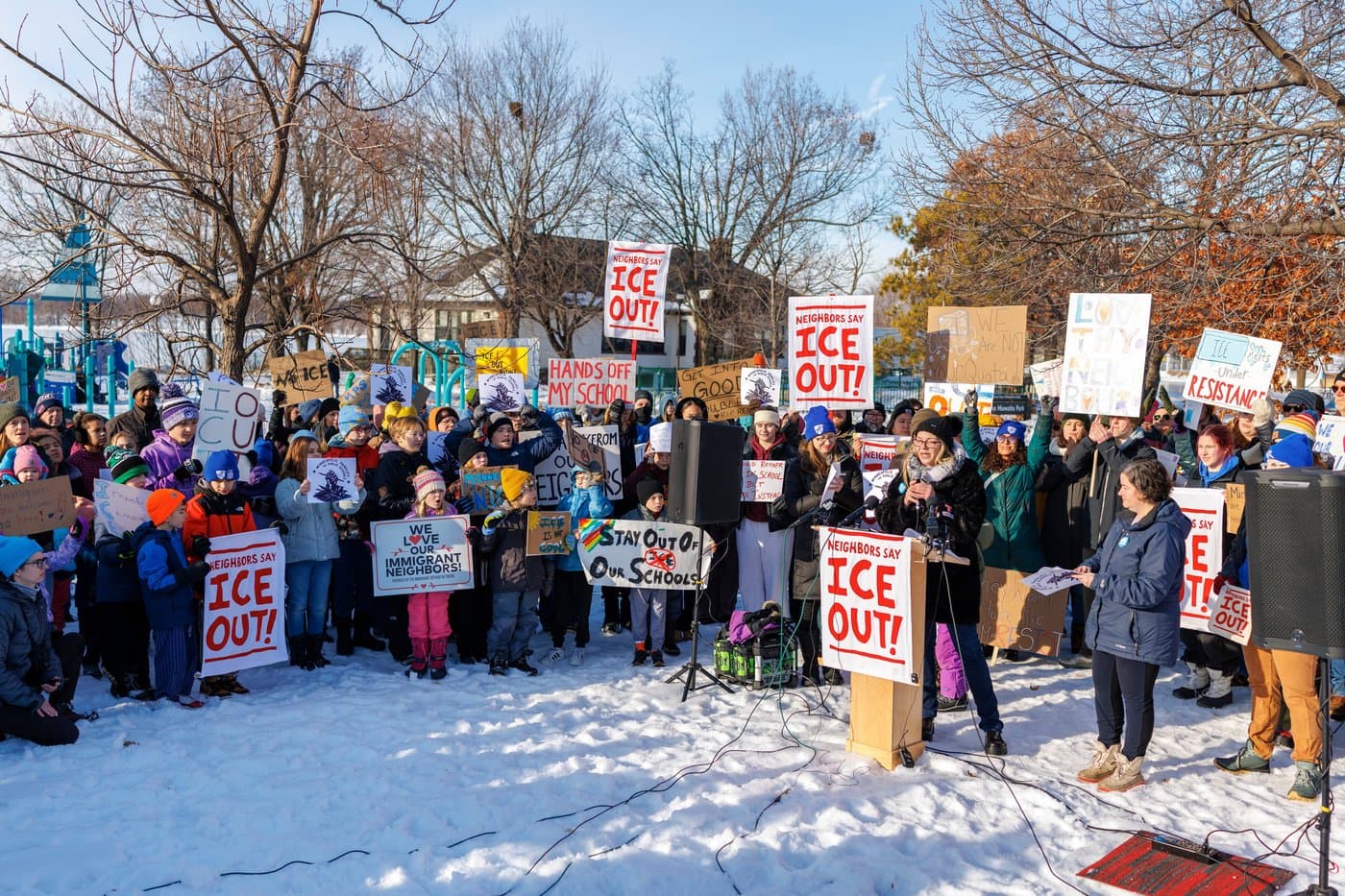
Judges Temporarily Block Two Trump-Era Moves on Migrants and State Aid
Two federal judges this week issued short-term restraints that preserve family-reunification parole for roughly 10,000–12,000 migrants and keep about $10 billion in federal social-services funds flowing to five states. The orders pause administration actions that would have immediate human and fiscal consequences while courts evaluate their legality.
Two federal judges this week moved to halt separate Trump administration actions that would have reshaped immigration parole and curtailed federal social-services aid, issuing temporary restraining orders that preserve existing programs while courts weigh longer-term relief.
In Boston, a U.S. district judge told lawyers she intends to issue a temporary restraining order by Monday to prevent the Department of Homeland Security from ending family-reunification parole for migrants from seven Latin American countries. The administration’s decision targeted an estimated 10,000–12,000 migrants whose entry and reunification processes would have been suspended, potentially delaying or denying reunification with relatives in the United States. The judge’s anticipated order would pause that termination while the court considers the legal challenge.
Separately in Manhattan federal court, U.S. District Judge Arun Subramanian on Friday granted a 14-day temporary restraining order blocking the Department of Health and Human Services from freezing roughly $10 billion in federal social-services funding to five states: California, New York, Minnesota, Illinois and Colorado. The funds at issue include an estimated $7 billion from the Temporary Assistance for Needy Families program, $2.4 billion from the Child Care Development Fund, and about $870 million in other social-services grants. The order preserves those disbursements while the court considers the states’ request for a longer preliminary injunction.
The two actions reflect sharply different policy aims but a similar legal dynamic: plaintiffs argue the government’s moves would cause immediate, concrete harm, while the administration has framed them as necessary steps to prevent fraud or enforce policy. In public comments defending the HHS action, a person identified as Kennedy said, “The best way to help poor families is to end the fraud so that the money that is available for them. And that’s what we’re doing.” The affected states countered in court filings that the fraud rationale is a pretext intended to penalize Democratic-led states and that freezing the funds would be “extraordinary and cruel,” imperiling services for children and low-income families.
Economically, the injunction in the HHS case forestalls a significant fiscal shock for state-administered safety-net programs. A sudden interruption of $7 billion in TANF and $2.4 billion in child-care support would have strained state budgets and service providers, risking payment delays to families, cash-flow stress for community organizations, and increased demand for emergency municipal assistance. While $10 billion is modest relative to the federal budget, it is material for the programs and agencies that rely on these grants to fund basic assistance and childcare infrastructure.
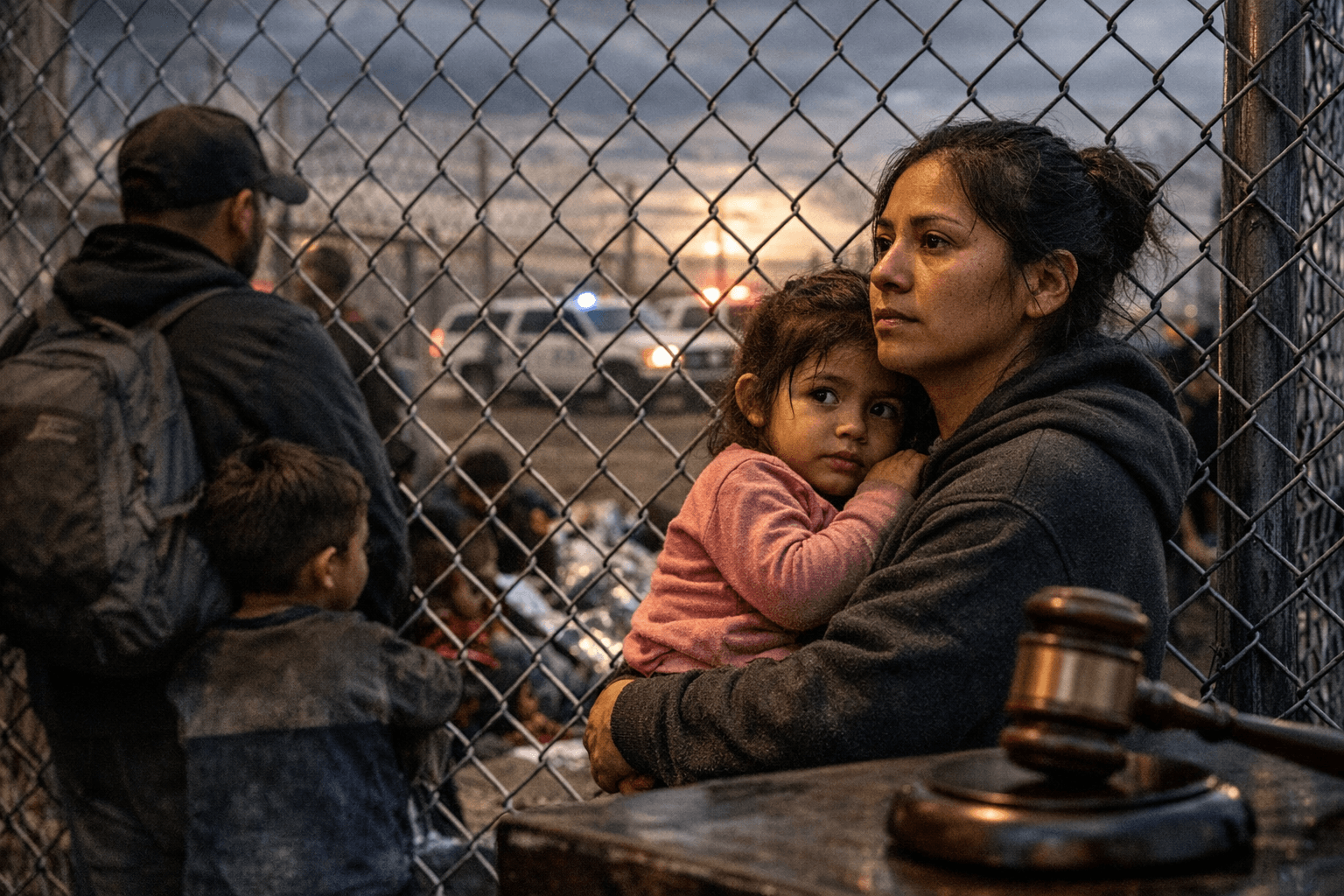
The immigration pause affects a smaller but highly consequential population. Family-reunification parole has been used to allow certain relatives to enter the United States while immigration proceedings proceed; halting that channel for more than 10,000 people would have immediate humanitarian and administrative effects, compounding existing backlogs.
Both orders are temporary. The Boston judge’s planned TRO will remain in place at least until the court addresses requests for a longer injunction, and Judge Subramanian’s 14-day order sets a near-term timetable for additional briefing and hearings. Together the cases underscore how litigation is shaping the pace and reach of executive policy across immigration and domestic programs, with courts serving as the arbiter of immediate relief that can determine whether policy changes take effect.
Know something we missed? Have a correction or additional information?
Submit a Tip