Justice Department Asks Appeals Court to Block Contempt Probe
The Justice Department filed an emergency petition asking the D.C. Circuit to halt or narrow a district court contempt inquiry into the Trump administration’s March removal flights that sent Venezuelan migrants to El Salvador. The request seeks to preclude key testimony and to remove U.S. District Judge James Boasberg from parts of the proceeding, raising immediate questions about judicial oversight, separation of powers, and how allegations of government misconduct are investigated.
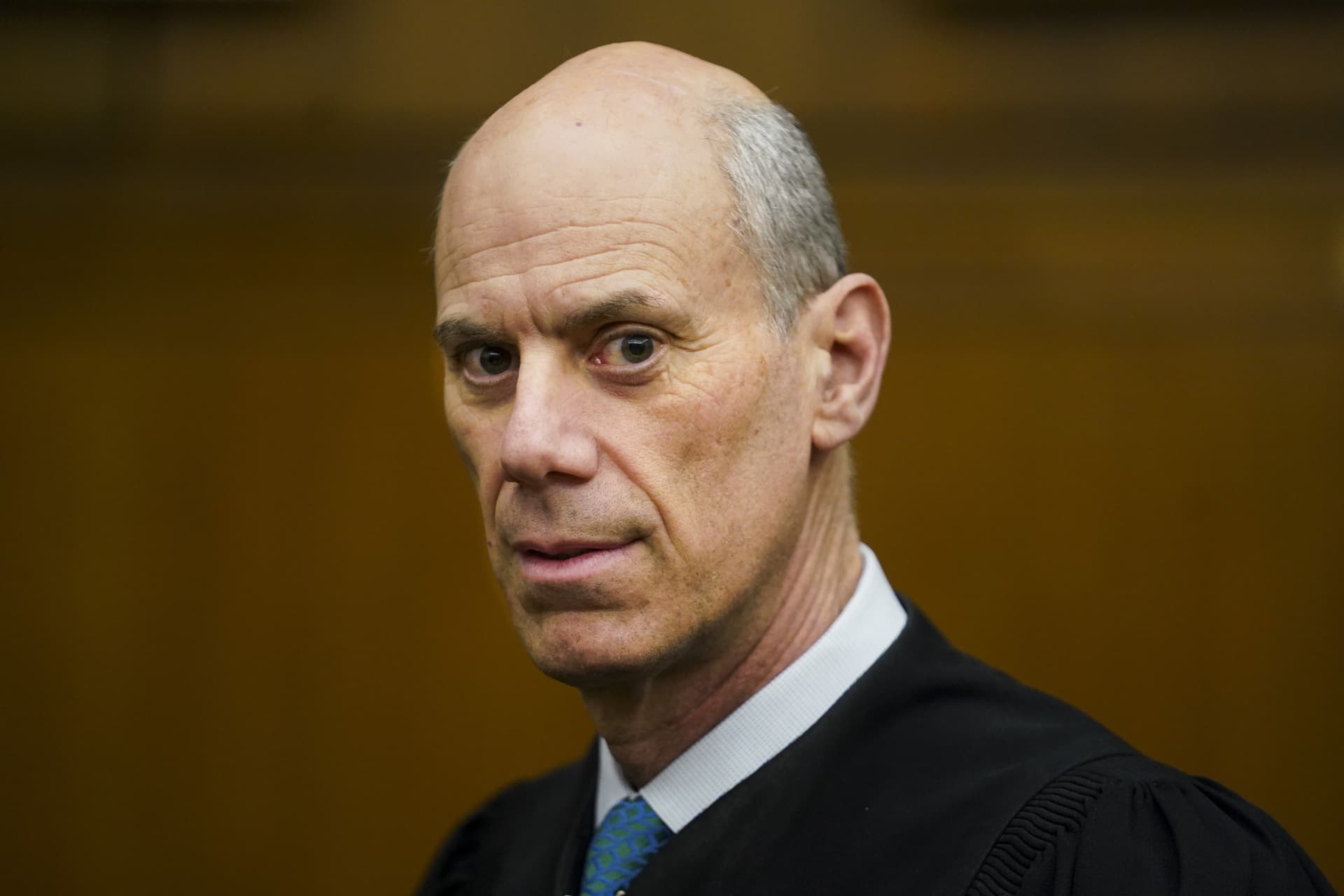
The Justice Department on Friday asked the U.S. Court of Appeals for the District of Columbia Circuit to stop a contempt investigation and related testimony tied to removal flights last March that transported Venezuelan migrants to El Salvador. In an emergency petition, department lawyers asked the appeals court either to block the district court’s inquiry entirely or, at minimum, to preclude specific testimony scheduled for next week and to remove or partially recuse U.S. District Judge James Boasberg from portions of the matter.
The contempt inquiry centers on prosecutors’ allegation that government officials failed to turn around aircraft carrying Venezuelan migrants who were bound for El Salvador. Boasberg, who has overseen the matter, is conducting fact finding to determine whether the record supports referring potential contempt matters for prosecution. He scheduled testimony and cross examination of former Justice Department lawyer Erez Reuveni, who filed a whistleblower complaint and has publicly asserted that the administration ignored court orders in this and other cases.
In its filing the Justice Department characterized the district court’s actions as “idiosyncratic and misguided,” and warned that the inquiry risked becoming an “unseemly and unnecessary interbranch conflict,” language the petition said reflected the department’s view that the matter “never should have begun” and “should not have continued.” The petition asked the appeals court to act swiftly, requesting a decision before a Monday hearing at which Reuveni was to appear, and sought to block the scheduled testimony of two current and former department officials who had been ordered to testify.
Judge Boasberg has signaled that a recent D.C. Circuit ruling gave him authority to proceed with the contempt inquiry, a legal premise that underpins his scheduling decisions and the possibility of a prosecutorial referral. Should the appeals court grant the Justice Department’s emergency request, it could pause Boasberg’s proceedings, limit the topics and witnesses he may examine, or assign portions of the matter to a different judge. If the appeals court declines emergency relief, Boasberg was prepared to proceed with the testimony and cross examination as scheduled.
The dispute highlights a broader institutional friction over how courts police alleged violations by the executive branch and the proper reach of a district judge’s contempt powers. At stake are mechanisms for accountability when federal actors appear to defy court orders, and the role of internal department processes in resolving such claims. The question of recusal also raises procedural concerns about when a judge’s prior actions or rulings require stepping aside to preserve the appearance of impartiality.
For the public, the petition sets up a rapid legal dance between the judiciary and the Justice Department that will determine whether a fact finding inquiry moves closer to criminal referral or is curtailed on jurisdictional grounds. The appeals court’s decision in the coming days will shape immediate oversight of the March flights and could establish contours for how similar disputes between courts and the executive branch are resolved going forward.
Sources:
Know something we missed? Have a correction or additional information?
Submit a Tip