Justice Department Seeks Court Stay, Blocks Contempt Probe Over Deportation Flights
The Justice Department asked the D.C. Circuit to stay a contempt inquiry by U.S. District Chief Judge James Boasberg into whether Trump administration officials willfully disobeyed an order to turn around flights carrying Venezuelan migrants to El Salvador. The move raises immediate questions about judicial authority, executive accountability, and the humanitarian and public health consequences for migrants and communities involved.
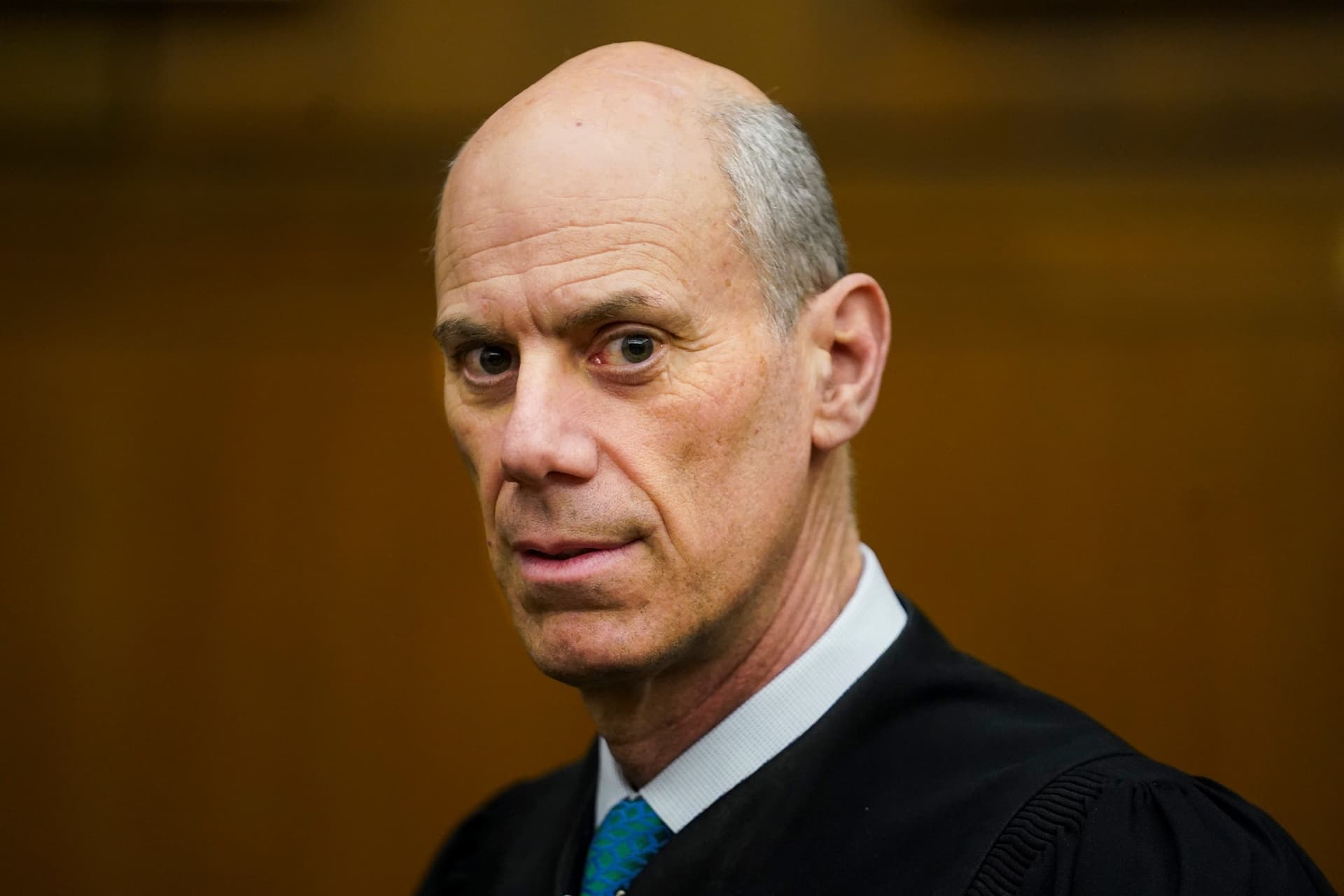
The Justice Department filed emergency petitions with the U.S. Court of Appeals for the D.C. Circuit on December 12 and 13 seeking to block a contempt investigation that U.S. District Chief Judge James Boasberg revived to examine whether officials deliberately ignored a March order to turn around deportation flights carrying Venezuelan migrants to El Salvador. In its filings the department also asked that Boasberg be removed from the case and that testimony ordered by the judge be barred.
The contempt inquiry stems from litigation over the government’s use of the Alien Enemies Act to deport noncitizens. Boasberg issued an oral order on March 15 and later a written order, and the judge has said Deputy Assistant Attorney General Drew Ensign conveyed those orders to the Department of Homeland Security. Boasberg scheduled Ensign to testify on a date following the emergency filings and had previously ordered other current and former officials to appear.
The Justice Department described the inquiry in its petition as an “idiosyncratic and misguided inquiry” and urged the appeals court to intervene by the deadline in the filing. The department also wrote that the dispute “never should have begun; should not have continued at all after this Court’s last intervention; and certainly should not be allowed to escalate into the unseemly and unnecessary interbranch conflict that it now imminently portends.” DOJ asked the D.C. Circuit to either terminate the contempt proceedings entirely or at minimum to preclude the scheduled testimony of the officials the judge had ordered to appear.
Fox News reporting cited an additional declaration by Governor Kristi Noem in which she said she “made that call” based on legal advice from department lawyers and the acting general counsel for DHS, though the reporting did not quote the precise action the phrase referred to. Fox also said the filing was “almost certain” to provoke reactions from some Republicans in Congress and from President Trump, who has previously criticized Boasberg in connection with the Alien Enemies Act litigation.

The Justice Department’s move to seek Boasberg’s recusal and to block witness testimony sets up an institutional clash over the boundaries of judicial oversight and executive branch discretion. For advocates and communities that serve migrants, the dispute has immediate human consequences. Large scale deportation operations can disrupt continuity of medical care, separate families, and strain local health and social services in both sending and receiving communities. Migrants returned to countries with limited health infrastructure often face heightened risks related to chronic illness, interrupted treatments, and mental health trauma from abrupt displacement.
Public health and social equity implications are embedded in the legal fight. Courts enforcing their orders play a role in ensuring agencies take account of humanitarian protections and statutory limits. Conversely, sweeping assertions of executive immunity from contempt proceedings could reduce judicial leverage to secure compliance with rulings that aim to protect vulnerable populations.
The D.C. Circuit has not ruled on the emergency petitions. Its response will determine whether the contempt probe proceeds, whether scheduled testimony will be blocked, and whether Chief Judge Boasberg remains on the case. The outcome will signal how aggressively courts may act to enforce their orders in disputes that intersect with immigration policy, public health, and the treatment of noncitizens at the margins of the legal system.
Know something we missed? Have a correction or additional information?
Submit a Tip