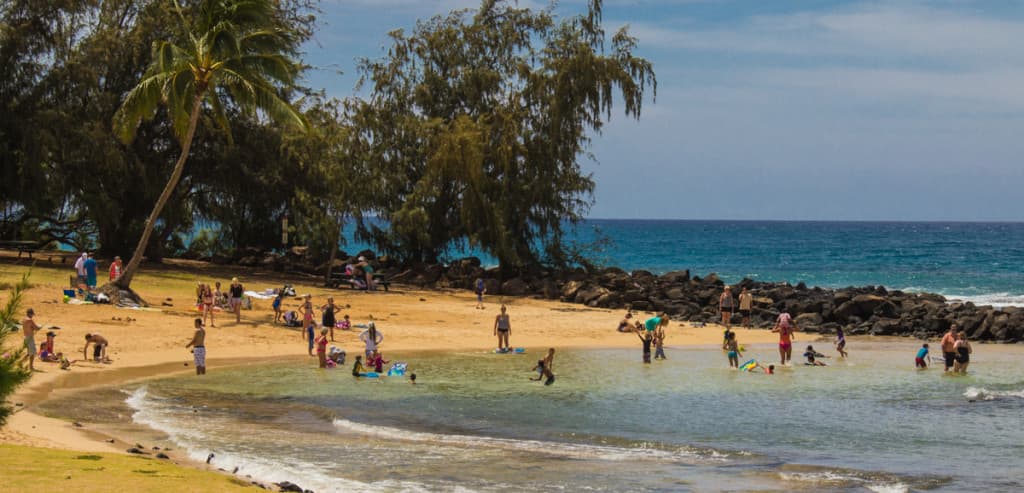
Kauai Hiking Safety Essentials, Best Family and Challenging Trails
This guide lays out popular Kauaʻi hikes and practical safety basics for residents and visitors, identifying family friendly short walks and more demanding routes that require permits or extra caution. Knowing which trails need preparation, what gear to carry, and how limited cell coverage affects rescue response matters for local safety, emergency costs, and the island economy.
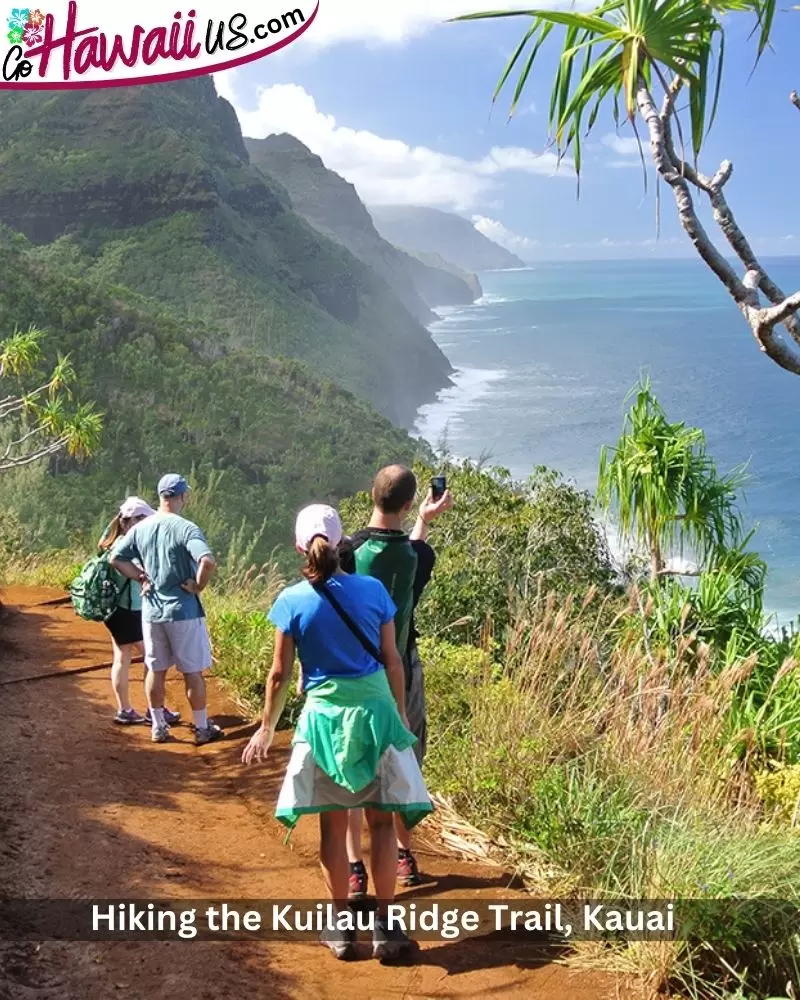
Popular short, family friendly hikes on Kauaʻi include walks near the Kīlauea Lighthouse, accessible sections of the Keālia Trail, the Sleeping Giant Nōhili and Nounou East and West short loops, and marked coastal walks near Poʻipū. These routes are generally suitable for children and casual visitors when basic precautions are taken, and they form an important part of the island economy by supporting local tour operators, rental businesses, and hospitality services.
More challenging and traditional hikes require planning and sometimes permits. Sections of the Kalalau Trail demand caution, with overnight campers required to obtain a permit and day hikers advised to prepare for rugged terrain. The Alakaʻi Swamp and Kōkeʻe trails, along with inland ridge hikes, can be remote and physically demanding. These routes attract experienced hikers and contribute to visitor spending, but they also increase pressure on search and rescue resources and trail maintenance budgets.
Safety basics apply to all visitors. Carry ample water, use sun protection, and wear proper hiking shoes. Expect limited cell coverage in many interior and coastal areas, and check tide and weather forecasts before setting out. Avoid hiking at night when trails become more hazardous. Helicopter and air rescue responses can be lengthy and are reserved for emergencies, so prevention and preparedness remain the best strategies for staying safe and reducing emergency costs for the county.
Local impact is both immediate and long term. Frequent rescues and trail damage raise operating costs for emergency services and can divert county resources from other needs. For businesses that depend on outdoor recreation, a strong safety record helps maintain tourist demand and limits liability. Policy responses that would reduce risk include consistent permit enforcement on high impact trails, clearer signage at trailheads, expanded public information on cell coverage limits, and targeted funding for trail maintenance and rescue capacity. Over time, rising interest in outdoor recreation coupled with variable weather and sea conditions means the county may need to invest more in infrastructure and public education to preserve both visitor safety and the economic benefits that hiking brings to Kauaʻi.