Lights on Rice Parade Brings Traffic Changes, Transit Disruptions
The annual Lights on Rice Parade in Līhuʻe drew crowds on Friday evening and prompted planned road closures, parking restrictions, and temporary transit changes that affected residents and visitors across central Kauaʻi. Those disruptions highlighted the need for accessible transportation planning and clear communication to protect public safety, maintain access to services, and reduce burdens on transit dependent residents.
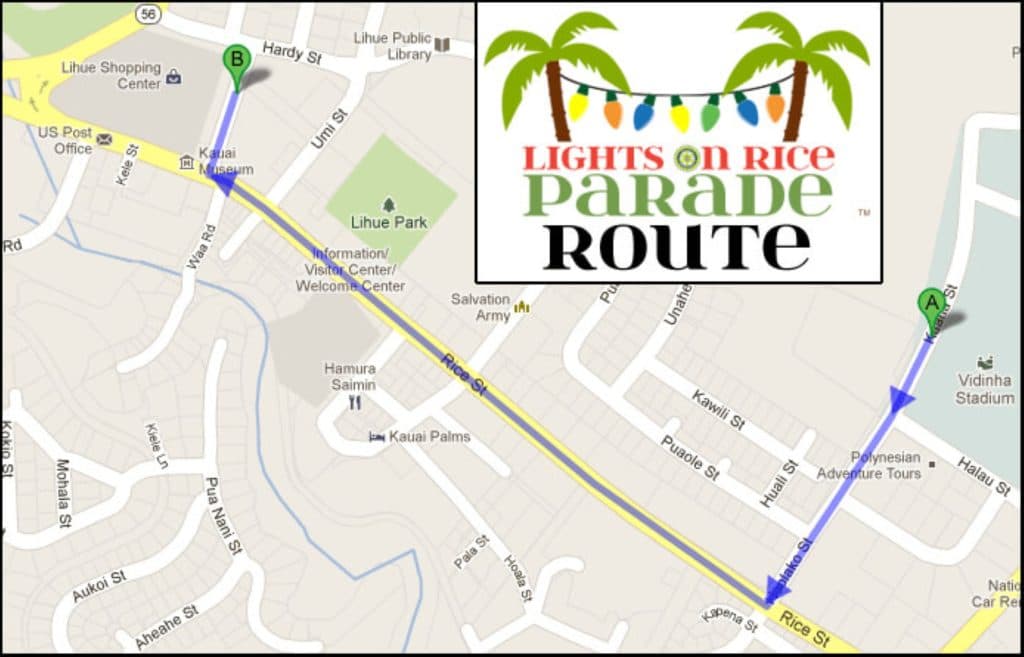
County officials and event organizers closed streets in central Līhuʻe on Friday evening for the Lights on Rice Parade, which began at Vidinha Stadium at 6:30 p.m., proceeded down Hoʻolako and Rice Streets, and finished at the Historic County Building on ʻEiwa Street. Streets along the parade route were closed from 5:00 p.m. to 8:00 p.m., or until the parade concluded, and no parking was allowed along the route beginning at 5:00 p.m. Some nearby county and state parking areas were further restricted to accommodate parade floats.
The parade coincided with the Kauaʻi Museum craft fair, increasing pedestrian activity around the downtown core and creating additional demand for parking and transit. Kauaʻi Bus adjusted service to accommodate the event, temporarily relocating the stop on ʻEiwa Street and suspending Route 70 Līhuʻe Shuttle service on Rice Street during the parade. Organizers advised motorists to plan for delays and to follow posted signs and on site personnel for directions and safety information. Attendees were also reminded of safety and weather contingencies.
For residents who rely on public transit, these kinds of closures can present real challenges. Temporary stop relocations and route changes can increase walking distances for older adults, people with mobility limitations, families with young children, and anyone without private vehicles. Parking restrictions near the route reduced available spaces for caregivers, service providers, and visitors with appointments in the area. While such events bring economic and social benefits, they also underscore the importance of inclusive planning that accounts for transportation equity and uninterrupted access to health care and social services.
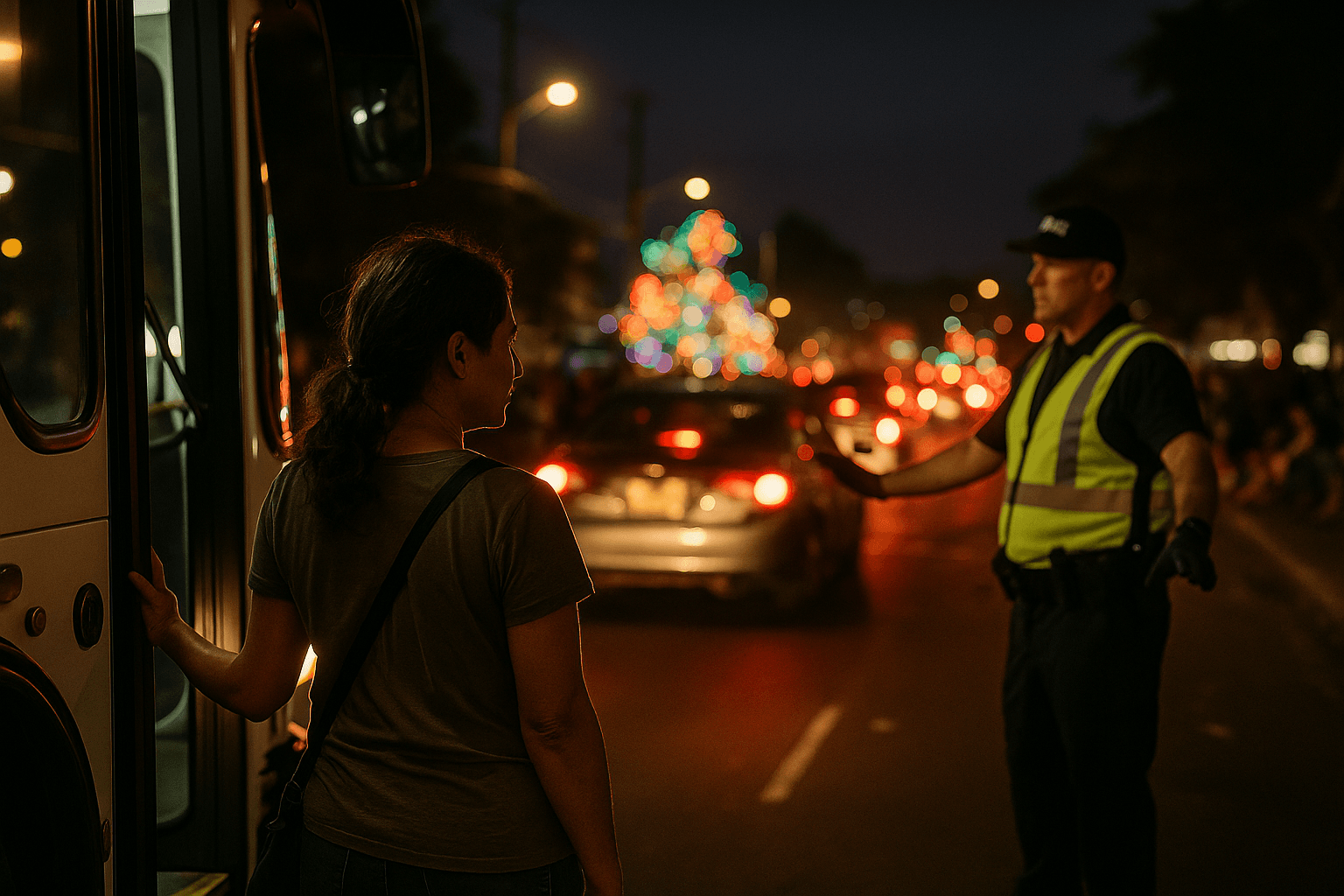
Public health considerations include crowd management, safe pedestrian crossings, and maintaining timely access for emergency vehicles. Advance notice and multilingual outreach, prioritized accessible drop off locations, and coordination between event organizers, the county, and transit agencies can help mitigate disruptions for vulnerable populations. As the holiday season continues, residents are advised to allow extra travel time, check transit notices, and consider alternative routes or plans for appointments scheduled during community events.