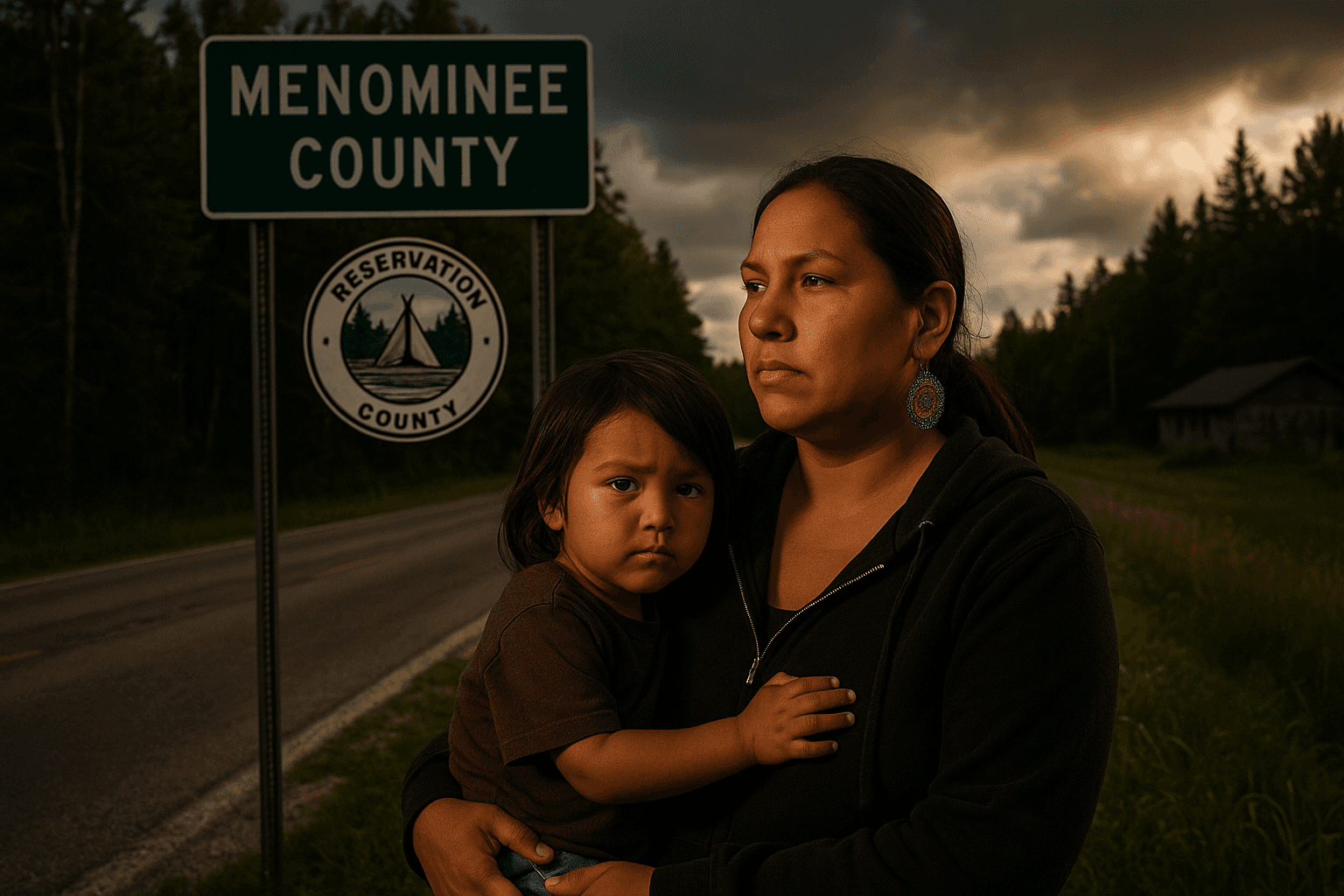
Keshena Falls Draws Visitors, Prompts Local Policy and Safety Questions
Keshena Falls is a popular natural landmark on or near the Menominee Indian Reservation, drawing hikers and photographers and raising questions about access, safety and stewardship. Local residents and officials face decisions about signage, parking, emergency response and coordination with tribal institutions to protect cultural sites and public safety.
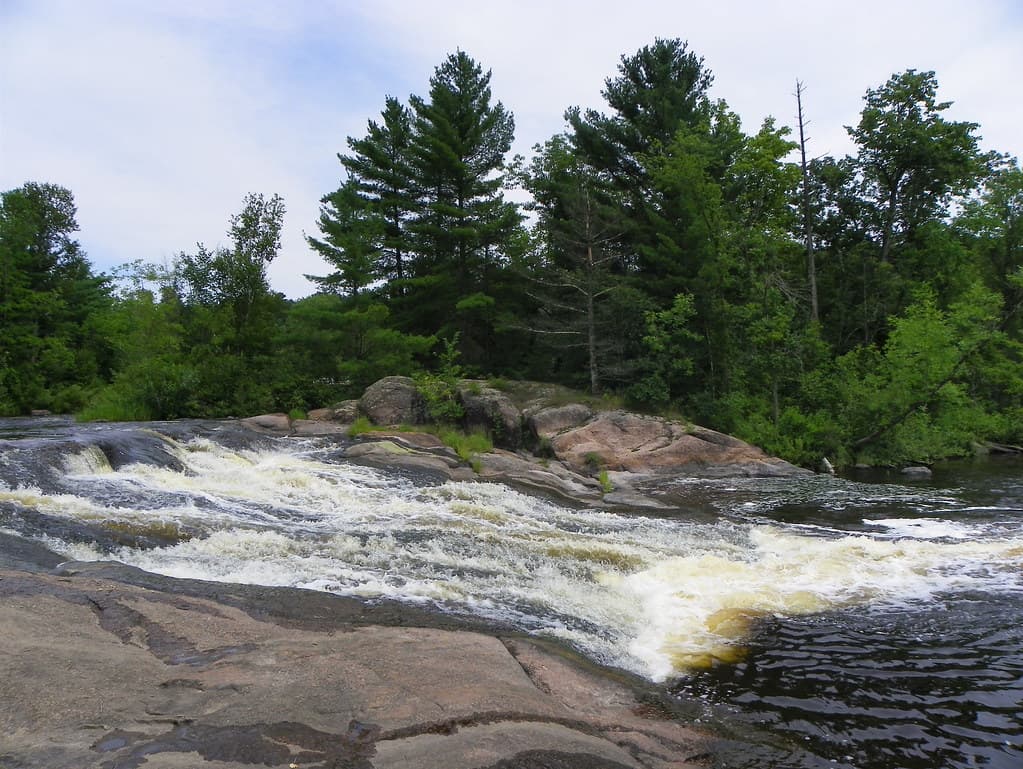
Keshena Falls has long been a favored destination for short hikes, seasonal photography and outdoor recreation, situated on or near the Menominee Indian Reservation area. Its popularity brings steady foot traffic from residents and visitors, and with that attention comes practical issues about land access, visitor safety and respect for cultural resources. Tribal land access rules apply, and local advisories encourage visitors to respect cultural sites, pack out trash and use caution on icy or wet terrain during winter months.
Access and parking can vary by location, and local authorities advise checking with Menominee tribal offices or the College of Menominee Nation for recommendations and any posted advisories before a visit. That procedural guidance underscores a broader institutional reality, the primacy of tribal authority over land use within reservation boundaries, and the need for clear coordination between county agencies, tribal governance and regional institutions that serve residents and visitors.
The situation has policy implications for Menominee County as it balances public access with respect for tribal sovereignty. County leaders and tribal officials must address signage, designated parking, trail maintenance and emergency response protocols to reduce search and rescue demands and limit environmental damage. Clear, jointly agreed signage could reduce incidents on icy trails and prevent inadvertent trespassing on sensitive sites. Coordinated planning also affects liability exposure for public agencies and the local economy by shaping visitor experiences.
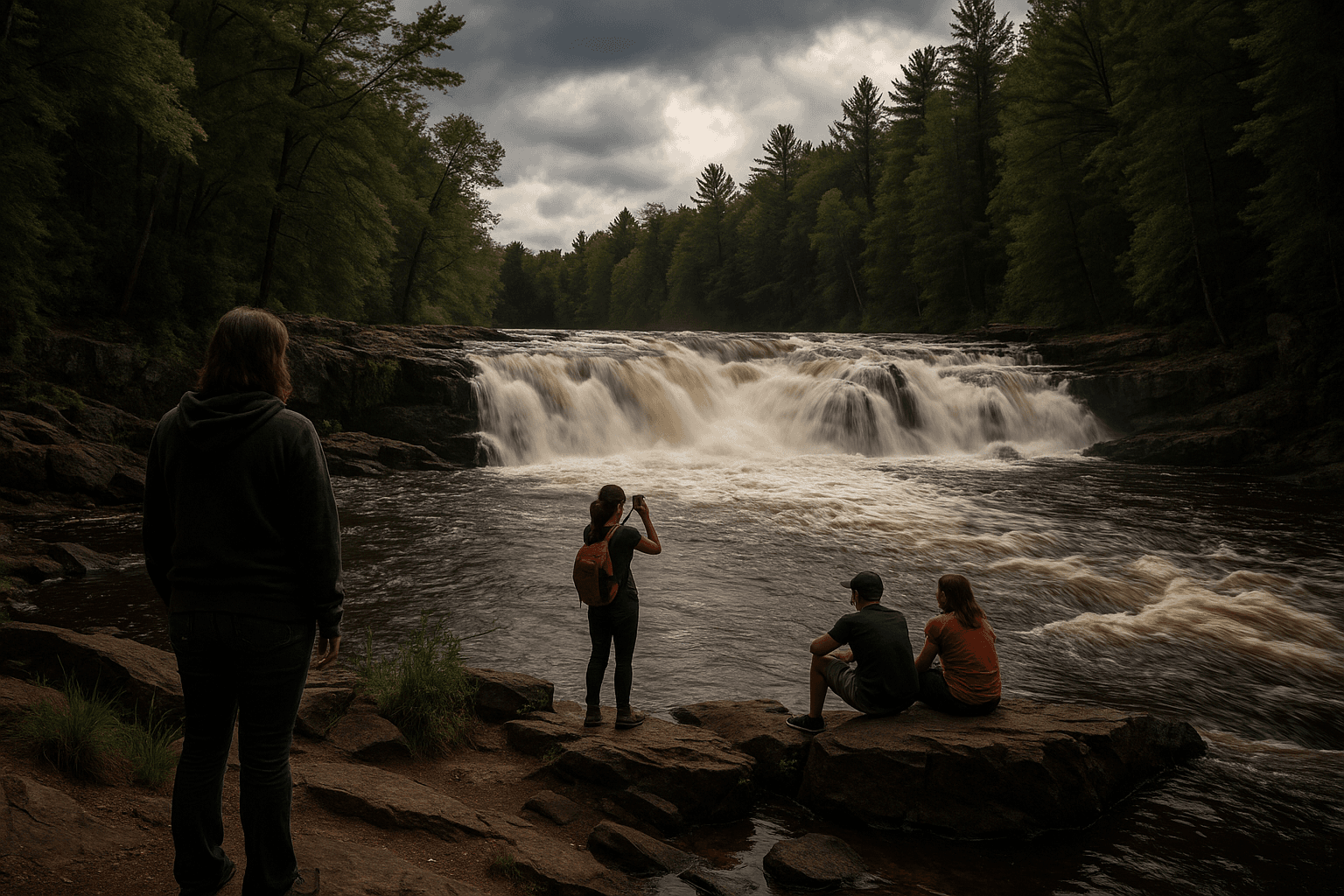
For residents the stakes are practical and civic. Keshena Falls offers recreational and educational value, yet it requires community stewardship to preserve natural and cultural qualities. Local civic engagement can influence how services and rules are implemented by encouraging attendance at tribal and county meetings, requesting collaborative emergency plans and advocating for funding to support safe access and interpretive materials that explain local rules.
Visitors should confirm current access and advisories with Menominee tribal offices or the College of Menominee Nation before travel, observe posted guidelines on cultural site protection, carry out all trash and exercise caution in winter conditions. Effective collaboration between tribal leaders, county officials and the College will determine whether Keshena Falls remains both accessible and respectfully managed for future generations.