Menominee County governance, services and civic engagement landscape explained
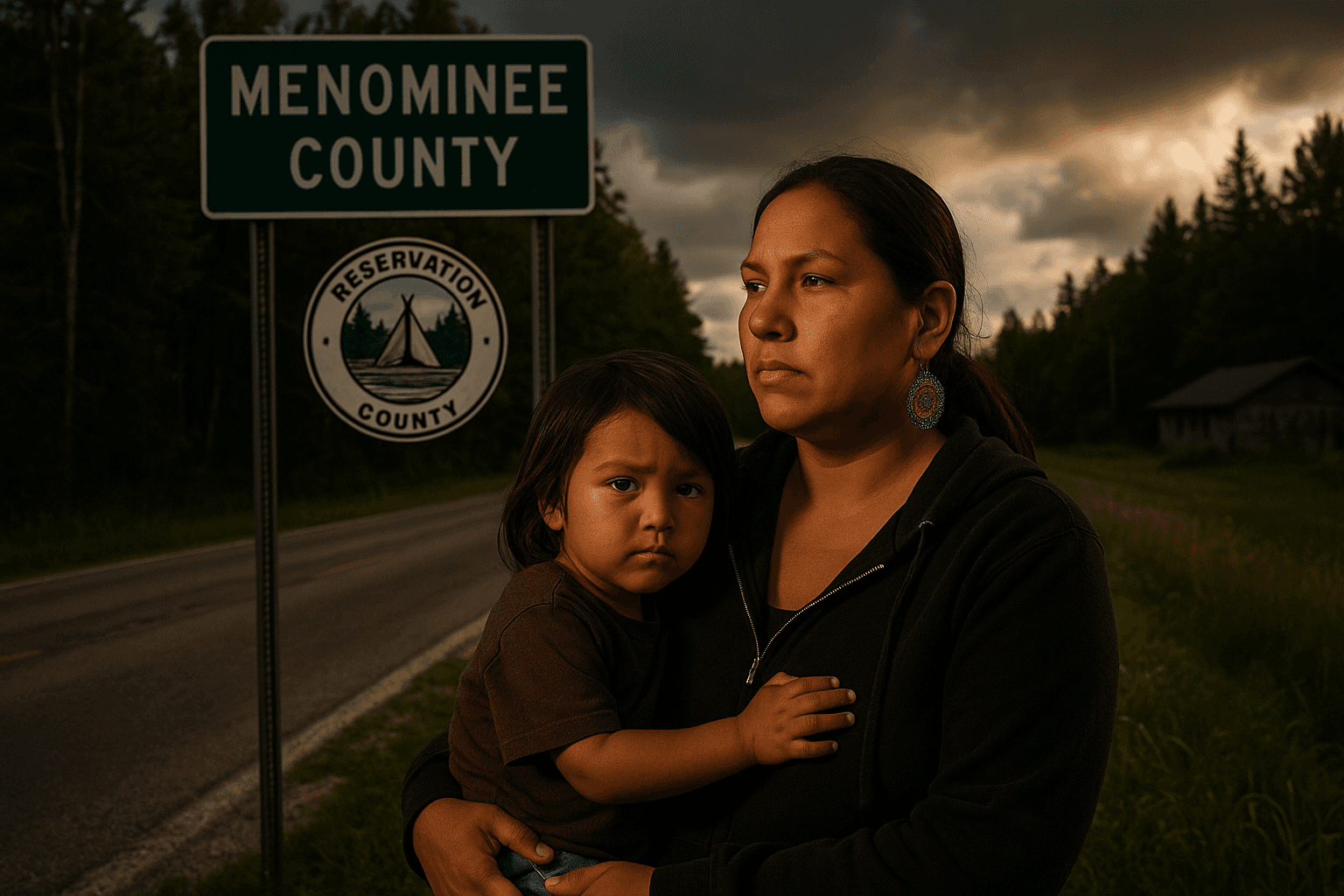
Menominee County functions as a reservation based county where tribal government, education, healthcare and community programming are central to daily life. Understanding how services are organized in Keshena, Neopit and Zoar matters for residents seeking public services, participating in local decision making, and tracking meeting schedules or election information.

Menominee County is structured around the Menominee reservation and the institutions that operate within it, with Keshena serving as the largest population center and primary location for tribal government offices, the College of Menominee Nation campus and many community services. Neopit houses a village precinct and community centers that provide local access points for civic life. Zoar remains a smaller community focused on cultural buildings and gatherings. This geographic and institutional concentration shapes how residents access services and engage with governance.
The county’s reservation based identity means that tribal government entities deliver a wide range of services that in other jurisdictions might be managed by county or municipal agencies. Education, healthcare and community events often originate from tribal offices and the school district. The presence of the College of Menominee Nation campus contributes to education and workforce development in the county, and the Menominee Indian School District provides a calendar that residents rely on for school related schedules and community programs.
For civic participation and policy oversight, the configuration of precincts and community centers matters. Local precincts in Neopit and civic meeting locations in Keshena concentrate voting and public engagement activity, making accurate schedules and clear communication essential for turnout and accountability. Small population centers and reservation governance arrangements can complicate coordination with county and state authorities when it comes to funding, public health responses and infrastructure planning. That dynamic reinforces the need for transparent calendars and direct lines of communication between tribal officials and county administrators.
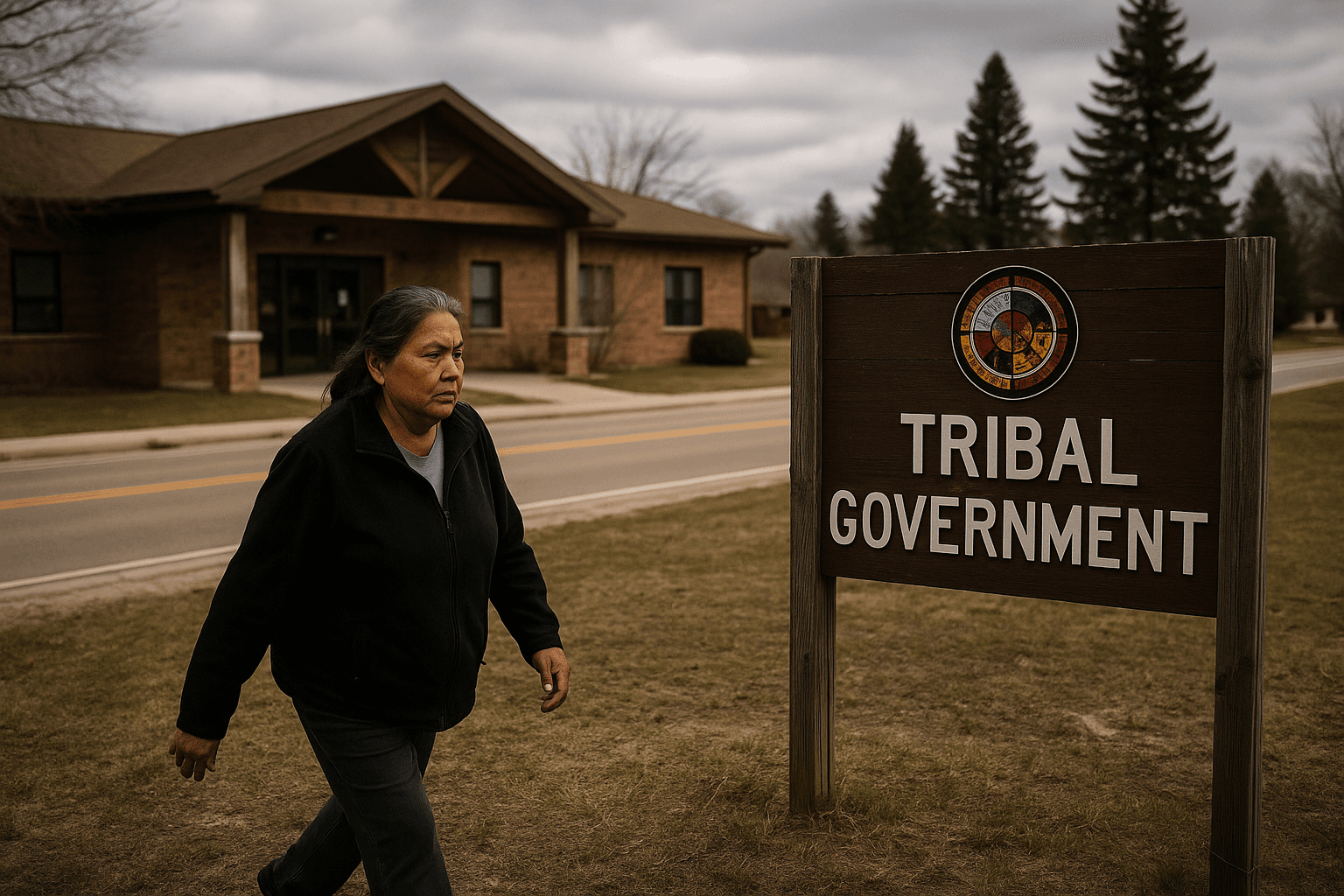
Residents should consult the Menominee Indian Tribe of Wisconsin website, the Menominee Indian School District calendar and local community bulletins for up to date service information, meeting schedules and event notices. For policy makers and institutional leaders, priorities include maintaining reliable public notice procedures, ensuring equitable access to services across Keshena, Neopit and Zoar, and supporting civic engagement pathways that reflect the county’s reservation based governance. Clear information and coordinated institutional responsibility will remain essential for effective local governance and community wellbeing.