King Charles Sees Reduced Cancer Treatment, Urges Early Screening
King Charles III said in a prerecorded message that doctors have told him his cancer treatment schedule can be reduced in the new year, framing the development as a demonstration of the value of early diagnosis. The appeal, broadcast during Channel 4’s Stand Up To Cancer night, is intended to boost screening uptake and sharpen debate about health system capacity and the economics of prevention.
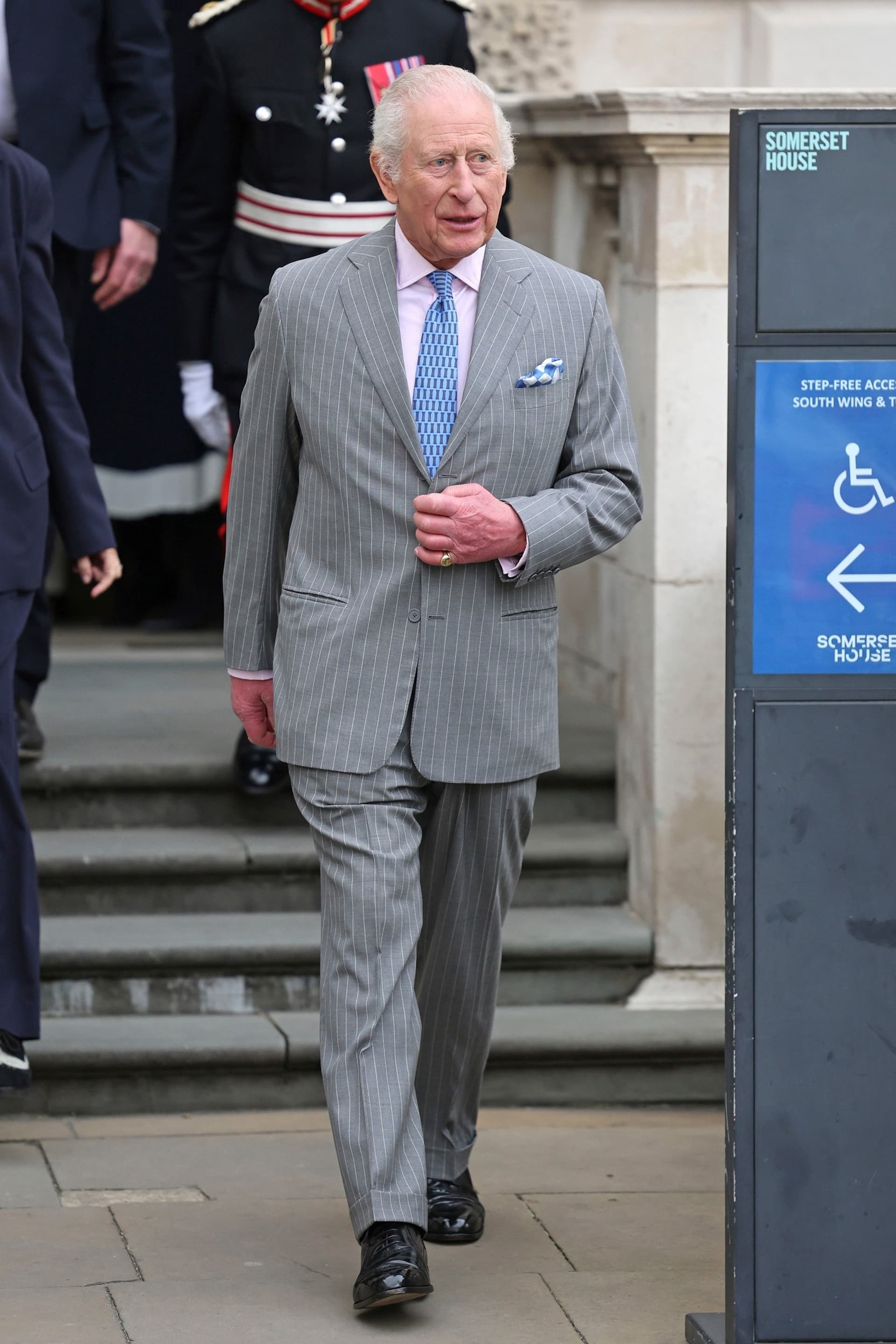
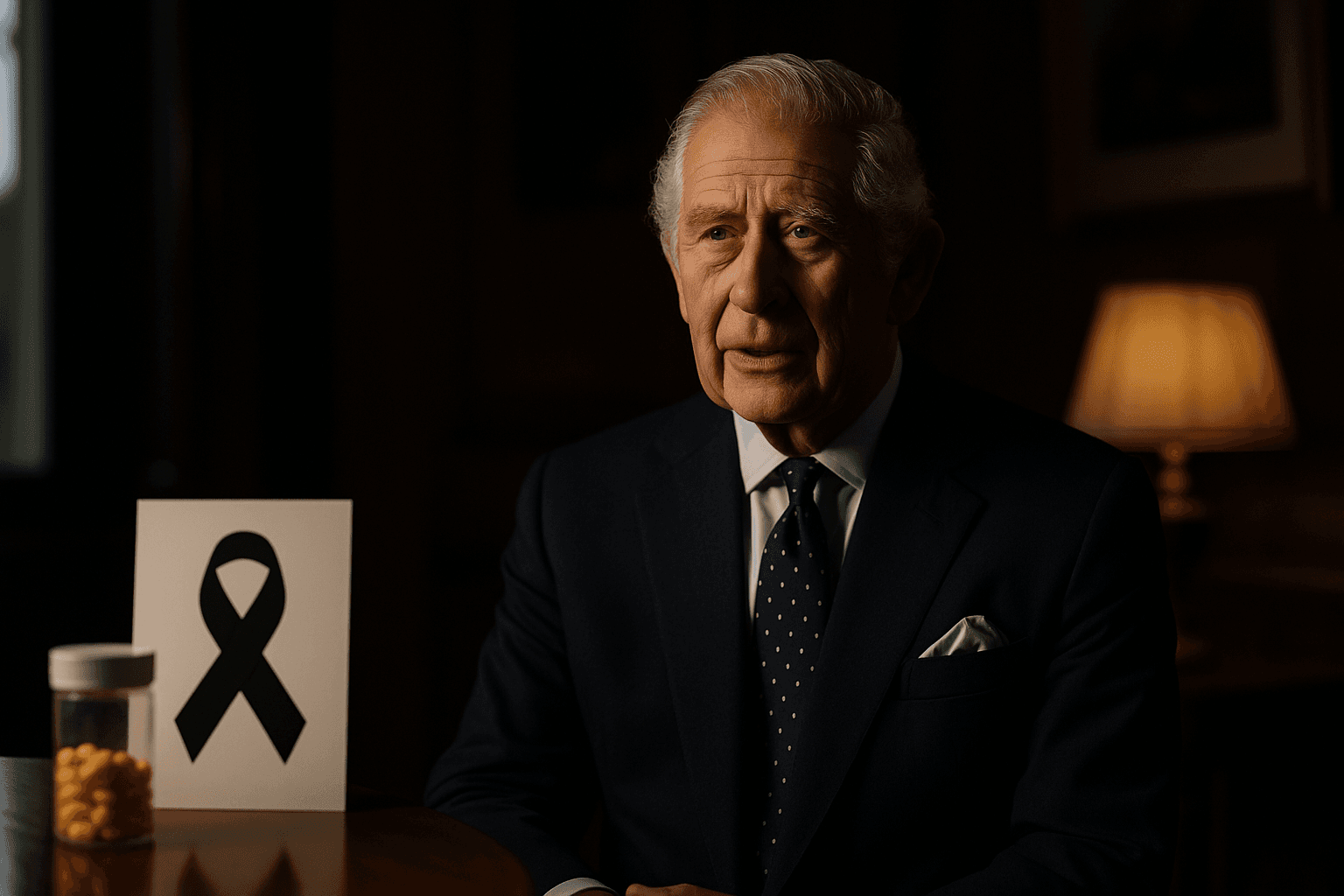
King Charles III, 77, announced in a prerecorded television message that his doctors have told him his cancer treatment schedule can be reduced in the new year. The message was broadcast on Channel 4 on Dec. 12 as part of Stand Up To Cancer, a fundraising and awareness campaign run with Cancer Research UK, and was recorded at Clarence House roughly two weeks earlier in the Morning Room.
The monarch described the development as a "milestone" and "both a personal blessing and a testimony to the remarkable advances that have been made in cancer care." He credited "early diagnosis, effective intervention and adherence to 'doctors' orders'" for the change in his treatment timetable and said that early diagnosis "quite simply saves lives" and had "enabled me to continue leading a full and active life even while undergoing treatment." Buckingham Palace has not disclosed the type of cancer or the details of the treatments he has received. Palace statements and previous reporting place the initial diagnosis in early 2024.
The public appeal from Britain’s head of state comes at a moment when policymakers and health officials are increasingly focused on the economics of prevention. The channeling of a high profile figure into a screening campaign is likely to push short term demand for tests and referrals, a prospect that health services will need to manage. Cancer screening is widely recognized by clinicians and public health authorities as a cost effective tool when delivered efficiently, but expanding uptake can require additional staffing, diagnostic capacity and targeted public outreach.
The broadcast also carries implications for the charity sector and the fundraising landscape. Stand Up To Cancer events and celebrity endorsements have historically raised significant sums for research and patient services, and the king’s involvement is expected to sharpen public attention and charitable giving. At the same time, any surge in screening driven by high profile messages can accentuate bottlenecks in follow up care, a dynamic that may force policymakers to consider short term resource reallocations or targeted investments to avoid diagnostic delays.
Political reaction was immediate. Prime Minister Sir Keir Starmer described the king’s words as a "powerful message" and said he was glad the monarch’s treatment will be reduced in the new year. The intervention aligns with government priorities to improve early detection rates, but raises practical questions about how to translate awareness into sustained improvements in outcomes without overburdening the National Health Service.
Markets in the United Kingdom typically react only briefly to news about senior royals unless the information implies significant constitutional or political disruption. This announcement, framed around treatment tapering and early detection rather than acute illness or incapacity, is less likely to move financial markets in a sustained way. The more consequential economic story is likely to be found in public budgets and health system planning over the coming months, as ministers and health authorities weigh whether to scale up screening, diagnostics and workforce measures to capitalize on the potential gains from earlier detection.
Know something we missed? Have a correction or additional information?
Submit a Tip

