La Grande urban forester retires after 19 years of service
La Grande's urban forester Teresa Gustafson retired Jan. 7 after 19 years, leaving a stronger tree program and a gap in institutional knowledge for residents to watch. This matters for street trees, parks and planting plans.
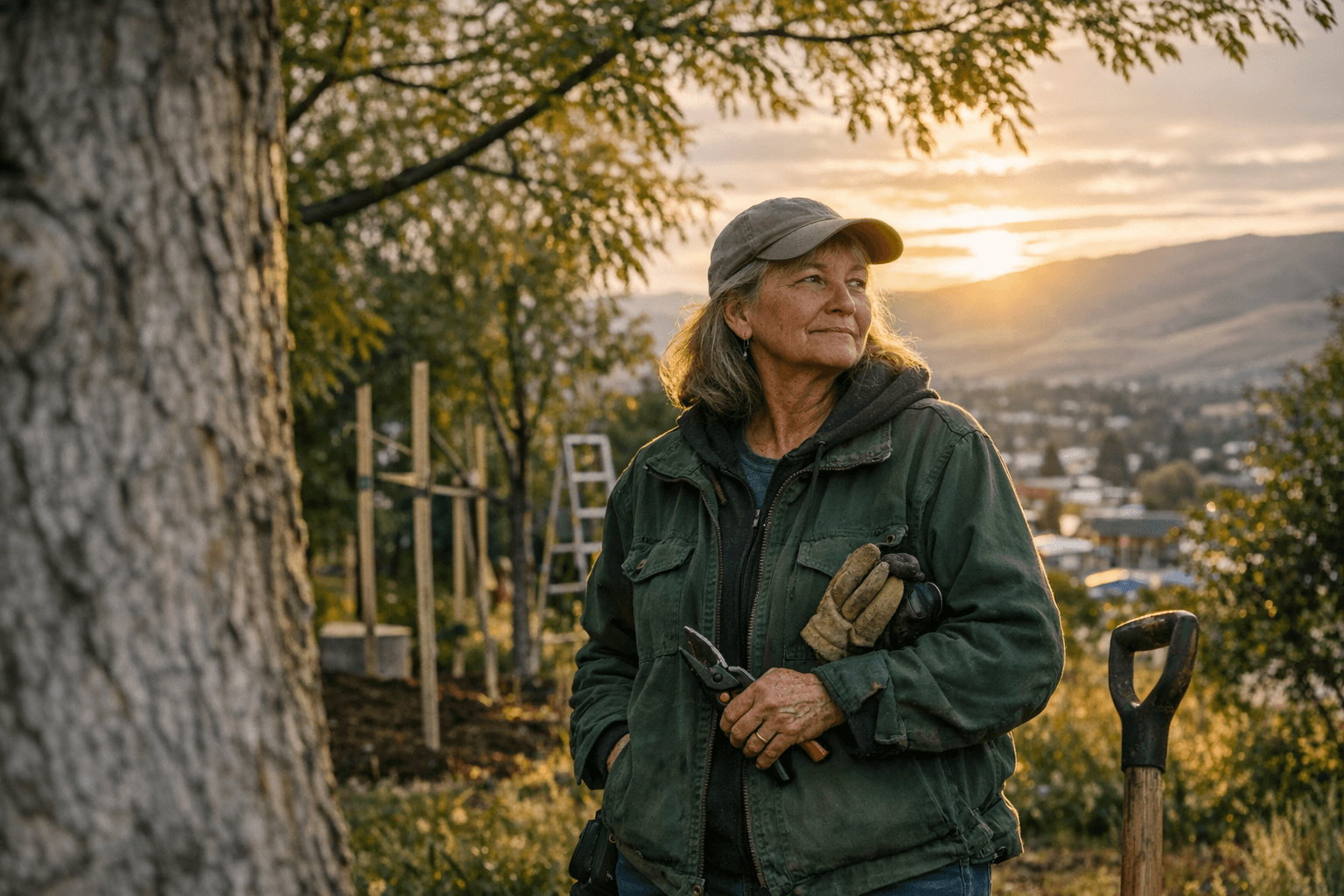
Teresa Gustafson, who spent 19 years with La Grande’s parks and recreation department, retired Jan. 7, closing a chapter in the city’s hands-on stewardship of its trees. Over nearly two decades she expanded a part-time tree-care educator role into a full-time urban forester position, led community education and tree-planting programs, and helped La Grande earn recognition for its urban forestry work. Her departure leaves the city with a record of growth and a short-term management question that matters to residents who walk, play or commute under the city’s canopy.
Gustafson’s work broadened how La Grande approaches public trees. She coordinated plantings in parks and along streets, brought tree-care lessons into schools, and developed outreach that connected volunteers and civic groups to municipal projects. That institutional knowledge extended beyond routine pruning schedules; it included partnerships, planting plans and a public-facing program that taught homeowners how to care for trees on private property adjoining public rights-of-way.
For local residents the implications are practical. Trees in street corridors and parks provide shade, stormwater benefits and contribute to neighborhood character in the Grande Ronde valley. A transition in leadership can slow planned plantings and complicate responses to storm damage or disease until a successor is in place or staff roles are adjusted. Residents who rely on city crews for removals, emergency pruning or planting approvals should expect some reorganization as the parks and recreation department reallocates responsibilities.
City staff and community partners will now be tasked with preserving the continuity Gustafson built. Volunteers who planted saplings through school programs or community events play an outsized role in maintaining that momentum. Neighborhood associations, local schools and civic groups can help by keeping planting records, continuing education workshops and coordinating with the parks department on watering and maintenance schedules.
La Grande’s experience reflects a wider municipal trend: smaller cities increasingly professionalize urban forestry to sustain canopy health and public safety. That work is both technical and relational, relying on municipal staff who can navigate budgets, contractors and community volunteers. Replacing long-tenured staff requires not only hiring but also documenting practices and training others to steward relationships that keep planting programs thriving.
Our two cents? Keep an eye on council and parks meetings, offer to help with neighborhood plantings, and report street-tree issues to the parks and recreation department so work doesn’t fall through the cracks. Sustaining the canopy is a community effort, and your phone call or volunteer hour can make La Grande’s next chapter in urban forestry a smooth one.
Sources:
Know something we missed? Have a correction or additional information?
Submit a Tip