Lambert High Scientists Spotlighted on 60 Minutes, Inspire Forsyth County
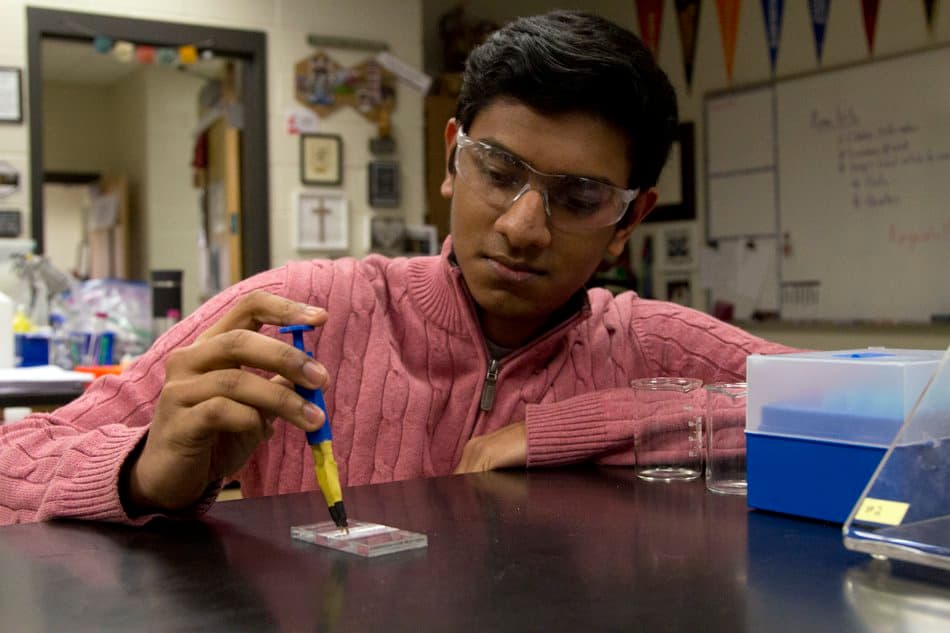
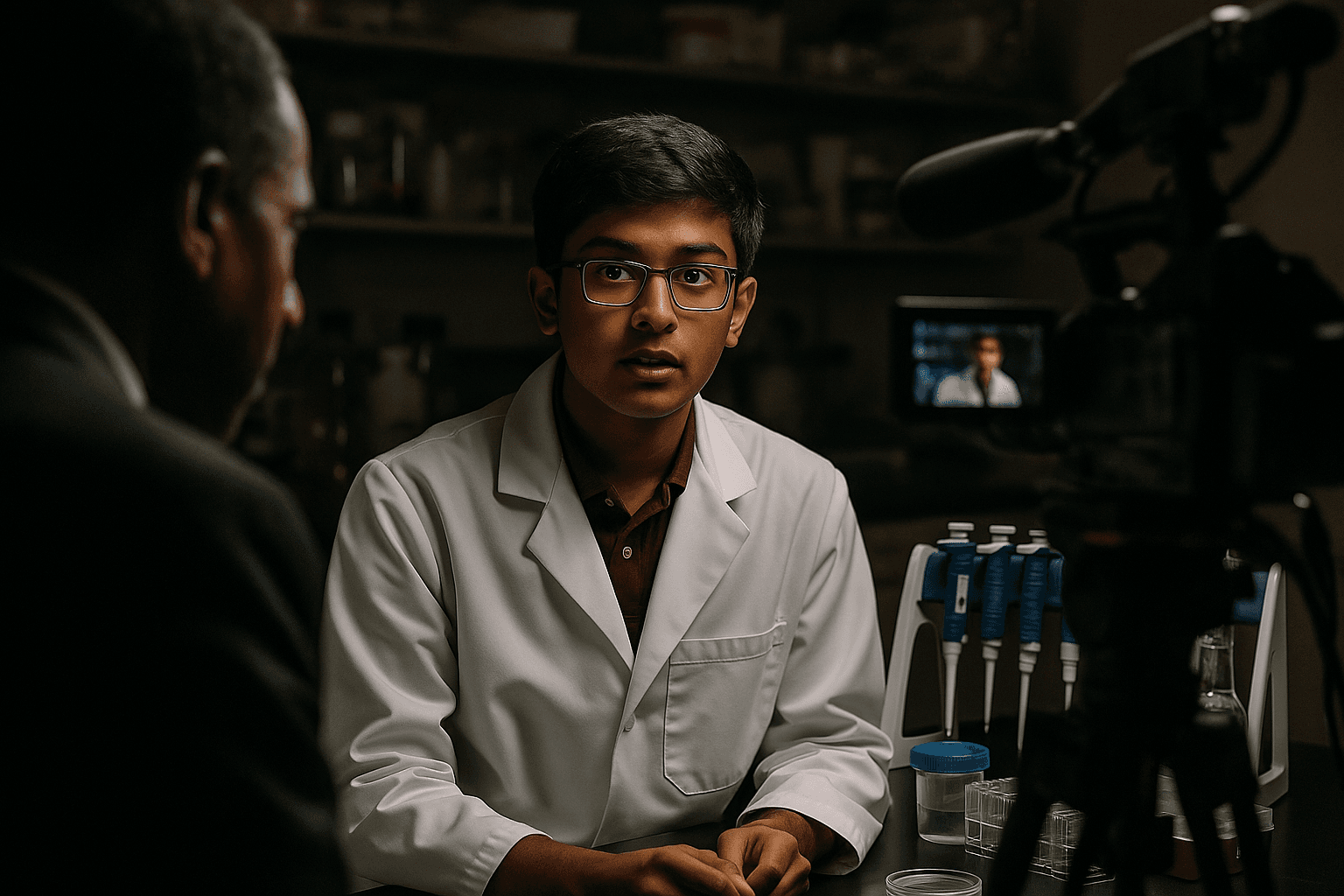
A 60 Minutes segment that followed Lambert High School students and their synthetic biology team drew national attention when correspondent Bill Whitaker spent two days in Forsyth County and three days in Paris chronicling the team’s iGEM project and top 10 finish. The broadcast has translated into new local interest and support for STEM education, raising questions about school funding, workforce development, and governance of advanced science programs.

On December 5, 2025 a national television feature focused attention on Lambert High School and on Forsyth County when 60 Minutes chronicled the journey of the school’s iGEM team. Correspondent Bill Whitaker spent two days in Forsyth County and three days in Paris to report on the students’ synthetic biology project and their top 10 finish at the international iGEM competition. The segment elevated a local academic achievement into a topic of national conversation and prompted an immediate wave of local reaction and support.
The immediate impact in Forsyth County has been practical and symbolic. School administrators reported heightened inquiries from parents and prospective students about science electives and laboratory opportunities. Local volunteers, alumni and small employers have offered mentorship and access to equipment, and school leaders are discussing whether to expand laboratory time and competitive team budgets to sustain the momentum. The broadcast put a premium on human capital formation, illustrating how a single high profile story can mobilize community resources and change expectations for public education investment.
Beyond the classroom the piece has implications for the local economy. A stronger pipeline of students trained in biology, data analysis and lab methods increases Forsyth County’s appeal to biotech employers and research partnerships with nearby universities. Those relationships can influence future local wage growth and employment composition, as well as demand for laboratory infrastructure and commercial leases. At the same time synthetic biology raises governance questions about lab safety, curriculum oversight and ethical review that local school boards will need to address as programs scale.
Long term the episode fits a wider trend of regional competition for STEM talent. For local policymakers the choice is whether to convert a burst of national attention into durable capacity through targeted funding, public private partnerships and clear safety protocols. For families and students it demonstrates tangible returns from experience based science education, not just in college applications but in community recognition and career pathways. The challenge for Forsyth County is to translate this national spotlight into sustained investment that broadens opportunity and manages the responsibilities of advanced science education.