Lane Community College Board Delays Approval of Eight Million Dollar Cuts
The Lane Community College Board of Education voted Wednesday to delay final approval of a plan to cut eight million dollars from the college budget over the next three years, while allowing administrators to continue refining the proposal. The decision matters to Lane County residents because the reductions are intended to preserve a 10 percent fund balance, and could affect student services, workforce training, and access to health career pathways.

The Lane Community College Board of Education on December 3 declined to approve a proposed three year plan that would trim eight million dollars from the college budget, citing a need for more time to analyze trade offs and impacts. Administrators were given permission to continue developing the details, and the board scheduled consideration of the plan for its January meeting.
College finance leaders Kara Flath and Jonathon Campbell presented the proposal, which stems from a board policy that requires maintaining an ending fund balance equal to 10 percent of the general fund. Flath and Campbell warned that without adjustments the ending balance would fall to 5.03 percent by the end of fiscal year 2029. The plan lays out reductions totaling three million dollars in the 2026 27 budget year, followed by two point five million dollars in each of the two subsequent years. The proposal did not include specific recommendations about where cuts would come from, which prompted concern from some board members and contributed to the decision to delay final approval.
The lack of detailed trade offs raises immediate questions for students and Lane County residents who rely on the college for career training, continuing education, and support services. Community colleges are a key pipeline for local healthcare staff, allied health technicians, and other essential workers. Reductions in program capacity or student supports may slow credential completion, narrow pathways into health careers, and put additional strain on an already stretched regional care system. Students who are low income, first generation, or from historically underserved communities are likely to feel disproportionate impacts if services such as advising, tutoring, childcare, or mental health support are reduced.
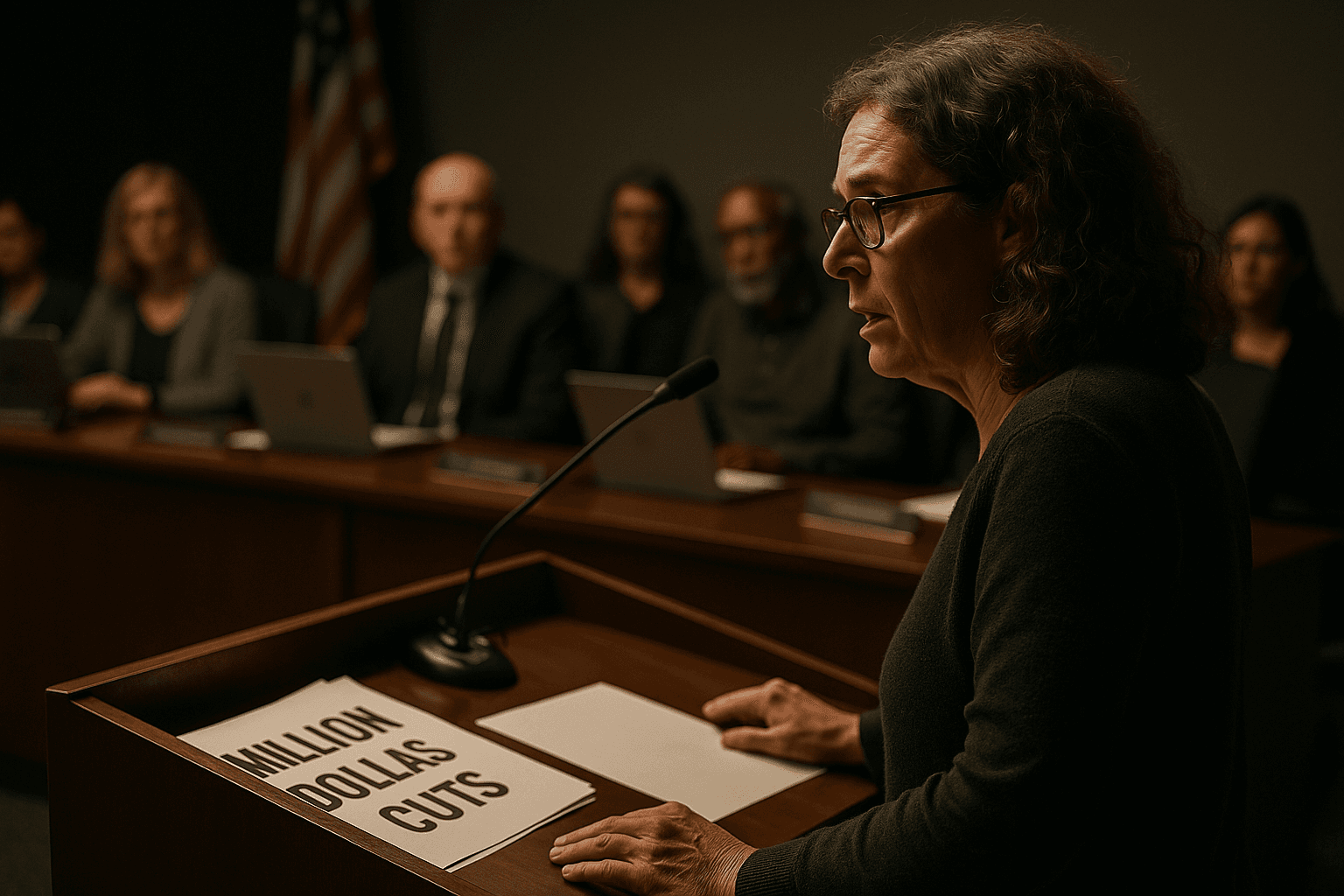
The board granted administrators time to refine the plan as the campus and community await clearer proposals that identify specific programmatic and operational adjustments. The decision moves the deliberation to January, giving faculty, staff, students, and community partners an opportunity to review proposed trade offs and to raise concerns about public health implications, workforce development, and equity. Local residents who are invested in the college s role in Lane County will watch closely as administrators produce the details that will shape both fiscal stability and the college s commitment to serving vulnerable populations.