Lane Reductions on Robinson Avenue Impact Commute, City Encourages Caution
Robinson Avenue and South Robinson Avenue were reduced to one lane between 9:00 a.m. and 3:00 p.m. on December 11 and December 12, 2025 because of work tied to the Broadway Pedestrian and Traffic Signal Improvement Project. The short term closures aimed to advance pedestrian safety and signal upgrades, and residents are advised to follow posted controls and contact the City Engineering Department for updates.

City crews carrying out the Broadway Pedestrian and Traffic Signal Improvement Project narrowed traffic to a single lane on Robinson Avenue and South Robinson Avenue during daytime hours on December 11 and December 12, 2025. The lane reductions occurred between 9:00 a.m. and 3:00 p.m. each day and were implemented to allow construction activities within the roadway and adjacent sidewalks. Work schedules were noted as dependent on weather and subject to adjustment based on field conditions.
Motorists and pedestrians traveling through the work zone were directed to follow posted traffic control devices, signage, cones, and flagging personnel to ensure safety and maintain traffic flow. Reduced lanes during daytime hours can lengthen travel times for commuters, affect deliveries and transit schedules, and complicate access for nearby businesses and services. The City of Newburgh asked for public patience while crews completed the targeted work.
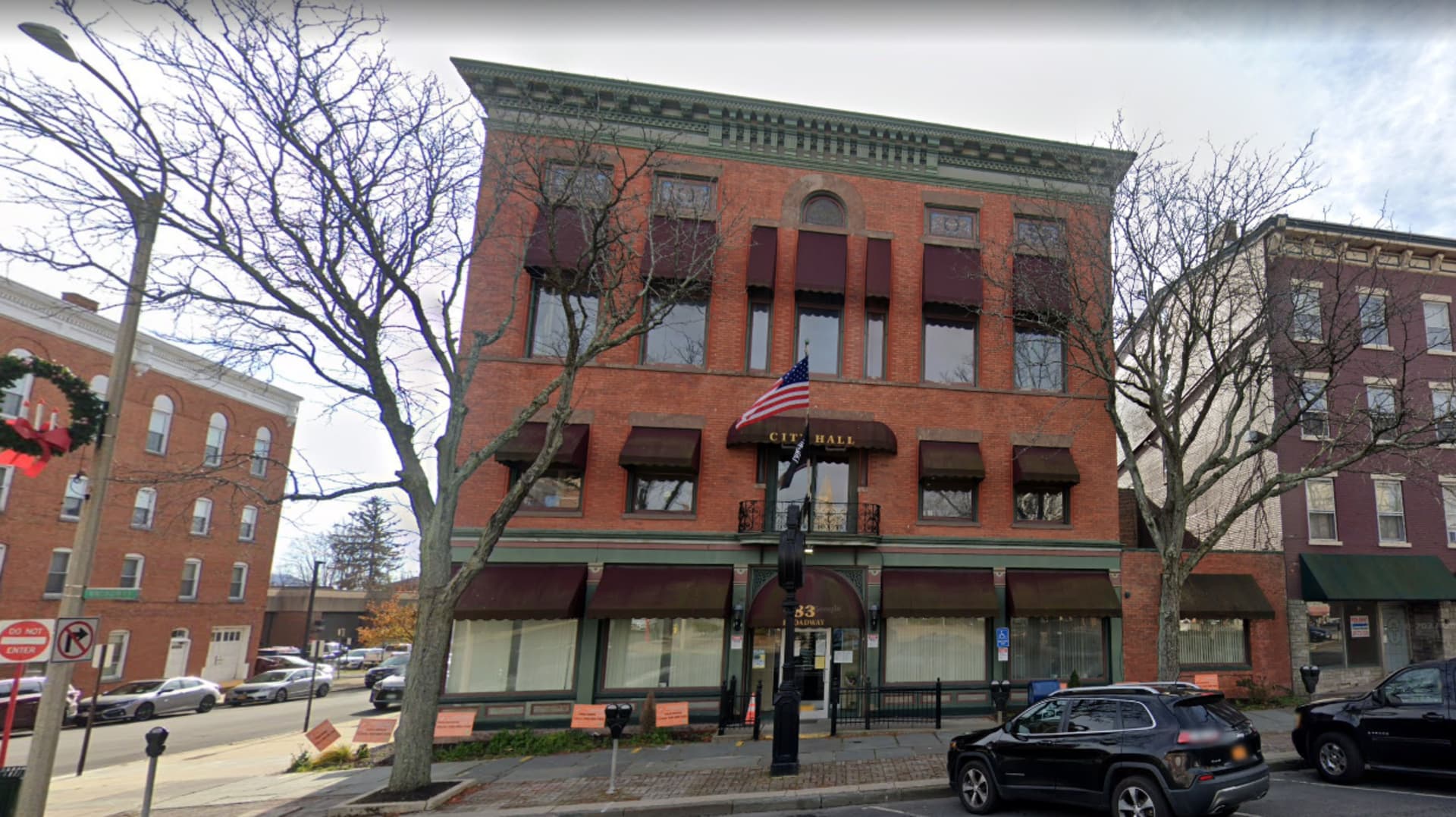
The project is administered by the City of Newburgh Engineering Department, which is the point of contact for status updates and scheduling questions. Residents seeking more information can call the City of Newburgh Engineering Department at 845 569 7447 or visit the city’s civic alerts page at https://www.cityofnewburgh-ny.gov/CivicAlerts.aspx?AID=1492. Clear communication from municipal departments is critical when temporary traffic controls are imposed, and timely updates help commuters plan alternative routes and minimize disruption.

Infrastructure projects of this type have broader policy implications for municipal budgeting, road safety planning, and civic confidence in project delivery. Upgrades to pedestrian crossings and traffic signals are intended to improve safety for people walking and driving, but the short term disruptions require coordination among city agencies, local businesses, and residents. Voters and community members who prioritize mobility and downtown investment will track how these projects are executed and whether schedules, costs, and safety goals are met.
For now, commuters and pedestrians should expect similar targeted work as the city advances its Broadway improvement program, and they should verify daily conditions with the Engineering Department before travel. The city indicated appreciation for public cooperation while crews complete the needed upgrades.
Sources:
Know something we missed? Have a correction or additional information?
Submit a Tip