Lantronix unveils turnkey Drone Reference Platform to speed onboard AI
Lantronix debuted a turnkey Drone Reference Platform at CES that packages high-performance compute, sensors and Pixhawk flight control; it could accelerate hobby autonomy and FPV upgrades.
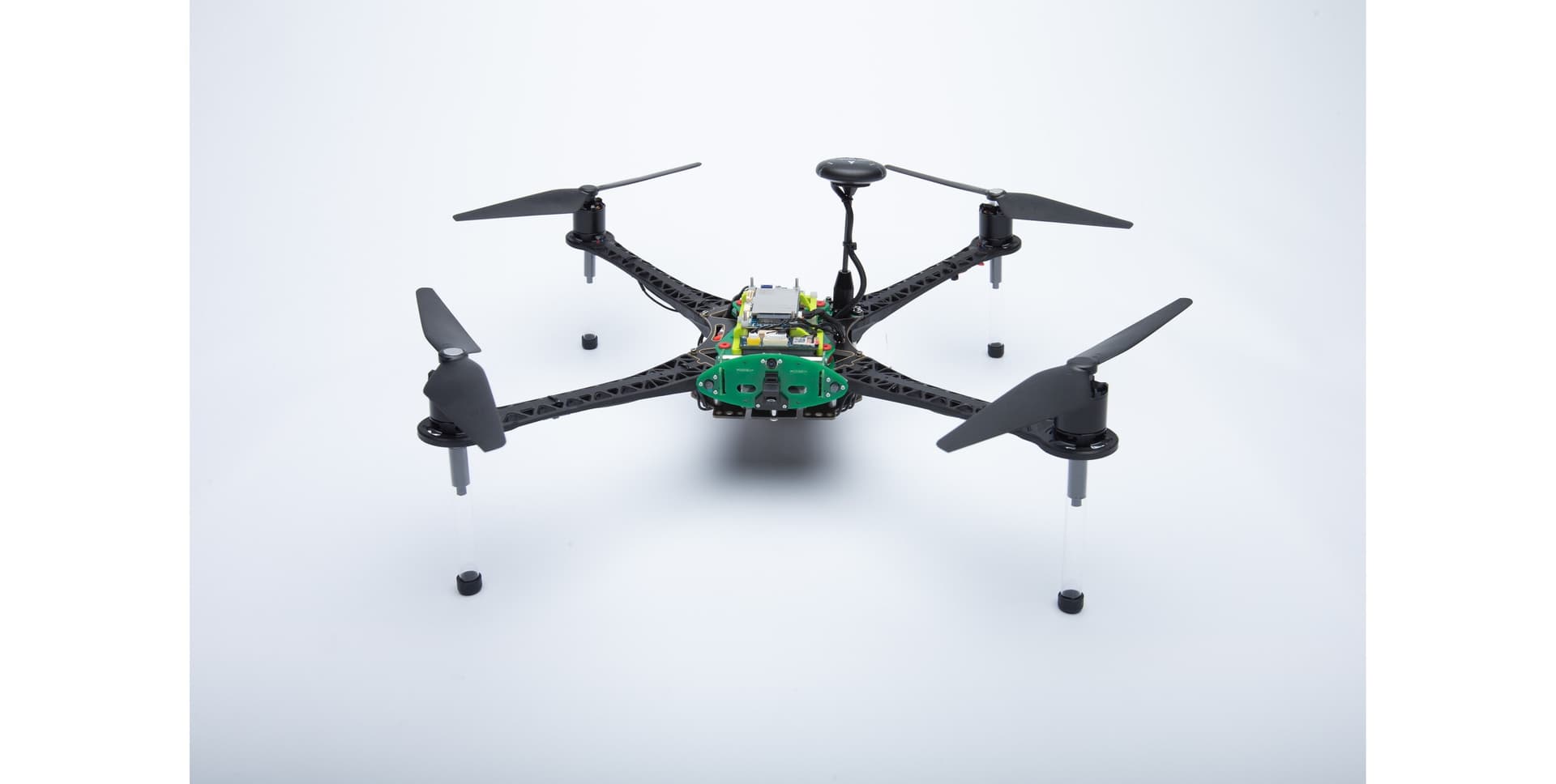
Lantronix unveiled a turnkey Drone Reference Platform at CES, delivering a preintegrated stack of compute, sensors and flight control aimed at reducing OEM development time. The kit centers on the Open-Q 8550 µSOM built around the Qualcomm Dragonwing QCS8550, supports Ubuntu and Yocto, and brings validated sensors together with Pixhawk plus PX4 flight-control integration. Lantronix offered private demos beginning Jan. 5 and positioned the platform for mission-critical UAV uses with NDAA- and TAA-compliant hardware and native FLIR Hadron 640 thermal/RGB payload support.
What matters to the drone racing and FPV community is not just the OEM pitch but the technology pathway this kit creates. High-performance edge compute combined with validated sensor suites and an open flight stack shortens the engineering gap for on-board perception, obstacle avoidance and compact AI processing. That accelerates the timeline for hobbyists and small teams to test advanced autonomy modules, real-time vision pipelines and thermal payload uses without building integration from scratch.
Technical specifics matter for builders. The Open-Q 8550 µSOM brings console-class neural processing capabilities onto a small module, and support for Ubuntu and Yocto gives software flexibility for both off-the-shelf ROS-based stacks and custom embedded images. Pixhawk plus PX4 compatibility means the platform plugs into a widely used flight-control ecosystem, lowering software integration friction for those already running mission controllers or building custom firmware. Native support for the FLIR Hadron 640 also opens thermal/RGB fusion workflows useful in search-and-rescue, inspections and nighttime flying experiments.
Practical implications for hobbyists: expect accelerated access to compact AI inference on board, but plan for the usual trade-offs. High-end compute modules add weight, thermal and power considerations, and integration still requires attention to wiring, vibration isolation and sensor calibration. The platform’s software support for Ubuntu or Yocto is a boon for developers who want to run containerized vision stacks or compile PX4-compatible drivers without starting from scratch.

“Lantronix introduces a fully integrated compute, sensing and flight control platform designed to shorten OEM time to market, debuting at CES 2026.”
Our two cents? Treat this as a signal that edge AI is moving into ready-made modules rather than hobbyist breadboarding. If you tinker with autonomy or want onboard thermal imaging, start sketching companion-computer workflows, pay attention to power budgets and heat management, and watch for developer kits becoming available — they’ll be your fastest route from proof-of-concept to a race-ready or mission-capable quad.
Sources:
Know something we missed? Have a correction or additional information?
Submit a Tip