Lawmakers Alarmed After Video Shows Follow Up Attack at Sea, Sparks Legal Scrutiny
A leaked and briefed video shown to Capitol Hill lawmakers intensified questions about U.S. strikes on small vessels in Caribbean and Eastern Pacific waters, after footage suggested survivors from an initial strike were later hit in a separate attack. The incident has prompted bipartisan demands for unedited video and written orders, and revived debate over the legal limits of U.S. maritime strike authority and obligations to shipwrecked or wounded persons.
Lawmakers were briefed and shown leaked footage on December 5 that appeared to document a two stage U.S. maritime operation against a small vessel in Caribbean eastern Pacific waters, prompting immediate alarm and urgent questions about the conduct of American forces. The video, circulated in closed briefings on Capitol Hill, suggested survivors of an initial strike were later killed in a separate follow up attack. Military officials who briefed lawmakers defended the second strike as lawful, asserting those aboard the vessel continued to pose an ongoing threat or were attempting to resume illicit activity.
The episode has reopened a fraught debate in Congress and among legal experts about rules of engagement and the treatment of shipwrecked or wounded persons under the law of armed conflict. Bipartisan groups of House and Senate members pressed the Pentagon for the release of unedited footage and any written orders that authorized the strikes, arguing transparency is essential to determine whether operations complied with U.S. policy and international law.
The Pentagon and U.S. Southern Command issued statements describing the operations as part of a broader campaign to disrupt narcotics trafficking and identifying organizations they say were targeted. They defended the mission as an effort to interdict networks that exploit maritime routes to supply illegal drugs. Critics including independent legal scholars and some former military officials countered that the strikes risked unlawful killings and underscored the need for clearer congressional oversight of kinetic maritime actions conducted under the Defense Secretary’s strike authority.
At the center of the controversy are legal questions that have grown sharper as maritime interdictions have expanded beyond classic naval boarding operations into the use of precision strikes against small, often unarmored craft. International humanitarian law treats shipwrecked and wounded persons as protected, raising the difficult question of when, if ever, a person rendered incapable of fighting or rescued from the water can be treated as a lawful target. The scope of the Defense Secretary’s authority to order strikes without express congressional authorization for kinetic operations far from declared theaters of war is also under renewed scrutiny.
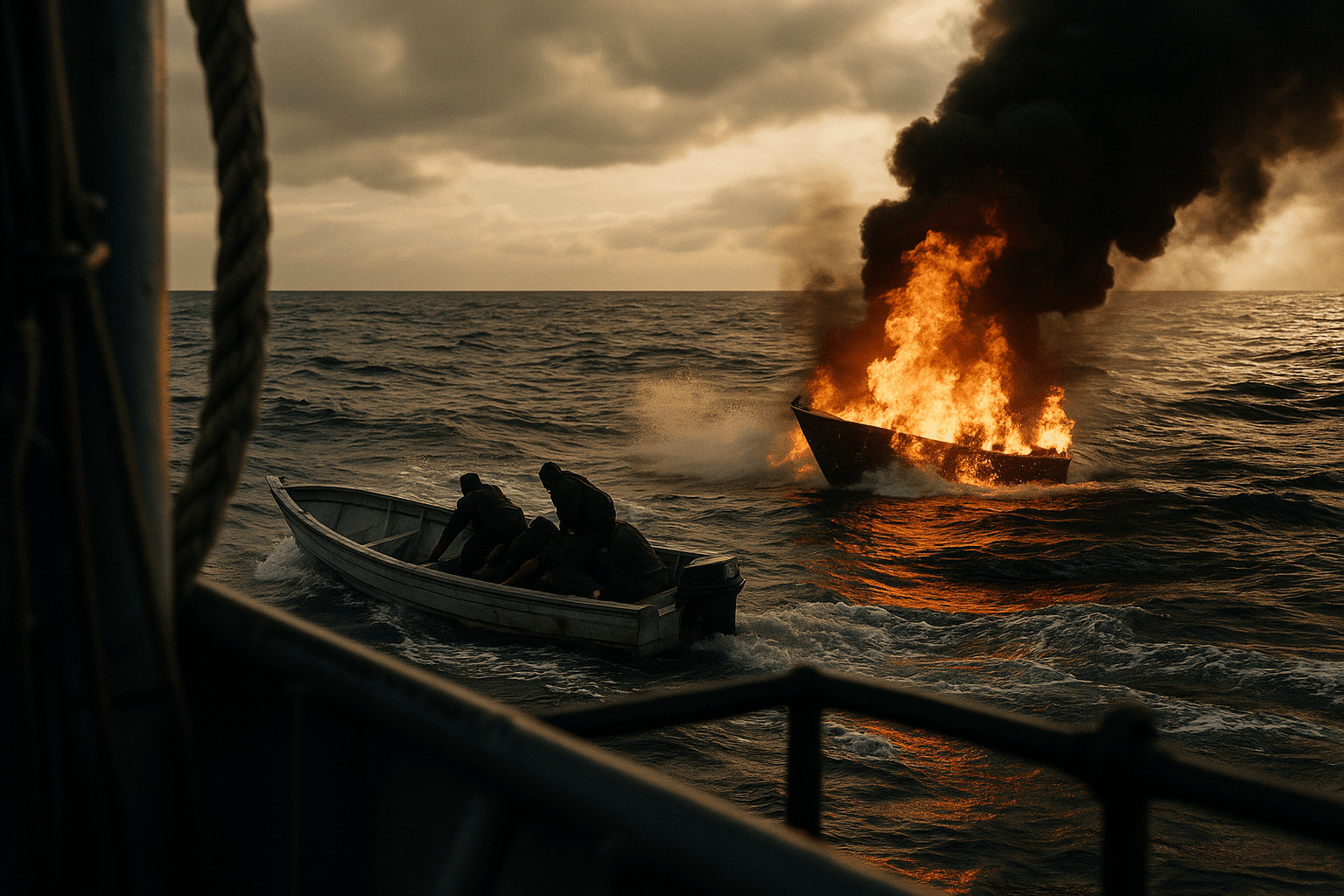
The episode carries diplomatic implications for regional partners in the Caribbean and eastern Pacific who have long cooperated with U.S. counternarcotics efforts yet remain wary of unilateral use of force in their maritime approaches. Legal and human rights organizations have signaled they will press for full documentation, arguing that release of unedited video and written orders is necessary for independent assessment.
In Washington the immediate fallout is likely to focus on oversight. Lawmakers demanded prompt access to all material relating to the strikes and signaled hearings could follow. How the Pentagon balances its operational secrecy claims with mounting political and legal pressure will shape not only congressional debate but also regional perceptions of U.S. conduct at sea and the robustness of protections for noncombatants in maritime law enforcement operations.